Launch Your Own Funding Platform Today

Top Futures Prop Firms with
Ultimate Flexibility

Your complete resource for futures prop trading. Explore 54+ expert guides on funded accounts, trading challenges, and building your own prop firm.

Verified Prop Firms
Secure Funded Accounts
Unbiased Expert Reviews
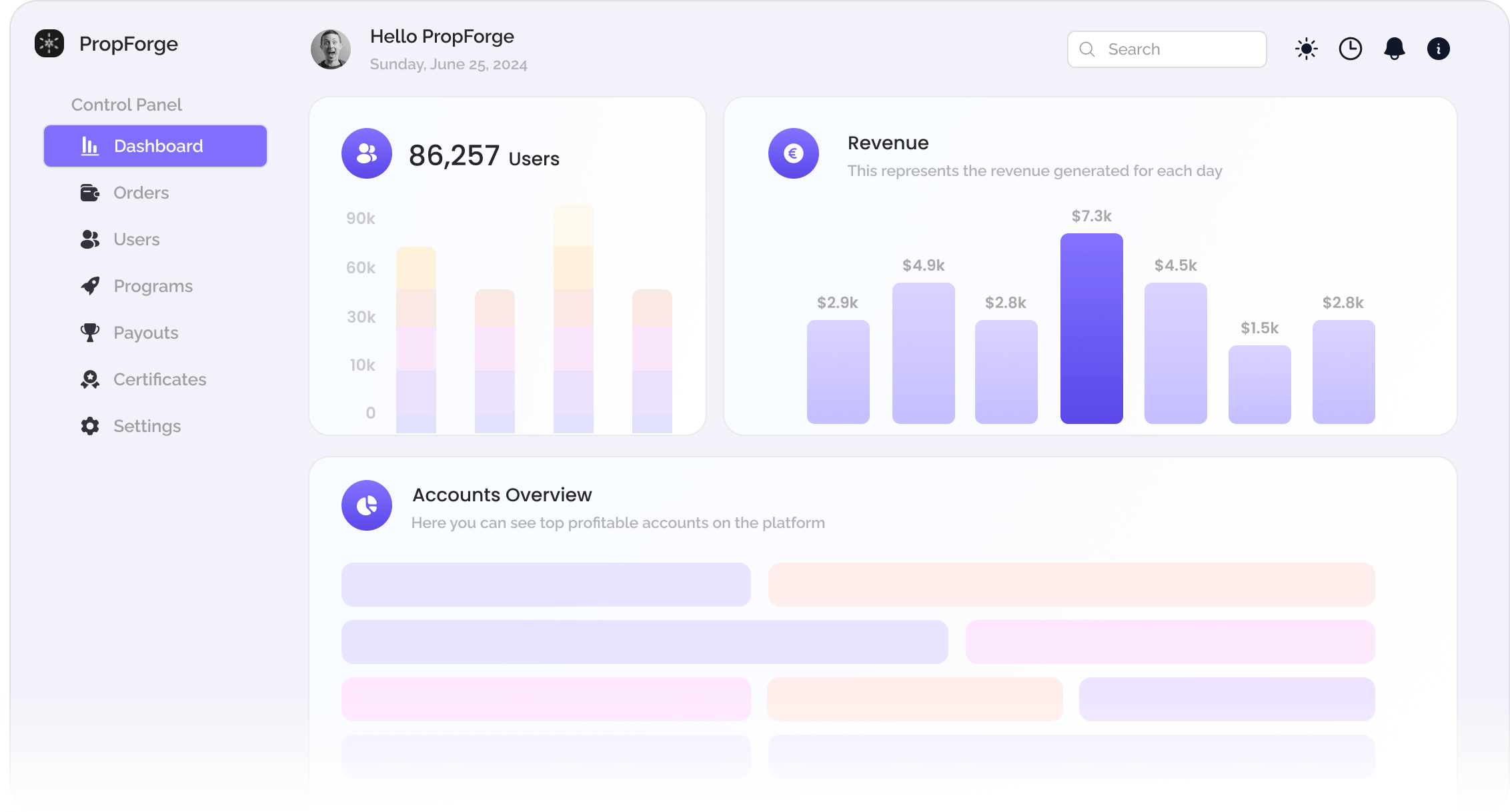
futurespropfirm.net/dashboard
Prop Trading Dashboard
Our Business Integrations
MetaTrader 4MetaTrader 4
MetaTrader 5MetaTrader 5
TradeLockerTradeLocker
WooCommerceWooCommerce
SumSubSumSub
VeriffVeriff
RiseRise
BridgerBridger
MetaTrader 4MetaTrader 4
MetaTrader 5MetaTrader 5
TradeLockerTradeLocker
WooCommerceWooCommerce
SumSubSumSub
VeriffVeriff
RiseRise
BridgerBridger
Platform Capabilities

Everything You Need for Prop Trading Success

From evaluation programs to funded accounts — we cover the complete landscape of futures proprietary trading.

Onboarding

Expert Evaluations

In-depth reviews of trading challenge structures, profit targets, drawdown rules, and evaluation periods across all major futures prop firms.

Configuration

Futures vs Crypto vs Forex

Head-to-head comparisons of futures, crypto, and forex prop trading — covering market structure, risk, evaluations, and payout differences.

Launch

Launch Your Own Firm

Complete guide from concept to launch — business models, white-label solutions, evaluation design, revenue structures, and scaling strategies.

Payout Management

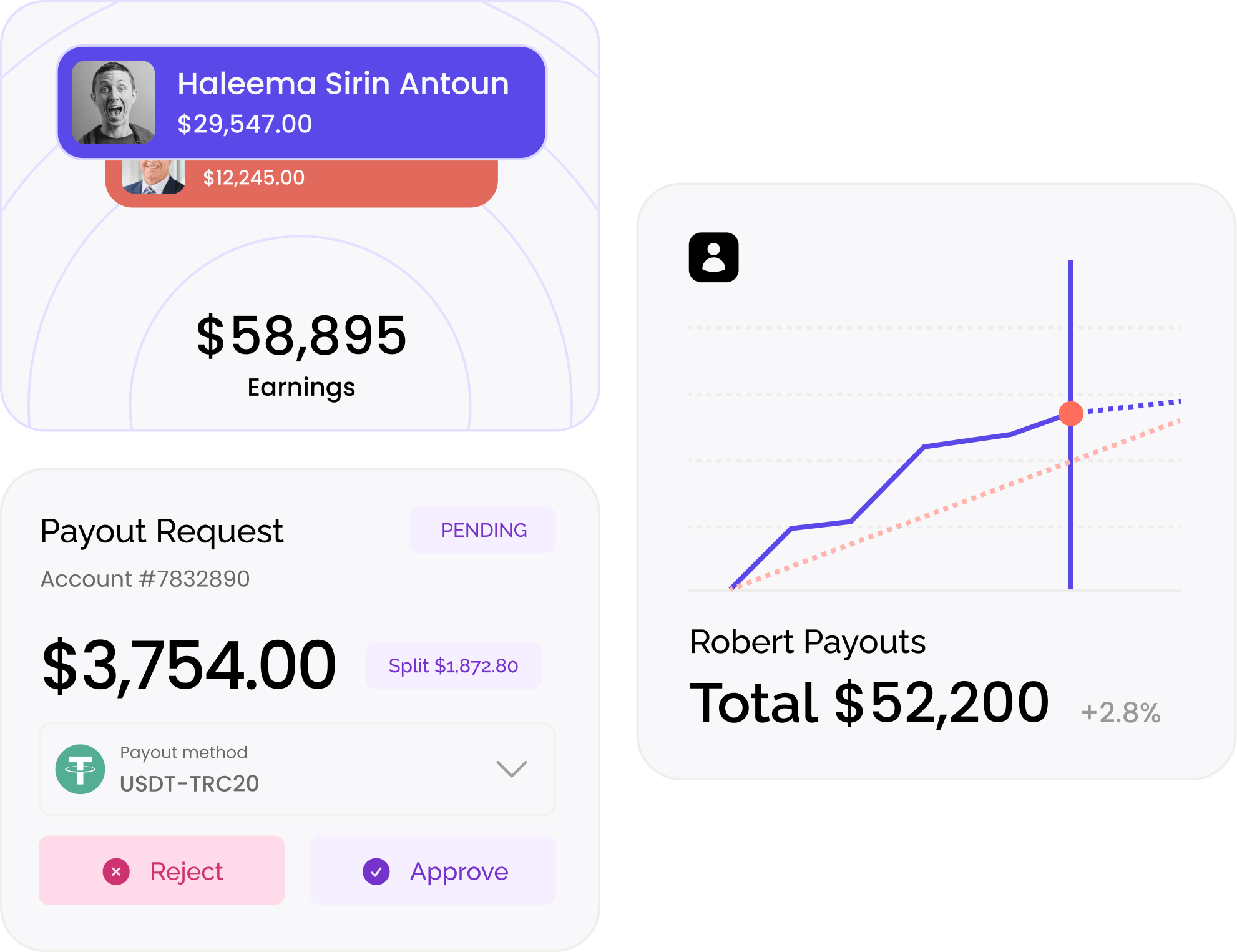
Advanced Payout Management System

  • Comprehensive payout workflow from request to payment processing
  • Multiple currency support with instant status tracking
  • Integrated RiseWorks and payment provider compatibility
  • Real-time payout analytics and reporting dashboard
  • Automated approval flows and trader notifications
Explore Guides
Payout Management Dashboard
KYC & Compliance

Effortless & Secure KYC Verification

  • Identity verification and document authentication flows
  • Real-time verification status updates for traders
  • Veriff and SumSub integration for seamless compliance
  • Automated KYC approval and rejection workflows
  • Full audit trail and regulatory reporting support

Learn More
KYC Verification System
54+
Expert Guides Published
200+
Prop Firms Analyzed
10+
Topic Categories
Analytics & Insights

Deep Trading Analytics & Reporting

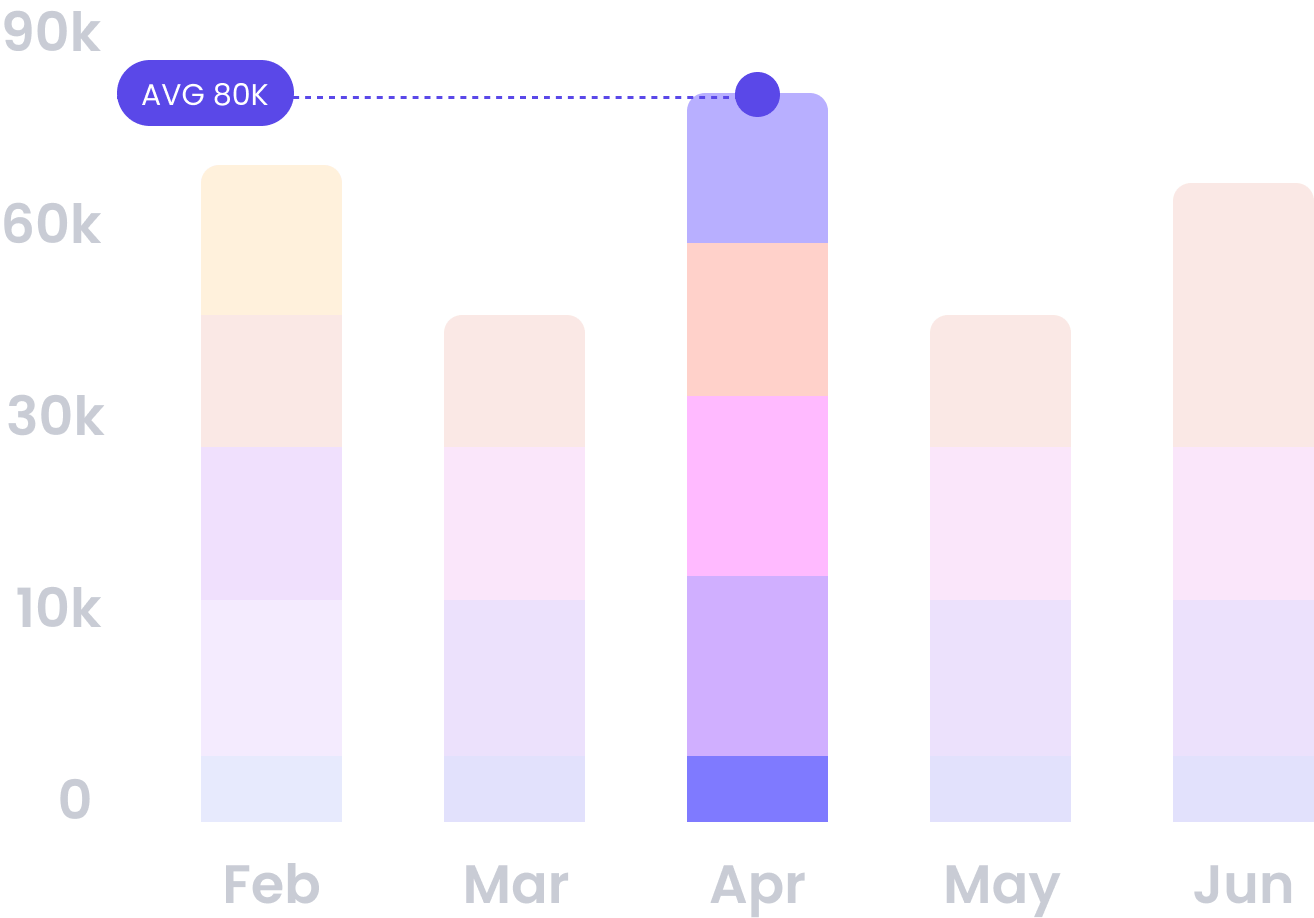
Comprehensive coverage of platform analytics, trader performance metrics, and reporting tools.
Scalable Solutions

Scalable Solutions for Every Prop Trading Vision

Whether you're a trader seeking funded capital or an entrepreneur building your own firm — we have the guides you need.

FAQ

Frequently Asked Questions

What is a futures prop firm?
A futures prop firm (proprietary trading firm) provides traders with funded capital to trade futures markets. Traders typically pass a evaluation challenge before receiving a funded account. In exchange, they share a portion of their profits with the firm.
How do I choose the best futures prop firm?
Consider the profit split percentage, account size options, drawdown rules, payout reliability, trading platforms supported, and the firm's track record. Our expert reviews cover all these factors in detail for every major futures prop firm.
What are typical profit splits at futures prop firms?
Most futures prop firms offer profit splits ranging from 70% to 90% in favor of the trader. Some firms offer scaling programs where your split improves as you demonstrate consistent profitability. Always verify the exact terms before joining.
Can I start my own futures prop firm?
Yes! Our guides cover the complete process of starting a prop trading firm — from choosing the right technology platform, setting up payment systems, handling KYC compliance, to marketing your challenge programs. Browse our "Start a Prop Firm" category for step-by-step guidance.
What trading platforms do futures prop firms support?
The most common platforms at futures prop firms are NinjaTrader, Rithmic, TradeStation, and TopStep. Some newer firms offer proprietary web-based platforms. Our reviews include detailed platform compatibility information for each firm.
Are futures prop firms regulated?
The regulatory landscape for futures prop firms varies. Some operate under CFTC/NFA registration while others use proprietary models that don't require the same oversight. Always review a firm's legal structure and disclaimers carefully before participating in any funded program.

Start Your Prop Trading Journey.
Expert, Fast & Simple.

Access 54+ expert guides on futures prop trading, funded accounts, and building your own prop firm.

About Futures Prop Firm

Your Prop Trading Knowledge Hub

Everything you need to know about futures prop trading — platforms, risk management, profit sharing, and the technology driving this fast-growing segment.

What Are Futures Prop Firms?
Essentials

Futures prop firms provide traders with funded accounts to trade futures contracts — from E-mini S&P 500 and Nasdaq to crude oil, gold, and agricultural commodities. Unlike forex prop firms, futures operations require connectivity to regulated exchanges like CME, NYMEX, and ICE.

The evaluation model is similar: pass a simulated challenge demonstrating consistent profitability within risk parameters, then receive a funded account with profit-sharing typically ranging from 80/20 to 90/10 in the trader's favor.

How Futures Evaluations Differ

Futures challenges tend to have tighter risk parameters than forex equivalents. Daily loss limits of $1,000-$2,500 on a $50,000 account (2-5%) are standard, with trailing drawdowns that ratchet as your account grows. Profit targets range from $3,000-$6,000 depending on account size.

Account SizeProfit TargetMax DrawdownDaily Loss LimitChallenge Fee
$25,000$1,500$1,500$500$150-200
$50,000$3,000$2,500$1,000$250-350
$100,000$6,000$3,500$2,000$400-550
$150,000$9,000$5,000$2,500$550-700
$250,000$15,000$6,500$3,500$800-1,100
Key Difference

Futures contracts have standardized sizes and tick values set by exchanges. An E-mini S&P 500 contract has a $50/point value — one bad trade can hit daily loss limits faster than in forex where position sizing is more granular.

Challenge parameters based on publicly listed rules from Apex Trader Funding, Topstep, and similar firms as of Q1 2026.
Futures trading terminal with order flow visualization
Trading Platforms & Exchange Connectivity
Technology

Futures prop trading requires direct exchange connectivity, making the technology stack fundamentally different from forex operations. The two dominant data/execution providers are Rithmic and CQG, each connecting to CME Group, ICE, and other regulated exchanges.

Rithmic vs. CQG

FeatureRithmicCQG
Latency~0.5ms to CME~1.2ms to CME
Market DataTick-by-tick nativeAggregated + tick
Platform SupportNinjaTrader, QuantowerSierra Chart, MultiCharts
Cost per Account$25-40/month$20-35/month
API QualityExcellent, C++/C#Good, FIX protocol

Front-End Platforms

NinjaTrader dominates the futures prop space with approximately 55% market share among funded traders. Its combination of advanced charting, strategy backtesting, and direct Rithmic/CQG integration makes it the default choice. Alternatives include Quantower (growing fast, especially in Europe), Sierra Chart (favored by order flow traders), and TradingView (increasingly popular for analysis, though execution connectivity varies).

Platform Choice

If you are launching a futures prop firm, NinjaTrader + Rithmic is the safest starting combination. It covers the majority of your target market and has the most mature integration ecosystem.

Risk Management for Futures Operations
Risk Control

Futures risk management is more complex than forex because of contract specifications, margin requirements, and exchange-mandated rules. A solid risk engine must understand tick values, contract multipliers, and margin maintenance levels across dozens of instruments.

Trailing Drawdown Mechanics

Most futures prop firms use an end-of-day (EOD) trailing drawdown rather than real-time trailing. This means the drawdown floor only adjusts at the close of each trading day based on the highest closing balance — not on intraday equity peaks. This distinction matters enormously for traders using scalping or day-trading strategies.

Common Misunderstanding

Some firms advertise 'trailing drawdown' without specifying whether it trails intraday or EOD. Always confirm the exact mechanics before purchasing an evaluation — the difference can mean passing or failing on the same trading results.

Position Sizing Rules

Unlike forex where micro-lots allow precise sizing, futures contracts come in fixed sizes. Most prop firms set maximum contract limits per account:

  • $25K account: 2-3 E-mini contracts or 20-30 Micros
  • $50K account: 5-7 E-mini contracts or 50-70 Micros
  • $100K account: 10-12 E-mini contracts or 100-120 Micros
EOD
Trailing Drawdown
2-5%
Daily Loss Limit
5-12
Max Contracts/50K

Micro E-mini contracts (1/10th the value of standard E-minis) have been a game-changer for futures prop trading, allowing traders to manage risk with much finer granularity than was possible even three years ago.

Financial growth chart showing profit distribution
Profit Sharing & Payout Structures
Investment

Futures prop firms generally offer more favorable profit splits than forex equivalents. The standard range is 80/20 to 90/10 in the trader's favor, with some firms offering up to 100% of the first $10,000-$25,000 in profits before reverting to a split structure.

Payout Frequency & Methods

Most futures prop firms process payouts bi-weekly or monthly, with minimum thresholds of $100-$500. Payment methods typically include:

  • Bank wire transfer (2-5 business days, $25-50 fee)
  • ACH for US traders (1-3 business days, usually free)
  • Rise, Plane, or similar fintech payouts (same-day in some cases)
  • Cryptocurrency (BTC/USDT, increasingly popular internationally)

Our payout processing averages 1.8 business days from request to receipt. Speed matters — it is the number one factor traders cite when recommending a prop firm to their network.

— Alex Rivera, COO at a top-5 futures prop firm

Scaling Plans

Funded traders who demonstrate consistent profitability can access scaling programs that increase their account size. A typical path: $50K → $100K → $200K → $400K, with each tier requiring 3-6 months of profitable trading and adherence to risk parameters.

Maximize Payouts

Some firms offer accelerated payouts for your first funded profit. Prioritize firms offering 'first payout in 7 days' or similar policies — it validates the firm's operational capability and builds trust.

Top Futures Prop Firms Compared
Comparison

The futures prop firm landscape has consolidated around 8-10 major players, each with distinct advantages in pricing, platform support, and payout terms.

FirmMin. Challenge FeeProfit SplitPlatformsPayout Speed
Apex Trader$147/mo100% first $25KRithmic/NinjaTrader2-4 days
Topstep$165/mo90/10NinjaTrader/Quantower3-5 days
Earn2Trade$150 one-time80/20NinjaTrader/Finamark5-7 days
TradeDay$99/mo90/10Rithmic/NinjaTrader1-3 days
My Funded Futures$100/mo80/20 → 90/10NinjaTrader/Quantower1-2 days
Due Diligence

Always verify a firm's payout history before committing. Check independent review sites, Reddit communities, and Trustpilot — not just the firm's own testimonials.

Pricing and terms as publicly listed by each firm, March 2026. Subject to change.
Regulatory Landscape & Compliance
Legal

Futures prop firms operate in a regulatory gray area that is rapidly evolving. Unlike retail brokers, most evaluation-model prop firms are not registered as commodity trading advisors (CTAs) or introducing brokers (IBs) — though this may change.

Current Regulatory Status

In the US, the CFTC and NFA have begun examining the prop evaluation model. While no specific regulations target evaluation firms, the agencies have issued guidance around marketing practices and the distinction between simulated and live trading.

Key Compliance Areas

  • Clear disclosure that evaluations use simulated accounts
  • Transparent fee structures with no hidden charges
  • KYC/AML compliance for funded traders receiving payouts
  • Data protection compliance (GDPR for EU, CCPA for California)
  • Accurate marketing — no guaranteed income claims
Regulatory Watch

The NFA issued an advisory in late 2025 regarding prop firm marketing practices. Firms making income guarantees or misrepresenting the nature of funded accounts face potential enforcement action.

The Future of Futures Prop Trading
Trends 2026+

Futures prop trading is the fastest-growing segment of the proprietary trading industry, with 180% year-over-year growth in evaluation purchases. As traditional forex prop firms face increasing competition and margin pressure, futures represents the high-growth frontier.

180%
YoY Growth
$850M+
Futures Eval Revenue
55%
NinjaTrader Share

Emerging Trends

Micro contracts everywhere: The success of Micro E-minis is spurring exchanges to launch micro versions of more products. Micro crude oil, micro gold, and micro Treasury futures are expanding the accessible instrument universe for prop traders.

Cross-asset funding: Leading firms are beginning to offer combined accounts — trade futures AND forex from a single funded account with unified drawdown tracking. This appeals to multi-strategy traders and reduces evaluation costs.

Institutional credibility: As the industry matures, expect partnerships between prop firms and established brokers/FCMs to deepen. Some firms are exploring CFTC registration voluntarily to differentiate on trust.

Futures prop trading will be a $2 billion sub-industry by 2028. The firms that invest in regulatory compliance and technology today will be the ones still standing when the inevitable regulatory framework arrives.

— Katherine Park, Futures Industry Analyst, FinTech Global