Understanding Futures Prop Firms
Futures proprietary trading firms, commonly referred to as futures prop firms, play a pivotal role in the trading landscape by providing financial backing and support to skilled traders. These firms operate as intermediaries that facilitate futures trading on behalf of talented individuals who may lack sufficient capital to trade independently at a professional level. Instead of trading their own money, traders in these firms leverage the firm’s funds to execute transactions in various futures markets, including commodities, indices, and currencies.
The core operation of futures prop firms revolves around evaluating the trading skills and discipline of aspiring traders through structured programs and challenges. Once a trader demonstrates consistent profitability and adherence to risk-management protocols, the firm may offer trading accounts with significant capital, allowing traders to scale their positions and leverage trading opportunities that would otherwise be inaccessible. This model benefits both the trader, who gains access to substantial trading capital, and the firm, which profits from a share of the trading gains while managing risk through carefully monitored trading environments.
Part of the appeal of futures prop firms lies in their comprehensive support systems, including access to advanced trading platforms, analytics tools, and educational resources. These firms often provide mentorship and risk-management guidance, ensuring that traders operate within predefined parameters to safeguard the firm’s capital. As a result, futures prop firms serve as a vital ecosystem for traders aspiring to develop their skills while managing risk effectively and earning a consistent income.

Criteria for Selecting the Best Futures Prop Firm
Choosing the right futures prop firm is a decision that requires careful analysis of several critical factors. Entrepreneurs and traders should consider the firm’s reputation, trading conditions, and support infrastructure to ensure alignment with their trading goals. The following are key criteria that can guide the selection process:
- Reputation and Track Record: The firm’s history within the trading community, including reviews and trader testimonials, provides insights into its operational integrity and reliability.
- Funding and Capital Allocation: The amount of capital available and the firm’s ability to scale traders’ accounts are essential for maximizing trading potential.
- Risk Management Rules: Clear protocols on drawdowns, profit targets, and position limits help traders understand the firm's expectations and safety measures.
- Trading Platforms and Tools: Access to industry-standard platforms, analytical tools, and educational resources enhance trading efficiency.
- Perks and Compensation Structure: Competitive payout schemes, bonus structures, and support services contribute to long-term success.
Understanding Futures Prop Firms
Futures proprietary trading firms, commonly known as prop firms, play a pivotal role in the trading landscape by providing traders with the necessary infrastructure, capital, and resources to optimize their potential in futures markets. Unlike individual trading accounts, these firms deploy substantial capital reserves, which they allocate to qualified traders under structured programs that emphasize risk management and consistent performance. The core value proposition of futures prop firms lies in their ability to leverage collective capital and expertise to facilitate high-volume trading activities, often in highly liquid markets such as commodities, indices, and international futures. This synergy allows traders to access significant leverage, sophisticated trading technology, and trade execution tools, all while maintaining controlled risk exposure dictated by the firm's protocols.
Choosing a partner among the many futures prop firms requires careful assessment of their operational capacity, trading environment, and compliance standards. The right firm offers transparency, scalability, and comprehensive support to help traders refine their strategies and grow their trading account sizes. They often provide mentoring, educational resources, and technology integrations that facilitate a seamless trading experience focused on long-term profitability rather than short-term gains.
Key Aspects of Successful Futures Prop Firms
- Operational Transparency: Clear communication regarding trading rules, fee structures, and profit-sharing models ensure traders understand their commitments and potential earnings.
- Robust Funding: Large capital pools enable traders to execute more significant trades, diversify risk, and explore varied trading strategies without the constraints of personal capital limitations.
- Trade Execution and Platforms: World-class trading terminals, analytical tools, and real-time data feeds contribute to efficient decision-making and risk management.
- Support and Development: Ongoing mentorship, performance analytics, and educational initiatives promote trader growth and adaptation to evolving market conditions.
In essence, futures prop firms are designed to foster professionalism and consistency, providing traders with the environment needed to succeed within the dynamic futures market landscape.
Types of Futures Prop Firm Accounts
Futures proprietary trading firms typically offer a variety of account structures designed to cater to traders at different experience levels and trading styles. Understanding these options enables traders to select an account type that aligns with their capabilities and goals.
- Funded Accounts: These accounts are provided after successfully passing a challenge or evaluation phase. Traders gain access to trading capital without risking their own funds, allowing for larger position sizes and diversification. The firms usually allocate a predetermined percentage of profits to the trader, with clear rules on risk management and drawdowns.
- Challenge or Evaluation Accounts: These are simulated trading challenges that assess a trader’s skill, discipline, and consistency. Traders are required to meet specific profit targets within set trading parameters. Successful completion often results in the trader being granted access to a funded account.
- US-Based Accounts: Many prop firms focus on traders operating within US regulatory frameworks, offering accounts compliant with local financial standards. These accounts generally provide localized support, educational resources, and trading platforms tailored to US markets.
Challenge Requirements and Evaluation Process
To qualify for a funded trading account, traders typically undergo a rigorous evaluation process designed to test their consistency, risk management, and trading discipline. These challenges involve meeting defined profit targets while adhering to strict risk parameters.
- Initial Assessment: Traders start by demonstrating their trading skills through a demo or evaluation phase, often lasting from a few weeks to a month.
- Profit Targets: Clear, achievable profit milestones are set, emphasizing steady growth rather than aggressive gains.
- Risk Management: Strict rules on maximum daily and overall drawdowns ensure traders maintain disciplined risk controls. Exceeding these limits results in disqualification or the need to restart the challenge.
- Evaluation Period: Smooth and consistent performance over the assessment period is essential. Firms look for traders who can sustain profitability with conservative risk measures.
Trading Conditions and Rules
Each prop firm establishes its trading conditions to ensure risk mitigation and operational stability. These rules cover various aspects of trading behavior, including:
- Maximum Position Sizes: Limits on trade sizes prevent overexposure to market volatility.
- Profit and Loss Limits: Daily and total loss thresholds help maintain discipline and control over trading risks.
- Trading Hours: Some firms restrict trading to specific hours, aligning with market liquidity and volatility patterns.
- Instrument Selection: Certain firms restrict trading to select futures contracts, commodities, or indices to manage systemic risk.
Adhering to these rules is crucial for traders to retain their funded status and succeed within the firm’s environment.
Top Futures Prop Firms in the USA
Several reputable futures prop firms operate within the United States, each distinguished by their funding capacity, support infrastructure, and trader success rates. Prominent firms include those with long-standing histories of nurturing professional traders and providing scalable capital solutions.

Advantages of Choosing the Right Prop Firm for Futures
Selecting an optimal futures prop firm offers numerous benefits, including access to substantial trading capital, professional support, and a focus on sustainable profit generation. The right environment fosters disciplined trading habits, enhances analytical capabilities, and provides educational resources vital for long-term growth.
Questions to Consider When Choosing a Prop Firm for Futures
Before committing to a futures prop firm, traders should evaluate key aspects such as the firm’s reputation, profit-sharing arrangements, support infrastructure, and compliance standards. Clarifying these points ensures alignment with their trading objectives and risk tolerance, ultimately maximizing the potential for consistent profitability.
Challenge Requirements and Evaluation Process
When evaluating futures prop firms, understanding their challenge requirements is essential. These challenges serve as a filter to identify traders who possess the necessary skills, discipline, and risk management acumen to succeed within the firm's environment. Typical challenge parameters include specific profit targets that traders must reach within designated trading periods, as well as maximum drawdown limits that define the acceptable level of losses during the challenge.
Profit targets are usually set as a percentage of the funded account or a fixed monetary amount, designed to test traders' ability to generate consistent gains under pressure. Maximum drawdowns serve as a risk control measure, ensuring traders maintain disciplined trading practices and avoid excessive risk-taking. Meeting these parameters within the stipulated timeframe, which can range from a few weeks to a few months, is often a prerequisite for advancing to live trading with actual capital.
These challenges also scrutinize traders' adherence to risk management rules, trading discipline, and consistency. Firms often assess trading behavior through detailed analysis of trading logs and performance metrics, which helps verify that traders can handle real market dynamics responsibly. Successfully passing the challenge criteria positions traders to access substantial trading capital with expectations of sustainable profit generation.
Trading Conditions and Rules
The specific trading conditions and rules set by futures prop firms are critical factors that influence a trader’s ability to operate effectively. These include detailed guidelines about permissible trading hours, leverage limits, position sizing, and prohibited trading behaviors such as excessive order cancellations or market manipulation. Adherence to these rules is essential for maintaining funded account status.
Many firms establish specific trading hours aligned with major futures markets, such as CME or ICE exchanges, to optimize liquidity and minimize slippage. Leverage restrictions are often implemented to balance risk and reward, ensuring traders do not over-leverage positions and jeopardize the account’s stability.
Account management rules frequently specify maximum allowable open positions, daily loss limits, and the types of instruments that can be traded. Violating these rules typically results in account suspension or termination, underscoring the importance of thorough familiarity with a firm's policies.

Understanding Futures Prop Firms
Futures proprietary trading firms, commonly known as prop firms, provide traders with access to substantial capital reserves, enabling them to execute large-scale trades without risking their personal funds. These firms serve as a bridge between individual traders and major futures markets, often offering training, risk management tools, and trading infrastructure designed specifically for futures trading. Futures prop firms operate under structured compliance frameworks that ensure traders adhere to established trading rules, risk parameters, and profit-sharing agreements, fostering a disciplined trading environment. They are particularly appealing for traders seeking to scale their operations and access higher leverage, as well as those who wish to minimize personal capital exposure while maximizing profit potential.

Criteria for Selecting the Best Futures Prop Firm
Choosing an optimal futures prop firm requires a detailed evaluation of several critical factors. Traders should prioritize firms that maintain transparent operational procedures, provide comprehensive support and educational resources, and offer trading conditions aligned with their specific strategies. The reputation of the firm, evidenced by industry reviews and trader feedback, plays a vital role in decision-making. Additionally, the firm's risk management protocols, profit-sharing models, and withdrawal policies should be scrutinized thoroughly. Firms that foster a professional environment with strong compliance standards tend to provide more stable and predictable trading experiences. Availability of efficient trading platforms and responsive customer support further enhances the overall value of the partnership, making these criteria essential for aspiring futures traders.

Types of Futures Prop Firm Accounts
Futures prop firms offer a variety of account structures tailored to different trader profiles and risk appetites. These include:
- Evaluation or Challenge Accounts: Traders are required to pass certain performance benchmarks or challenges to demonstrate their trading capability before gaining full funded status.
- Standard Funded Accounts: After successfully passing evaluations, traders receive a live account with a fixed or variable capital allocation, allowing for ongoing trading under preset rules.
- Scaling or Growth Accounts: These accounts enable traders to access increased capital as they meet profit milestones and adhere to risk management policies.
Furthermore, some firms offer trial or demo accounts, providing risk-free environments for practice and strategy testing. Each account type is designed to meet different trading objectives while maintaining firm-specific compliance standards necessary for futures trading.
Challenge Requirements and Evaluation Process
The evaluation process is a critical step in qualifying for a funded futures trading account. Traders must demonstrate their ability to manage risk effectively and sustain profitability over a specified period or set of trading goals. Typically, this involves achieving a minimum profit target within defined trading limits, such as daily loss caps and maximum drawdowns, without violating firm policies. Success in the challenge signifies readiness to manage real market exposure through a funded account, turning demonstrated skill into operational capital.
During the challenge phase, firms scrutinize trading strategies, discipline in risk management, and consistency of profitability. Traders are often required to adhere to specific trading hours aligned with major futures markets, as well as follow firm-approved trading styles and position-sizing rules. Constructive feedback during this process helps traders refine their approach and develop sustainable trading habits, essential for long-term success in futures markets.

Trading Conditions and Rules
When evaluating a futures prop firm, understanding the specific trading conditions and rules set forth by the firm is crucial. These conditions include the minimum trading volume requirements, allowable trading hours, and restrictions on the use of certain trading strategies or instruments. Firms may impose limits on leverage ratios or margin requirements to ensure risk is managed effectively across their trader base.
Additionally, the firm’s rules regarding profit targets, maximum daily loss thresholds, and overall drawdown limits are central to maintaining a sustainable trading environment. Clarity on these policies helps traders plan their strategies within acceptable parameters, reducing the likelihood of inadvertent violations that could jeopardize their funded status.
Futures trading often involves significant volatile swings, making disciplined adherence to these rules essential for consistent performance and long-term profitability. Many firms also specify platforms and tools approved for trading, ensuring that traders operate within technological and security standards designed to protect both the firm and the trader.

Account Types and Flexibility
Futures prop firms typically offer various account types tailored to different trader profiles and experience levels. Standard trading accounts are common, providing traders with a benchmark amount of funded capital after meeting challenge or evaluation criteria. Some firms also introduce scaling accounts, where traders can progressively increase their capital allocation through consistent performance and risk compliance.
Metal-based or niche markets accounts target traders specialized in specific futures sectors, such as metals, energies, or agricultural commodities. These accounts offer targeted exposure but may come with unique risk and trading constraints.
It’s important for traders to understand the flexibility of account management provided by each firm, including options for account upgrades, multipliers on profits, and the possibility for autonomous trading strategies. Transparency in these structures allows traders to align their trading approach with the mechanisms supported by the firm.

Challenge and Evaluation Processes
The pathway to becoming a funded trader often begins with passing a challenge or evaluation phase. During this stage, firms assess a trader’s ability to operate within strict risk parameters, maintain discipline, and demonstrate consistent profitability over a defined period.
The challenge typically involves achieving pre-set profit targets without breaching maximum loss limits. Traders are required to adhere to specific trading styles and timeframes, often aligning with major futures markets. Firms monitor performance closely, providing feedback and insights that help traders improve their risk management practices.
This process acts as a filter, ensuring that only traders with appropriate skills and discipline are transitioned into funded accounts. The evaluation may include daily performance metrics, adherence to trading schedules, and risk management strategies—a comprehensive approach that safeguards the firm’s capital while offering traders opportunities to prove their capabilities.

Trading Conditions, Rules, and Environment
Effective futures trading requires a clear understanding of the rules and conditions set by the selected prop firm. These include trading hours, allowable trading instruments, and specific profiting and risk management protocols. Many firms enforce rules designed to foster strategic discipline and control, including limits on trade sizes, permissible leverage, and daily or maximum drawdowns.
The trading environment typically involves designated platforms, real-time data feeds, and risk controls integrated into the trading software. This infrastructure helps ensure traders operate within safe and controlled parameters while providing the tools necessary for effective decision-making.
Firms may also specify mandatory trading hours aligned with major futures exchanges like CME or ICE, ensuring that traders engage during periods of optimal liquidity and market activity. Recognizing these conditions allows traders to develop strategies that are compatible with the firm's operational standards, contributing to consistent performance and compliance.
Understanding Futures Prop Firms
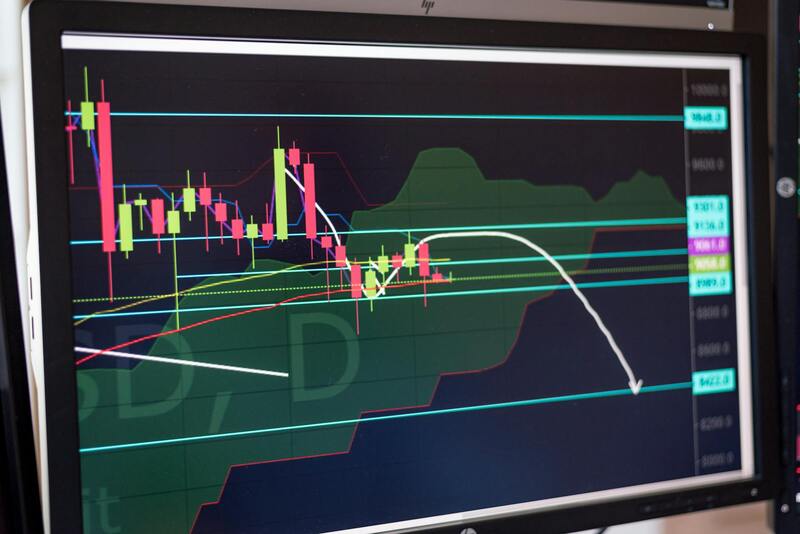
Futures proprietary trading firms serve as crucial platforms for traders seeking to leverage capital, access advanced trading tools, and operate within structured environments. Unlike retail brokerage accounts, futures prop firms provide traders with the opportunity to trade using the firm's capital, often enabling higher leverage and more flexible trading conditions. These firms typically evaluate traders through rigorous assessment processes, designed to identify capable and disciplined professionals who can generate profits while adhering to strict risk management protocols.
Success within futures prop firms hinges on understanding their core mechanisms, including the evaluation process, trading conditions, and the specific requirements imposed on traders. They are essential players in the trading landscape, providing opportunities for professional development, while also maintaining high standards of operational integrity and risk discipline. The right choice of a futures prop firm can significantly influence a trader’s growth trajectory, profitability, and overall trading experience.
Criteria for Selecting the Best Futures Prop Firm
Choosing an optimal futures prop firm involves a thorough assessment of several key factors. These criteria ensure that the firm aligns with your trading style, risk appetite, and professional goals:
- Trader Evaluation Process: Look for firms with transparent assessment challenges that objectively measure your trading skills, such as profit targets, risk limits, and consistency requirements.
- Trading Capital and Leverage: Consider the amount of trading capital offered and the leverage provided, ensuring they match your risk management strategy and market expertise.
- Fee Structure and Profit Sharing: Evaluate initial fees, subscription costs, and profit splits. Favor firms with clear and fair compensation models.
- Trading Environment and Platform Support: Confirm that the firm offers robust trading platforms, real-time data, and reliable connectivity essential for effective futures trading.
- Risk Management Policies: Understand the firm’s drawdown limits, risk controls, and support systems designed to protect both your capital and theirs.
- Reputation and Transparency: Opt for firms with positive industry reviews, transparent operations, and a history of supporting traders’ growth.
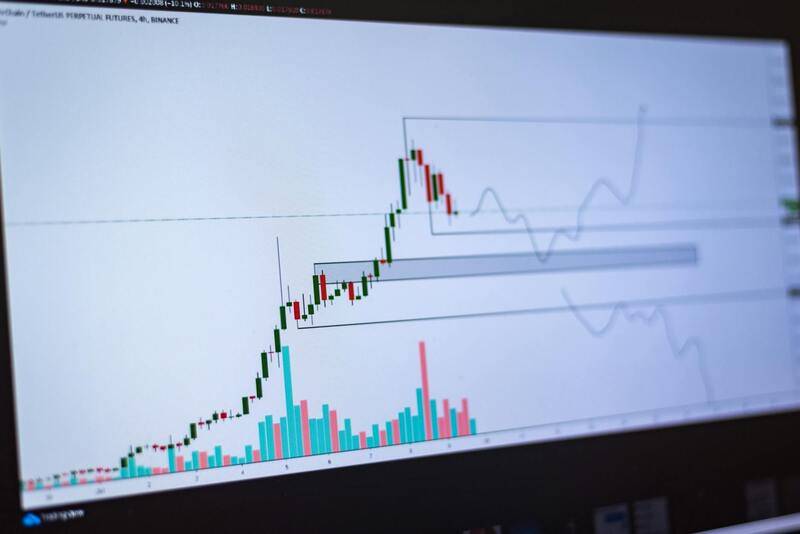
Matching these criteria with your personal trading approach enhances the likelihood of success and provides a firm foundation for sustainable growth in the futures markets.
Types of Futures Prop Firm Accounts
Futures prop firms typically offer various account types tailored to different trader profiles and experience levels. Understanding these options enables traders to select the most appropriate account structure:
- Standard Assessment Accounts: These are foundational accounts where traders are evaluated through simulation or real trading under specified conditions. Successful completion often leads to a funded trading account.
- Earned Fund Accounts: Traders who demonstrate consistent performance during evaluation phases are granted access to live capital with predefined risk parameters.
- Scaling Accounts: Some firms provide accounts that grow in size based on ongoing performance, enabling traders to gradually access larger capital pools as they prove their consistency.
- Real Capital Accounts: These accounts are funded directly by the firm, allowing traders to operate with actual capital without further evaluation phases, often within predefined risk parameters.
Each account type offers unique advantages regarding risk management, earning potential, and operational complexity. Selecting the right account type depends on your experience level, trading style, and risk preferences.
Challenge Requirements and Evaluation Process
The challenge or evaluation process is a critical step in earning a funded futures trading account. It typically involves passing a series of performance benchmarks designed to test affordability, discipline, and consistency:
- Profit Targets: Set profit benchmarks that must be achieved within a specific timeframe, demonstrating trading skill without excessive risk-taking.
- Risk Limits: Strict adherence to daily and overall drawdown limits is mandatory. Exceeding these limits results in disqualification from the evaluation process.
- Trading Discipline: Consistent trading hours, proper risk management, and adherence to the firm’s rules form the backbone of the evaluation criteria.
- Reporting and Documentation: Traders may need to submit trading logs or demonstrate understanding of the firm’s policies and risk controls.
The evaluation process often employs simulated environments or real-time trading assessments. Success hinges on maintaining discipline, managing risk effectively, and demonstrating resilience under market conditions.

Understanding each aspect of the challenge helps traders prepare systematically, increasing the probability of advancing to funded trading stages.
Trading Conditions and Rules
The effectiveness of futures trading within a prop firm environment depends heavily on well-defined conditions and rules set by the firm. These rules safeguard the capital and promote strategic discipline:
- Trading Hours: Most firms align trading hours with major futures exchanges’ active periods, typically between market open and close, ensuring optimal liquidity and volatility.
- Trade Size and Leverage: Limits on trade size and permissible leverage ratios help control risk and prevent overexposure to market fluctuations.
- Risk Management Protocols: Daily and maximum drawdowns, profit targets, and stop-loss rules enforce disciplined trading behavior.
- Allowed Instruments: Firms specify which futures instruments are permissible and any restrictions on contract types or expiration cycles.
- Reporting and Compliance: Regular performance reports and adherence to compliance standards ensure ongoing operational integrity.
These conditions create an ecosystem that promotes steady growth, minimizes adverse risk, and maintains a fair trading environment for all participants.
Visual Guide to Futures Trading Conditions and Platform Environments in Prop Trading

Understanding Futures Prop Firms
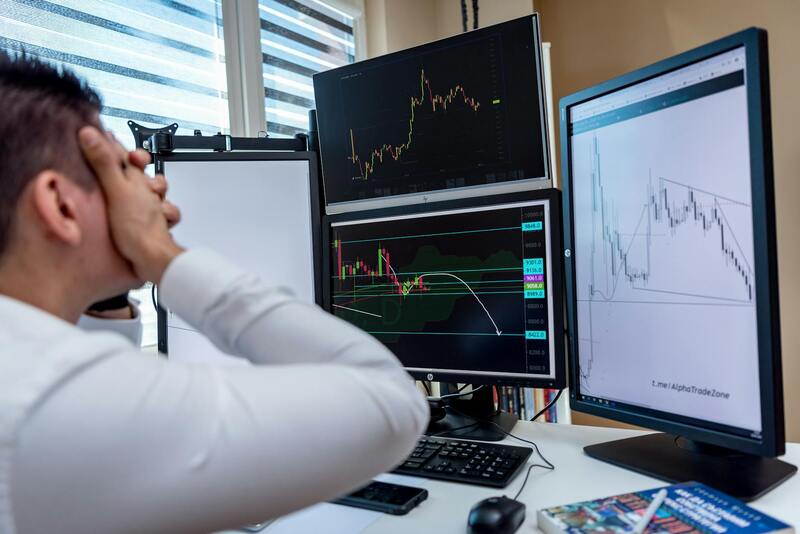
Futures proprietary trading firms serve as vital platforms for traders seeking to leverage significant capital without risking their own funds. These firms evaluate traders through rigorous assessment phases, providing qualifying traders access to trading capital, thus amplifying profit potential. Such firms are distinguished by their structured programs, whereby traders demonstrate their skills and consistency before gaining full trading privileges. The focus on futures markets allows traders to exploit high volatility and liquidity, essential for generating substantial returns within defined risk parameters. Ensuring traders understand the operational model of futures prop firms—ranging from account structures to risk management—is essential for strategic alignment and long-term success.
Criteria for Selecting the Best Futures Prop Firm
Choosing the right futures prop firm involves meticulously evaluating several key aspects. Firstly, assess the firm’s trading conditions, including leverage limits, trading hours, and permissible instruments. A transparent firm offers clear guidelines on risk management protocols, such as maximum drawdowns and profit targets, fostering disciplined trading practices. Support infrastructure—such as training, mentorship, and customer service—plays a significant role in trader development. Additionally, the firm’s payout structure, fee policies, and evaluation process should align with the trader’s objectives. An efficient evaluation challenge that accurately reflects real market conditions is crucial for a fair assessment. Finally, consider the firm’s reputation and transparency—solid track records and positive trader feedback indicate reliability and professionalism.
Types of Futures Prop Firm Accounts
Futures prop firms often offer different account types designed to cater to various trader profiles and preferences:
- Standard Evaluation Accounts: These accounts require traders to pass a preset challenge, demonstrating their ability to manage risk and generate profit under market conditions.
- Incremental Capital Accounts: Traders start with a smaller trading capital, with the potential to scale up based on consistent performance and adherence to risk management rules.
- Monthly or Subscription-Based Accounts: Some firms operate on a model where traders pay a recurring fee for access and evaluation, often combined with a profit-sharing agreement.
Within these structures, firms may offer different leverage ratios, trading limits, and risk protocols. Each account type aims to balance opportunity with risk control, ensuring traders are equipped to succeed while protecting firm capital from unnecessary exposure.
Challenge Requirements and Evaluation Process
The process of qualifying for a funded futures trading account involves stringent assessments to evaluate a trader’s discipline, consistency, and risk management skills. Most firms establish specific challenge parameters, which may include:
- Achieving a predefined profit target within a set period.
- Maintaining daily and overall drawdowns within acceptable limits.
- Adhering strictly to trading rules regarding position sizing, risk exposure, and trading hours.
- Demonstrating the ability to adapt to changing market conditions without violating risk protocols.
Successful completion of these challenges results in the trader being onboarded onto a funded account, where real capital is at risk under a controlled environment. This evaluation process ensures that only disciplined, consistent traders manage significant trading capital, benefiting both parties.
Trading Conditions and Rules
Effective futures trading within a prop firm is governed by a set of carefully designed trading conditions that foster sustainable and strategic trading behavior:
- Trading Hours: Most firms synchronize trading windows with major futures exchanges to optimize liquidity and reduce slippage, often between early morning and late evening sessions.
- Trade Size and Leverage: Limits on position sizes prevent overleveraging, while permissible leverage allows traders to maximize market opportunities without undue risk.
- Risk Management Protocols: Daily loss limits, maximum drawdowns, and profit targets safeguard firm capital and encourage prudent risk-taking.
- Instrument Selection: Clear guidelines on which futures contracts are tradable help maintain focus and reduce operational complexities.
- Reporting and Compliance: Regular monitoring and reporting ensure traders follow rules and uphold operational standards, creating a transparent environment for all stakeholders.
These conditions form an integral part of the trading ecosystem, designed to promote disciplined, strategic trading that aims for consistent profitability while managing possible losses effectively.
Top Futures Prop Firms in the USA
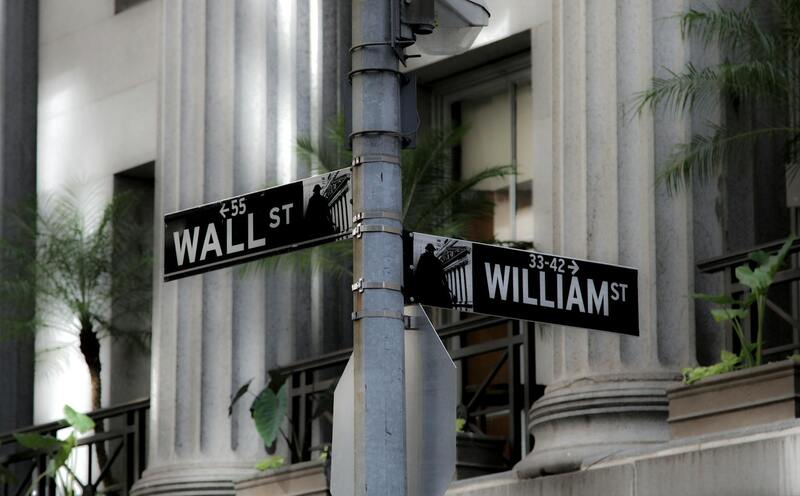
Among the leading futures prop firms in the United States, several notable names have established themselves through transparent evaluation processes, trader-centric policies, and robust support systems. These firms often stand out due to their competitive challenge criteria, flexibility in trading conditions, and excellent payout structures. They include industry-recognized entities with a proven track record of supporting futures traders at various skill levels. Such firms are characterized by their focus on risk management and their commitment to maintaining high professional standards, making them attractive options for dedicated futures traders seeking significant trading capital.
Advantages of Choosing the Right Prop Firm for Futures
Opting for a well-suited prop firm facilitates strategic growth, risk control, and operational efficiency. A reputable firm offers access to substantial trading capital, enabling traders to scale their positions and maximize profitability. Moreover, transparent rules and disciplined evaluation processes help reinforce good trading habits, reducing impulsive decisions and encouraging consistency. Support systems—from training resources to dedicated account managers—enhance skill development and market understanding. Additionally, firms with favorable payout policies ensure traders benefit substantially from their success, motivating sustained performance. Ultimately, selecting the proper prop firm creates a framework that supports long-term trading excellence while safeguarding both trader and firm interests.