How to Start a Prop Trading Firm: A Comprehensive Guide
Understanding Futures Prop Trading Firms
Futures proprietary trading firms serve as specialized entities within the financial markets, primarily focused on trading futures contracts using their own capital. These firms differ significantly from brokers or asset management companies because their primary goal is to generate profits through active trading strategies, often leveraging advanced analytics, automation, and disciplined risk management. They act as a bridge between capital providers and the trading teams, fostering an environment where talented traders can operate without risking their own funds. The core function of a futures prop trading firm involves sourcing, executing, and managing trades across various futures markets, including commodities, indexes, currencies, and interest rates. Unlike traditional investment firms that manage client funds, prop trading firms operate with a direct focus on trading performance, making strategic decisions that aim to maximize returns against market exposures. Establishing such a firm requires a deep understanding of market mechanisms and operational efficiencies, aiming to identify and exploit profitable opportunities within the futures landscape.

Necessary Skills and Qualifications
Building a successful futures prop trading firm begins with assembling a team that possesses a combination of technical expertise, market knowledge, and disciplined trading discipline. Key skills include a strong understanding of futures markets, technical analysis, and algorithmic trading for those implementing automated strategies. Effective risk management acumen is vital to minimize losses and preserve capital. Professional qualifications such as certifications in financial analysis, trading, or quantitative analysis can add credibility and expertise to your team. Experience in trading, market analysis, and strategy development helps to craft resilient trading models capable of adapting to changing market conditions. Additionally, leadership qualities, strategic planning, and data-driven decision-making are integral to navigating the competitive landscape of futures trading success.

Legal Structure and Regulatory Requirements
Establishing a futures prop trading firm involves choosing an appropriate legal structure, such as a limited liability company (LLC), partnership, or corporation. The chosen entity must be registered with the relevant authorities overseeing derivatives trading, which typically include federal and state agencies. Compliance with financial reporting, record keeping, and operational standards is essential for maintaining transparency and operational integrity. Setting up appropriate governance frameworks ensures adherence to trading regulations, code of conduct, and internal risk controls. It’s crucial to work with legal professionals who specialize in financial services to draft operating agreements, trading policies, and compliance protocols. These steps help create a stable operational foundation, facilitate smooth regulatory reviews, and foster investor confidence.

Financing and Capital Requirements
Launching a futures prop trading firm demands substantial capital to support trading activities, technology, staffing, and operational expenses. The initial capital requirement varies based on the scale of operations and market ambitions but generally necessitates millions of dollars to establish a competitive presence. Secure funding sources include personal savings, angel investors, venture capital, or partnerships with financial backers who understand the risk-reward dynamic of futures markets. Establishing robust capital reserves ensures the firm can withstand adverse market movements and volatility. It’s prudent to have a detailed financial plan outlining startup costs, ongoing operational expenses, and contingency funds to manage unforeseen circumstances effectively. Adequate financing provides the stability needed for implementing trading strategies, investing in technology, and attracting talented traders and analysts.

Setting Up Trading Infrastructure and Accounts
The backbone of a successful futures trading firm is its infrastructure. This includes high-performance trading hardware, reliable internet connectivity, dedicated servers or colocation services, and secure data management systems. Selecting a reputable prime broker or brokerage capable of supporting professional trading activities is critical, providing access to markets, leverage, and clearing services. Establishing multiple trading accounts tailored for specific markets and strategies facilitates efficient trading operations and risk separation. Additionally, implementing advanced trading platforms, risk management software, and real-time market data feeds enhances decision-making capabilities. Ensuring cybersecurity measures are in place protects sensitive data and trading strategies from potential threats, safeguarding the firm’s operational integrity and client trust.

Necessary Skills and Qualifications
Establishing a proficient futures prop trading firm demands a team with a diverse set of skills and qualifications. The core members typically include experienced traders, risk managers, compliance specialists, and technical analysts. Traders should possess a strong understanding of the futures markets, technical analysis, and disciplined risk management practices. A successful trader often has formal education in finance, economics, or related fields, complemented by certifications such as the Series 3 or the Chartered Market Technician (CMT) designation, which demonstrate expertise and credibility.
Risk managers play a pivotal role by developing strategies to minimize losses and protect the firm’s capital. They need to be proficient in quantitative analysis, volatility modeling, and real-time risk assessment tools. Their ability to adapt strategies swiftly in response to market shifts is crucial to maintaining long-term profitability.
Technical proficiency is equally vital. Staff should be well-versed in trading platforms, algorithmic trading systems, and software development where applicable. A deep understanding of data analytics and programming languages such as Python or R enhances the ability to develop robust automated trading strategies and backtest models.
Furthermore, regulatory knowledge is essential for ensuring compliance with trading standards and operational rules. This involves understanding reporting responsibilities, transparency obligations, and client fund management. A dedicated compliance officer or legal advisor should be involved from the outset to integrate best practices into daily operations.

Legal Structure and Regulatory Requirements
The choice of legal structure influences operational flexibility, tax obligations, and risk exposure. Many futures prop trading firms opt for structures such as limited liability companies (LLCs) or corporations, which provide liability protection and facilitate raising capital. Establishing the right structure requires careful consideration of how it aligns with long-term business goals.
Operational compliance involves adhering to regulatory standards set by authorities such as securities commissions or commodity futures trading agencies. These bodies oversee registration requirements, reporting standards, and trading conduct. For instance, registering as a proprietary trading firm often necessitates comprehensive disclosures about ownership, business practices, and financial stability.
Maintaining transparency with regulatory authorities safeguards the firm’s reputation and provides access to necessary trading privileges and market access. Implementing proper record-keeping, audit procedures, and reporting systems supports ongoing compliance activities.

Financing and Capital Requirements
Solid financial backing is critical for establishing a futures prop trading firm capable of sustaining volatility and supporting strategic growth. Initial capital must be sufficient not only to cover setup costs but also to maintain operational liquidity during market fluctuations.
Sources of funding can include personal savings, loans, investor contributions, or partner capital. Transparency with investors and lenders about the firm’s risk management strategies and financial health builds confidence and facilitates fundraising efforts.
Operational capital should be allocated strategically across trading accounts, technology investments, staffing, and contingency reserves. Maintaining a reserve fund is essential to cushion against unexpected losses or adverse market conditions.

Setting Up Trading Infrastructure and Accounts
Establishing a robust trading infrastructure is foundational. This includes investing in high-performance hardware, secure network environments, and data storage solutions. High-quality trading terminals and direct market access platforms facilitate swift order execution and real-time market analysis.
Choosing the right prime broker or clearinghouse is a critical step. These entities provide essential services like leverage, margin management, and custody of client funds, enabling smooth operational flow. Multiple trading accounts tailored for specific instruments and markets help segregate risks and optimize trading strategies.
Technology deployment extends to risk management software systems, automated trading algorithms, and real-time data feeds. Cybersecurity measures such as firewalls, encryption, and regular audits are vital to protect sensitive proprietary data and client information.
Designing Trading Strategies and Risk Management
Developing effective trading strategies begins with detailed market analysis and backtesting historical data through rigorous simulation. Quantitative methods, including statistical arbitrage, trend following, and mean reversion, are commonly employed, with strategies tailored to specific asset classes such as futures contracts.
Risk management is embedded into the trading process using controls like position sizing, stop-loss orders, and portfolio diversification. Advanced software automates risk tracking, allowing traders and risk officers to respond swiftly to market volatility.
Regular review and refinement of trading systems are essential to adapt to new market conditions. Scenario analysis and stress testing evaluate potential impacts of unforeseen events, ensuring resilience against adverse scenarios.
Legal Structure and Regulatory Requirements
Establishing a robust legal framework is foundational for launching a futures proprietary trading firm. Typically, this involves registering the business entity as a corporation or limited liability company, which provides liability protection and delineates the firm’s responsibilities. The core legal documentation, including articles of incorporation and operating agreements, formalizes governance, ownership stakes, and operational boundaries.
Adhering to specific regulatory standards enhances operational credibility. This may involve registering with relevant authorities such as the Commodity Futures Trading Commission (CFTC) and becoming a member of the National Futures Association (NFA). These registrations facilitate compliance with rules governing trader conduct, data security, and financial reporting.

The firm must implement procedures for anti-money laundering (AML), know-your-customer (KYC), and suspicious activity monitoring to ensure compliance with industry standards. Proper record-keeping and reporting mechanisms are also critical to demonstrate adherence to regulatory guidelines, simplify audits, and foster trust among clients and partners.
Financing and Capital Requirements
Starting a futures prop trading firm demands a substantial initial investment to cover infrastructure, staffing, and operational expenses. While the required capital varies based on the scope and scale of trading activities, prudent firms allocate resources for technology deployment, legal and compliance costs, and risk capital.
Maintaining adequate capital buffers and reserve funds helps in managing market fluctuations and covering potential trading losses. Establishing a clear capital plan aligned with your trading strategies not only ensures ongoing operations but also attracts confidence from investors or funding partners.

Setting Up Trading Infrastructure and Accounts
Choosing the right technological infrastructure is critical to efficient trading operations. This begins with selecting secure, high-speed trading platforms that support algorithmic strategies, real-time data analysis, and seamless order execution. Establishing connections with prime brokers or clearinghouses provides vital services such as leverage, margin management, and custody of client funds.
Account setups should be tailored to different asset classes and trading styles—whether focusing on day trading, swing trading, or longer-term strategies. Multiple account types enable risk segmentation, improve compliance, and streamline reporting processes.
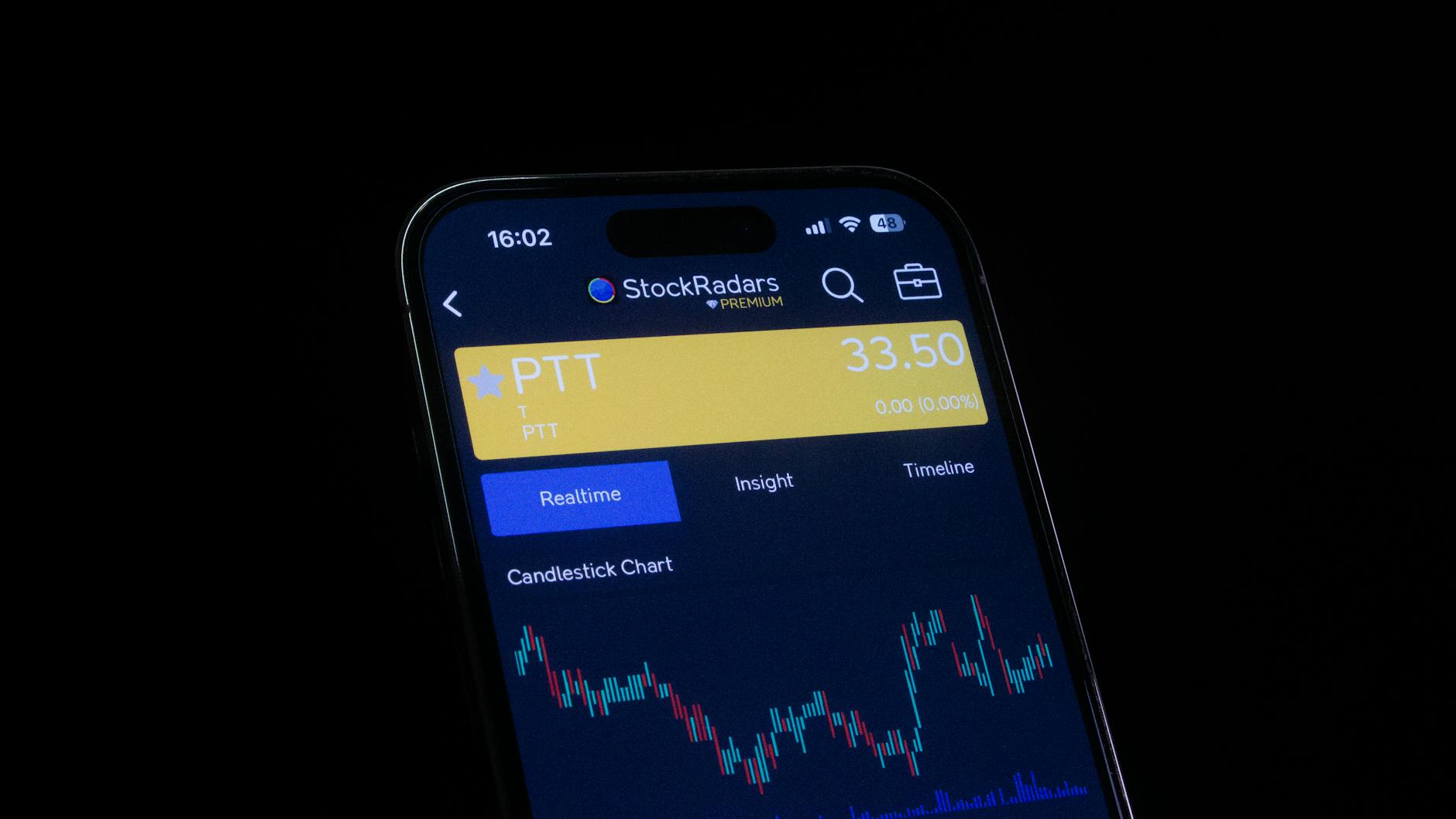
Designing Trading Strategies and Risk Management
The creation of effective trading strategies relies heavily on comprehensive research, market analysis, and disciplined backtesting. Quantitative techniques such as statistical arbitrage, trend following, and mean reversion help identify profitable opportunities across futures markets.
Risk management is integrated into every trading decision. Utilizing controls like position sizing aligned with risk appetite, stop-loss orders to limit downside, and diversification across contracts mitigates exposure. Advanced risk management software automates these processes, providing real-time oversight of portfolio health.
Regular strategy reviews, scenario analysis, and stress testing are necessary to adapt to evolving market conditions. These practices help anticipate adverse scenarios and adjust trading approaches proactively.
Securing Initial Funding and Managing Capital
Launching a proprietary trading firm in the futures markets requires meticulous financial planning and strategic capital management. Initial funding is a critical component, enabling traders to execute strategies effectively while maintaining sufficient reserves to absorb potential losses. Typically, establishing a futures prop trading enterprise involves securing capital from personal sources, private investors, or dedicated fundraise efforts that align with the firm’s growth objectives.
One of the first steps is to define a clear capital benchmark based on your trading scope, risk appetite, and target markets. This involves not only estimating the amount needed for daily operations but also reserving additional funds for contingency scenarios. Conservative estimates should consider leverage limits mandated by trading platforms and the margin requirements of various futures contracts.
Financial planning extends beyond initial funding. It encompasses ongoing cash flow management, profit reinvestment strategies, and maintaining liquidity levels that support sustained operations. Effective capital management also involves closely monitoring trading performance, adjusting position sizes in response to market conditions, and ensuring that trading capital is allocated optimally across different strategies and asset classes.

Funding options for establishing a prop firm include personal savings, angel investors with trading expertise, and institutional funding sources. Establishing transparent agreements with investors or partners—covering profit-sharing, drawdowns, and performance metrics—can facilitate smoother capital flow and risk sharing. Building credible financial documentation and demonstrating a solid trading plan further encourages investor confidence and support.
In addition to raising initial capital, it is essential to plan for ongoing capital infusion, whether through profit reinvestment, performance-based funding, or external capital injections. Maintaining an accurate and comprehensive financial record-keeping system supports transparency and helps to identify areas where capital utilization can be optimized.

Ultimately, the process of securing and managing capital must align with your firm’s strategic plans, trading objectives, and risk profile. Continual review and adaptation of your financial approach will help to mitigate risks while capitalizing on emerging opportunities within futures markets, laying the foundation for long-term success in prop trading.
Understanding Futures Prop Trading Firms
Establishing a futures proprietary trading firm requires a comprehensive approach that encompasses both strategic planning and meticulous execution. Once the foundational elements, such as necessary skills, legal considerations, and capital financing, are addressed, the next critical step involves setting up robust trading infrastructure and accounts.
Choosing the Right Trading Platforms and Software
Selection of trading platforms is pivotal in ensuring efficient and reliable market access. Opt for platforms that offer advanced charting tools, real-time data feeds, and algorithmic trading capabilities. Popular options for futures trading include industry-standard software that supports multiple asset classes and provides rapid order execution. Compatibility with multiple devices and security features such as two-factor authentication are also essential to safeguard your trading activities.
Establishing Trading Accounts
The next phase involves opening trading accounts with reputable futures brokers. It is important to evaluate not just commission structures but also the level of margin support, customer service, and technological integration. Many professional traders prefer brokers that provide API access to automate trading strategies, monitor positions, and implement risk controls seamlessly. Ensure that accounts are set up with appropriate permissions, limits, and trading parameters aligned with your firm’s risk management policies.
Implementing Infrastructure for Trade Execution and Data Management
Reliable infrastructure is the backbone of successful futures trading operations. This includes dedicated hardware, such as high-speed internet connections, backup power supplies, and secure servers. Implementing a comprehensive data management system helps track trade history, monitor performance metrics, and facilitate compliance reporting. Additionally, integration of risk management software and trade analytics tools enhances decision-making and provides real-time oversight of trading activities.

Developing Compliance and Data Security Protocols
Operational integrity depends heavily on strict compliance procedures and data security measures. Implement protocols for regular audits, transaction verification, and secure storage of sensitive client information. Employ encryption technologies and cybersecurity best practices to mitigate the risk of unauthorized access. Document all operational procedures, and ensure your staff training includes adherence to these security standards, fostering transparency and trust with clients and partners.
Building a High-Performance Trading Environment
Creating a conducive trading environment involves not only technical setup but also fostering a culture of discipline, continuous learning, and strategic innovation. Provide ongoing training to traders on market analysis, risk controls, and emerging trading techniques. Encourage collaboration and data sharing within your team to enhance collective trading performance. Regular review meetings to analyze trading results and refine strategies are vital in maintaining a competitive edge.
Understanding Futures Prop Trading Firms
Establishing a futures proprietary (prop) trading firm requires thorough knowledge of the industry landscape, including the operational frameworks, trading philosophies, and core strategies employed by successful firms. These firms serve as platforms where skilled traders utilize the firm's capital to execute high-volume trades in futures markets, aiming for consistent profits while managing risk effectively. Their structure often involves a combination of sophisticated trading algorithms, robust risk management protocols, and strategic capital allocation to maximize trading efficiency and profitability.
Futures prop trading firms operate with distinct organizational models—some function as independent entities while others are divisions within larger financial institutions. Central to their success is a deep understanding of the futures markets, including contract specifications, margin requirements, and market volatility patterns. Knowledge of market microstructure, order types, and trading platforms is essential for designing operational systems that support rapid trade execution and minimal latency, which are critical factors in futures trading.
By focusing on continuous improvement in trading methods, leveraging data analytics, and maintaining high compliance standards, these firms position themselves for long-term growth. They develop proprietary trading strategies tailored to various futures markets, including commodities, financial futures, and indices, allowing flexibility to adapt to changing market conditions and capitalize on emerging trading opportunities.

Necessary Skills and Qualifications
Building a successful futures prop trading firm starts with assembling a team equipped with essential skills, including advanced understanding of financial markets, quantitative analysis, and risk management. Successful traders are often characterized by a disciplined approach, strong analytical capabilities, and a relentless focus on process adherence. These qualities ensure consistent performance and resilience in volatile market conditions.
In addition to individual skills, organizational competence encompasses knowledge of trading platforms, order execution protocols, and data management systems. Firms should seek traders who are proficient in programming languages such as Python or R, which facilitate development of custom trading algorithms and backtesting strategies. Furthermore, strong communication skills and teamwork are vital for fostering a collaborative environment where innovative ideas can be shared and refined.
Qualifications often include relevant educational backgrounds such as degrees in finance, economics, or mathematics, combined with professional certifications like the Chartered Financial Analyst (CFA) designation or similar credentials. Continuous training programs and participation in industry seminars help traders stay ahead of market trends and technological innovations that can be leveraged for a competitive advantage.
Developing a comprehensive onboarding process for new traders—covering risk policies, trading protocols, and compliance standards—is crucial for maintaining operational integrity and ensuring alignment with the firm’s strategic objectives. Building this foundation is fundamental for establishing a sustainable and ethically sound prop trading operation.

Legal Structure and Regulatory Requirements
Once the foundation of skills and operational procedures is in place, establishing a suitable legal structure is essential. Typically, futures prop trading firms are registered as LLCs, corporations, or partnerships, depending on factors such as liability considerations, tax implications, and organizational goals. Proper legal formation helps ensure clear operational frameworks, asset protection, and compliance with applicable financial regulations.
Operational compliance involves adherence to regulatory standards set by relevant authorities, such as the Commodity Futures Trading Commission (CFTC) and the National Futures Association (NFA), if operating within the United States. Obtaining necessary licenses or registrations, such as a Trading Advisor license or Memberships, demonstrates due diligence and commitment to industry best practices.
Implementing comprehensive compliance procedures, including anti-money laundering measures, transaction reporting, and trade auditing, bolsters trust with counterparties, clients, and oversight bodies. Maintaining transparent records, robust internal controls, and routine audits are vital components of the legal and regulatory framework supporting a futures prop trading enterprise.
While specific licensing requirements vary by jurisdiction, engaging with legal consultants specializing in financial services ensures that all aspects of the firm's operations are aligned with local legislation and industry standards. Clarifying ownership structures, profit distribution models, and dispute resolution mechanisms in company documentation further solidify the firm’s operational integrity.

Financing and Capital Requirements
Launching a futures prop trading firm necessitates substantial initial capital for setting up trading infrastructure, hiring skilled personnel, and maintaining operational liquidity. The exact capital requirements vary depending on the scale of operations, market focus, and trading strategies, but prudent planning involves allocating funds strategically across these domains.
Firms typically need a reserve fund to cover margin requirements, trading losses, and unexpected market movements. Establishing a contingency reserve enhances resilience, allowing traders to execute strategies without immediate risk of capital depletion. Moreover, sourcing capital can involve personal savings, angel investors, or strategic partners who understand the industry’s risk-return profile.
Securing sufficient initial capital also involves demonstrating a clear and detailed business plan that outlines projected trading volumes, risk management protocols, and profit targets. Professional financial modeling supports this process, illustrating potential return on investment and risk exposure, which helps attract funding and build credibility in early stages of the firm.
Operational costs, including technology infrastructure, regulatory fees, legal services, and personnel salaries, should be factored into the total capital plan. Establishing a sustainable financial cushion is essential for enduring market fluctuations and enabling continuous innovation and growth in a competitive environment.

Setting Up Trading Infrastructure and Accounts
The backbone of an efficient futures prop trading firm is a robust technical infrastructure that facilitates seamless execution, data management, and risk control. Setting up advanced trading platforms integrated with market data feeds, order routing, and execution management systems is crucial for maximizing trading efficiency.
Trade account setup extends beyond technical configuration; it involves establishing relationships with exchanges, clearinghouses, and liquidity providers to ensure optimal execution venues. These arrangements often include negotiations for favorable trading terms and commissions that directly impact profitability.
Data security and system reliability are vital considerations. Implementing encrypted data transmission, disaster recovery plans, and cybersecurity measures safeguard sensitive trading information and prevent operational disruptions. Regular maintenance, software updates, and system testing are necessary to maintain high performance standards.
Furthermore, developing internal procedures for account management ensures traders have clarity on margin monitoring, trade limits, and withdrawal policies. Creating standardized workflows for onboarding new accounts, verifying trader credentials, and managing compliance documentation enhances operational consistency.
In deploying these systems, choosing reputable technology vendors with proven industry experience minimizes risks related to system failures or vulnerabilities. Ensuring compatibility across hardware and software components allows for scalable growth and adaptability as the firm expands its trading activities.

Understanding Futures Prop Trading Firms
Futures proprietary trading firms operate by trading financial instruments such as commodities, indices, or currencies using their own capital, often supported by traders they hire or partner with. These firms typically focus on sophisticated trading strategies, leveraging advanced technology and comprehensive market analysis to generate profits. They serve as crucial gateways for ambitious traders seeking to access substantial trading capital without risking personal funds, provided they meet specific performance and risk management criteria.

Successful futures prop firms are built upon a foundation of robust technological infrastructure, sound risk management principles, and strong operational processes. They operate within a framework that emphasizes transparency, profitability, and adherence to market regulations, aiming to sustain long-term competitive advantage. As these firms scale, they often expand their trading strategies, incorporate diversified asset classes, and invest in cutting-edge market research.
Necessary Skills and Qualifications
For traders aiming to start a futures prop trading firm, possessing a comprehensive skill set is essential. This includes a deep understanding of market dynamics, technical analysis, and trading psychology. Proficiency in programming languages such as Python or R can significantly enhance strategy development and backtesting capabilities. Additionally, traders should be familiar with quantitative methods and risk modeling to evaluate potential trades effectively.
Beyond technical skills, experience in managing trading psychology under pressure and maintaining discipline during volatile market conditions can distinguish successful traders from others. Certifications like the Chartered Market Technician (CMT) or Certified Financial Technician (CFTe) can bolster credibility, demonstrating a trader's commitment to industry standards. Practical experience gained through trading desks, internships, or educational programs lays a foundation for managing complex trading operations within a proprietary firm environment.
Legal Structure and Regulatory Requirements
Establishing a futures prop trading firm involves selecting an appropriate legal structure, such as a corporation or LLC, tailored to facilitate operational flexibility and asset protection. Proper registration with relevant financial authorities ensures compliance with industry standards and facilitates relationships with exchanges and clearinghouses.
Compliance entails adhering to reporting obligations, implementing anti-money laundering (AML) procedures, and establishing robust internal controls. Developing comprehensive policies for data security, trading conduct, and risk oversight aligns the firm's operations with established best practices. Regular audits and assessments contribute to ongoing compliance and operational integrity.
Financing and Capital Requirements
Launching a futures prop trading firm demands significant capital to fund trading accounts, technological infrastructure, human resources, and operational expenses. Initial funding sources may include personal savings, angel investors, or institutional backing. Establishing a clear financial plan that details startup costs, projected revenue, and contingency reserves is critical for long-term sustainability.
In addition to initial capital, maintaining sufficient liquidity to buffer against adverse market movements and meet margin calls is vital. Many firms opt for diversified funding strategies, incorporating credit lines or partner capital to expand trading capacity without over-leveraging risk.
Setting Up Trading Infrastructure and Accounts
Creating a robust trading environment begins with selecting high-performance trading platforms compatible with futures markets. Integration with real-time market data feeds ensures traders have access to the latest price information, enabling swift decision-making. Establishing direct relationships with exchanges and liquidity providers minimizes transaction costs and enhances execution quality.

Operational account setup involves verifying trader credentials, establishing risk parameters, and defining trade limits. Automating these processes through standardized workflows accelerates onboarding and maintains consistency across staffing. Cybersecurity measures, such as encrypted communications and intrusion detection systems, protect sensitive data from breaches.
Designing Trading Strategies and Risk Management
Developing profitable trading strategies requires rigorous research, backtesting, and ongoing refinement based on market conditions. Strategies should be well-documented, with clear entry and exit criteria, position sizing rules, and performance benchmarks. Diversification across asset classes helps mitigate risk and smooth out performance volatility.
Risk management is paramount in futures trading. Implementing strict position limits, stop-loss orders, and real-time monitoring systems ensures that losses stay within acceptable thresholds. Regular portfolio reviews and stress testing under various market scenarios help identify vulnerabilities and adapt strategies accordingly.
Final Steps: Successfully Launching and Operating Your Futures Prop Trading Firm
Launching a futures proprietary trading firm is an intricate process that demands meticulous planning, adherence to established procedures, and ongoing strategic management. Once foundational components like infrastructure, strategies, and capital are in place, the focus shifts to ensuring consistent operational success, optimizing performance, and maintaining compliance with industry standards.
Develop Robust Operational Procedures and Documentation
To sustain efficient trading activities, establish comprehensive operational protocols. These should include detailed documentation on trade execution processes, risk management policies, compliance procedures, and internal controls. Well-articulated procedures enable staff to operate uniformly, minimizing errors and fostering accountability.

Regular review and updating of this documentation ensure procedures remain aligned with market best practices and evolving regulatory landscapes. Incorporating feedback loops through post-trade reviews and performance assessments helps refine processes continuously.
Implement Effective Monitoring and Performance Metrics
Performance monitoring is crucial for long-term success. Utilize advanced trading analytics platforms that provide real-time dashboards displaying key metrics such as profit and loss (P&L), risk exposure, drawdowns, and trade accuracy. Clearly defined benchmarks facilitate performance evaluations and inform strategic adjustments.
Automated alerts and proactive risk monitoring systems help detect anomalies or breaches in predefined trading limits promptly, mitigating potential losses. Regular analysis of trading data assists in identifying high-performing strategies and underperforming traders, enabling targeted coaching and development.
Staffing and Trader Management
Building a competent team involves recruiting skilled traders, analysts, and operational personnel. Establish strict hiring standards, including assessing their market expertise, risk discipline, and technological proficiency.
Ongoing training programs, mentorship, and performance reviews cultivate a disciplined trading environment. Clear communication of expectations, combined with incentive structures aligned with firm performance, motivates traders to adhere to risk protocols and strive for continuous improvement.
Risk Assessment and Continuous Optimization
Risk management extends beyond initial setup. Regular risk assessments, including stress testing and scenario analysis, help gauge the firm's resilience under adverse market conditions. Adjusting trading parameters, leverage levels, and hedging strategies ensures the firm's risk appetite remains aligned with market realities.
Adopt a culture of ongoing learning and innovation. Use performance data and industry insights to refine trading algorithms, diversify asset holdings, and adapt to macroeconomic shifts. Flexible strategies and proactive risk mitigation are key to sustaining profitability in volatile markets.
Legal Compliance and Ethical Standards
While operational transparency is imperative, maintaining high ethical standards and adherence to industry protocols underpin long-term success. Engage professionals who can provide guidance on compliance frameworks, reporting requirements, and best practices for data security. Implement internal audit routines to ensure continuous adherence to operational policies.
Scaling and Expansion Strategies
As the firm matures, consider scaling by expanding trading capital, diversifying asset classes, or entering new markets. Carefully evaluate opportunities through detailed research and risk analysis. Investment in technological upgrades, expanded staff training, and enhanced infrastructure supports sustainable growth.
In addition, cultivating relationships with liquidity providers and technology vendors ensures access to the latest tools and market data streams, facilitating competitive advantages.