Understanding Futures Prop Firms
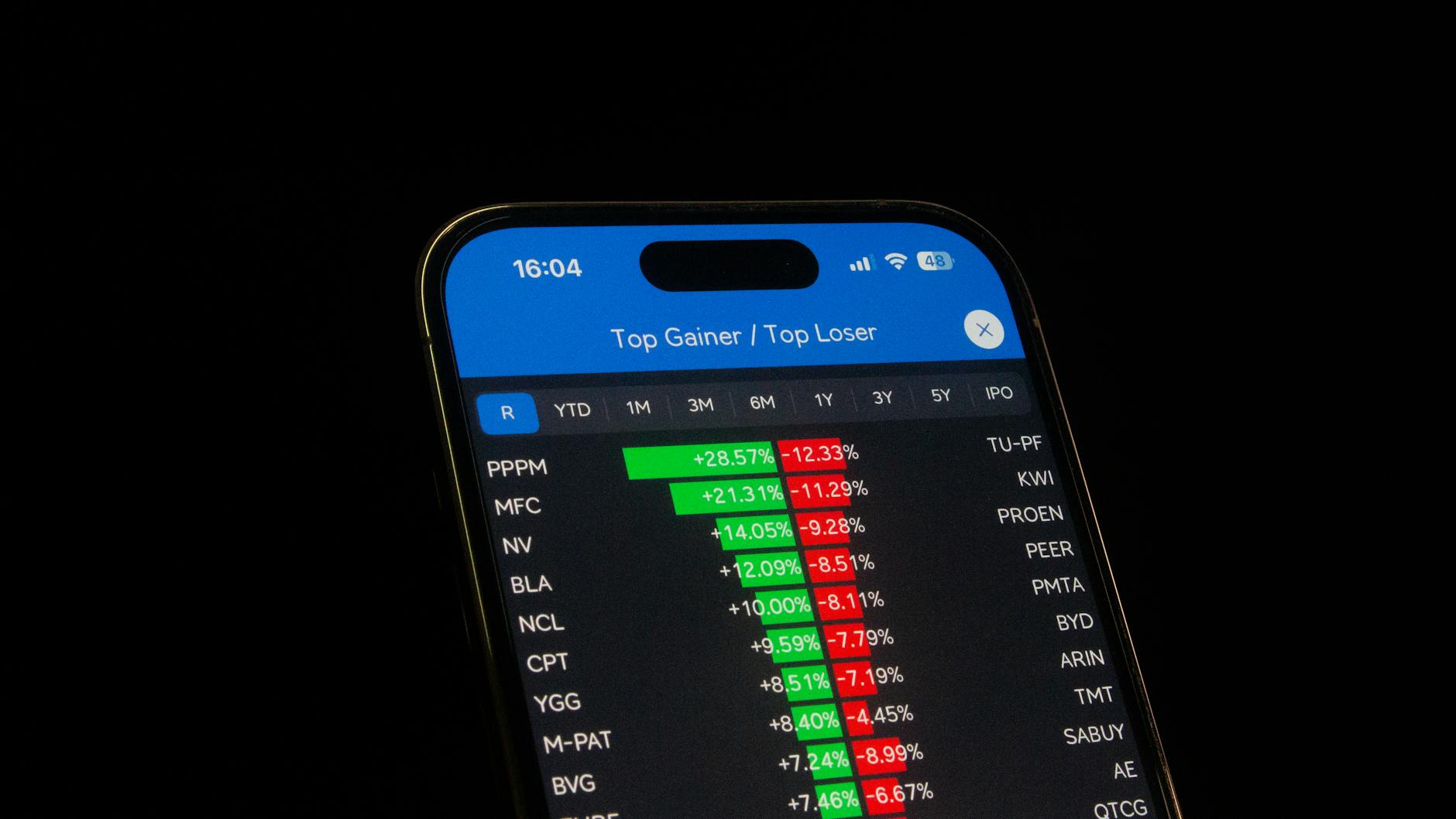
Futures proprietary trading firms, commonly referred to as futures prop firms, serve as specialized entities that facilitate trading activities for individual traders using the firm’s capital. These firms aim to identify skilled traders and provide them with the necessary resources, such as trading accounts, technology, and mentorship, to maximize their potential in the futures markets. Unlike traditional trading firms that primarily operate their own funds, prop firms focus on building a scalable environment where talented traders can grow while sharing in profits.
The core operation of a futures prop firm revolves around assessing traders’ skills through evaluation programs or trading challenges. Participants typically undergo a series of tests designed to demonstrate their ability to manage risk, execute strategies, and generate consistent returns. Successful traders are then granted access to larger trading accounts funded by the firm, creating a mutually beneficial ecosystem.
These firms differ from other trading organizations in several ways. For instance, while hedge funds may manage assets for external investors, prop firms primarily utilize their own or internally pooled capital to offer trading opportunities. Their focus on proprietary trading emphasizes trader development, technological infrastructure, and performance metrics optimized for futures markets.
Understanding the role and operational model of futures prop firms is fundamental when designing a website dedicated to such an enterprise. Properly communicating the firm’s purpose, process, and support systems will attract skilled traders and industry stakeholders alike.
Key Features of a Futures Prop Firm Website
Building a professional and effective futures prop firm website involves several essential features. These components ensure that visitors can easily navigate the site, find relevant information, and engage with the firm’s offerings. Key features include clear calls to action, detailed descriptions of evaluation processes, and accessible contact options.
- About the Firm: An overview of the company’s mission, history, and core values.
- Trader Evaluation Programs: Details about trading challenges, requirements, and the process for becoming a funded trader.
- Funding and Account Details: Information on account sizes, profit sharing, and risk management policies.
- Educational Resources: Guides, tutorials, and market analysis tools to support trader development.
- Contact and Support: Easy-to-find contact forms, email addresses, and FAQs to assist visitors.

Designing User-Friendly Navigation
An intuitive navigation structure enhances user experience by enabling visitors to locate information efficiently. This involves logical grouping of content, clear labeling, and straightforward menus. Incorporating a sticky header or a hamburger menu for mobile devices ensures accessibility across platforms.
Using a consistent layout and visual hierarchy helps visitors understand where they are on the site and what actions they can take. Prominent placement of call-to-action buttons, such as “Join a Challenge” or “Contact Us,” encourages engagement and supports the site’s conversion goals.
Integrating Trading Platforms and Tools
To convey the technical capabilities of the firm, the website should showcase the trading platforms, analytical tools, and APIs available to traders. Embedding demo versions or providing downloadable resources creates transparency and demonstrates the firm’s technological infrastructure.
Dedicated sections on technical setup, platform compatibility, and order execution capabilities prepare traders for real-world trading environments and build trust in the firm’s offerings.
Designing User-Friendly Navigation
Creating an intuitive navigation structure is fundamental to ensuring visitors can easily explore the different facets of a futures prop firm's website. Clear menu labels, logical categorization, and accessible submenus contribute to a seamless user experience. Incorporate primary navigation elements such as "Home," "About Us," "Trading Challenges," "Funding Opportunities," "Educational Resources," and "Contact" to streamline access to key sections.
Utilize sticky navigation bars that remain visible as users scroll through pages, allowing quick access to important areas at any time. Additionally, a well-structured footer menu can provide links to legal disclosures, FAQs, and social media channels, enhancing site usability and trustworthiness.
Implement responsive design principles to ensure that the website functions flawlessly across desktops, tablets, and smartphones. Mobile optimization is particularly vital, as a significant portion of traders and prospects access platforms via mobile devices. Consistent, intuitive navigation encourages longer site visits and reduces bounce rates, ultimately supporting conversion goals.

Integrating Trading Platforms and Tools
A critical component of a futures prop firm's website is its integration with advanced trading platforms and analytical tools. Embedding or linking to proprietary trading interfaces enables traders to access real-time data, execute trades, and monitor performance seamlessly within the site environment.
Use embedded widgets or APIs to connect trading dashboards directly to popular futures trading platforms, allowing users to manage their accounts and execute strategies efficiently. These integrations must prioritize reliability, ensuring minimal latency during critical trading moments.
In addition, providing access to sophisticated charting tools, risk management calculators, and algorithmic trading scripts enhances the platform’s functionality. Traders benefit from comprehensive analytical resources that support informed decision-making.
Security protocols such as encrypted connections and secure login systems protect transaction data and personal information, maintaining trust and integrity in the platform.

Designing User-Friendly Navigation
Creating a seamless navigation experience is vital for guiding prospective traders and existing users effortlessly through the various functionalities of a futures prop firm website. Clear and logical menu structures ensure that visitors can easily locate information about account registration, challenge procedures, and trading activities without confusion. Implementing sticky headers or fixed navigation bars enhances accessibility, allowing users to traverse the site without losing track of their position.
Utilization of consistent visual cues such as icons, headings, and color schemes can improve intuitive understanding of the site layout. Drop-down menus should be simple and well-organized, categorizing information logically to minimize cognitive load. For example, grouping educational resources, account types, and trading tools into distinct sections can streamline user journeys.
Effective call-to-action (CTA) buttons integrated within the navigation facilitate decisions, guiding users towards registration pages, demo accounts, or challenge participation forms. These elements should be prominently placed and styled to attract attention.
Mobile-friendly design is equally crucial, as many traders access platforms via smartphones or tablets. Responsive layouts, touch-friendly buttons, and optimized load times contribute to a positive user experience across all devices.
Integrating Trading Platforms and Tools
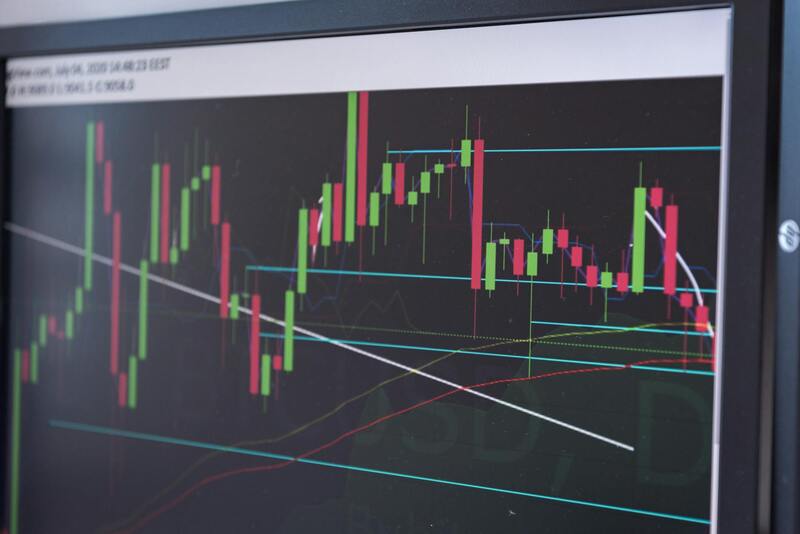
Embedding reliable trading platforms directly into the website is fundamental for operational efficiency. This integration enables traders to execute orders, monitor positions, and analyze markets without navigating away from the site. Utilizing APIs from established trading software ensures real-time data retrieval and order execution, reducing latency and improving trade precision.
Incorporating advanced charting tools, risk management calculators, and algorithmic trading scripts within the platform enhances analytical capabilities. These integrations should be seamlessly embedded into user dashboards, providing traders with comprehensive resources during their decision-making processes.
Open and secure connections between the website and trading platforms need meticulous configuration to maintain stability and security. Compatibility across devices and operating systems must be validated regularly to ensure broad accessibility.
Supporting simulated trading environments or demo accounts allows traders to practice and refine strategies in a risk-free setting. These features should mirror live trading conditions closely to prepare traders for real-market scenarios.

Security and Compliance Measures
Implementing advanced security protocols is essential to protect sensitive data and maintain a trustworthy environment. Encrypted connections, such as SSL/TLS, guard data transfers between users’ browsers and servers. Multi-factor authentication (MFA) further enhances account security, preventing unauthorized access.
Secure login systems utilize industry-standard practices, including hashed passwords and session management, to uphold data integrity. Regular security audits are vital for identifying vulnerabilities and applying necessary patches.
Data privacy policies should clearly communicate how user information is handled, aligned with regulatory frameworks that govern data collection and sharing. Transparency in these practices builds confidence among users about the safety of their personal and financial information.
Compliance with industry standards entails ongoing monitoring of transaction activities and adherence to anti-money laundering (AML) and know-your-customer (KYC) procedures to verify user identities and prevent misuse of the platform.

Understanding Futures Prop Firms
Futures prop firms serve as essential platforms where traders can access capital allocations to engage in futures trading without risking their own funds initially. These firms operate by providing traders with scaled accounts, often based on demonstrating consistent profitability and risk management through evaluation phases. By leveraging proprietary capital, traders gain the opportunity to maximize profit potential while the firm manages risk exposure.

Building an effective futures prop firm website requires highlighting the firm's core offerings such as evaluation programs, funding options, and performance tracking. Clarifying the process for traders to qualify and progress through various funding tiers establishes transparency and encourages engagement. Moreover, integrating educational resources and support channels enhances the credibility of the platform, fostering trust among prospective traders. Such a website functions as a bridge between the firm and traders, facilitating seamless onboarding and ongoing communication.
Key Features of a Futures Prop Firm Website
- Clear Evaluation Process: Outlining the step-by-step procedure for traders to demonstrate skills and qualify for funding.
- Account Management Tools: Providing dashboards for traders to monitor performance, funding status, and trading activities.
- Educational Resources: Offering tutorials, webinars, and strategy guides to support traders' development.
- Performance Data Visualization: Displaying traders' progress metrics, statistics, and achievements transparently.
- Secure Login and Registration Modules: Facilitating safe access while protecting user data with advanced security measures.
- Support and Contact Options: Including live chat, FAQ sections, and contact forms to assist users efficiently.
Designing User-Friendly Navigation
The navigational structure of a futures prop firm website should prioritize clarity and ease of use. Employing intuitive menu hierarchies ensures visitors can find relevant information quickly, reducing bounce rates and increasing engagement. Categorizing content logically—such as separating evaluation procedures, funding details, and educational resources—helps users understand their journey with the platform.
Implementing responsive design principles guarantees compatibility across devices, creating a uniform experience for desktop, tablet, and mobile users. Visual cues like consistent iconography, well-organized layouts, and clear call-to-action buttons guide users seamlessly through the site, encouraging registration and participation.
Navigation tools such as sticky headers, breadcrumb trails, and internal links foster a smooth browsing experience, enabling users to return easily to key sections or previous pages. Regular usability testing assists in identifying and resolving potential friction points, ultimately enhancing user satisfaction.
Integrating Trading Platforms and Tools
To facilitate efficient futures trading, the website must incorporate or link to robust trading platforms supporting real-time data exchange and order execution. This typically involves embedding trading interfaces directly within the site through secure APIs or providing seamless links to external platforms that meet industry standards.
Offering real-time market data, charting tools, and risk management features equips traders with essential resources for making informed decisions. Embedding analytical tools and customizable dashboards enhances usability, allowing traders to personalize their workspace effectively.
Furthermore, integrating trading simulation environments or demo accounts allows prospective traders to practice strategies before committing real capital. This not only improves skill development but also demonstrates the firm's commitment to trader education and risk mitigation.

Implementing Security and Compliance Measures
Ensuring the security of a futures prop firm website is paramount for safeguarding sensitive client data and maintaining trust within the trading community. Advanced data encryption protocols, such as SSL/TLS, should be standard to protect data during transmission, especially when users input personal information or execute trades. Multi-factor authentication adds an extra layer of security, preventing unauthorized access to user accounts and internal systems.
Regular security audits are essential to identify potential vulnerabilities within the website infrastructure. These audits should include penetration testing, vulnerability assessments, and monitoring for unusual activities that could indicate security breaches. Employing a secure hosting environment with robust firewalls and intrusion detection systems further reinforces the site's defenses against cyber threats.
In addition to technical safeguards, adherence to established compliance standards ensures the firm operates transparently and responsibly within the financial industry. Clearly articulated privacy policies, terms of service, and disclaimers inform users of their rights and obligations while selecting the firm as their trading partner. Compliance with data protection regulations, such as GDPR or other regional requirements, demonstrates a commitment to respecting users’ privacy and data rights.

Promoting Challenges and Funding Opportunities
Creating engaging programs like trading challenges and funding opportunities attracts aspiring traders to the prop firm platform. These initiatives serve as effective marketing tools, showcasing the firm's commitment to trader development and skill testing. Providing structured challenges with performance-based evaluations allows traders to demonstrate their capabilities under realistic conditions.
To enhance participation, the website should feature detailed guidelines on challenge formats, rules, and rewards. Implementing online registration and progress tracking systems simplifies the process for participants, encouraging ongoing engagement. Offering various challenge tiers and funding options caters to traders at different experience levels, fostering a broader community of talent.
Highlighting success stories of traders who have secured funding through these programs helps build credibility and instills confidence in prospective participants. Dedicated landing pages outlining the benefits and process of funding opportunities should be designed to convert visitors into active contestants. Additionally, incorporating testimonials and real-time updates from ongoing challenges creates a dynamic environment that motivates traders to pursue funding pathways.

Understanding Futures Prop Firms
Futures proprietary trading firms serve as a vital platform for traders seeking to leverage capital and trading resources without risking their own funds upfront. They typically provide traders access to significant market positions, advanced trading tools, and structured programs that foster skill development. These firms operate under stringent trading standards and performance metrics, designed to identify and support talented traders through various funding initiatives. Successful traders often progress through multiple evaluation stages, culminating in funding opportunities that enable them to trade with the firm's capital, sharing in the profits while mitigating personal financial exposure.
Key Features of a Futures Prop Firm Website
A professional futures prop firm website must communicate clarity, credibility, and comprehensive information about the firm's offerings. Essential features include detailed descriptions of trading programs, evaluation processes, and funding criteria. The site should also convey transparency regarding profit-sharing arrangements, risk management protocols, and the support available to traders. Incorporating testimonials, success stories, and performance metrics helps build trust and demonstrates the firm's proven track record in fostering successful traders.
Designing User-Friendly Navigation
Navigation plays a crucial role in user engagement and retention. The site should feature an intuitive menu structure, guiding visitors effortlessly through key sections such as Programs, Challenges, Funding Options, Educational Resources, and Contact Information. Clear calls-to-action (CTAs) should be strategically positioned to encourage registration, inquiry submissions, and participation in challenges. A responsive design ensures seamless access across devices, providing a consistent experience whether viewed on desktops, tablets, or smartphones. Incorporating search functionality and categorizing content logically further enhances usability, reducing bounce rates and increasing conversions.
Integrating Trading Platforms and Tools
The core of a futures prop firm website involves showcasing the trading platforms and analytical tools available to traders. Integration of reputable trading software—such as MetaTrader, NinjaTrader, or proprietary platforms—is essential for demonstrating operational readiness. Embedding demo accounts or live dashboards gives visitors a preview of the trading environment. Additionally, offering educational resources, real-time market data, and trade analysis tools enhances trader confidence and fosters engagement. These integrations must prioritize speed, security, and user accessibility, ensuring traders can execute strategies efficiently and securely.
Security and Compliance Measures
Ensuring the security of client data and operational integrity is fundamental to a futures prop firm's online presence. Security measures should include robust encryption protocols, secure login procedures, and regular vulnerability assessments. Additionally, compliance with industry standards for data protection and trading activities enhances the firm's reputation. Implementing two-factor authentication, SSL certificates, and secure payment gateways is crucial to safeguarding sensitive information. Transparency about security protocols fosters trust among traders and potential partners, illustrating the firm's commitment to safeguarding assets and personal data.
Understanding Futures Prop Firms
Futures proprietary trading firms operate by providing traders with capital to execute trades in the futures markets, aiming for profit sharing based on performance. These firms typically offer structured programs designed to evaluate traders' skills through simulated challenges before granting access to trading capital. To effectively communicate this model online, a futures prop firm website must clearly explain the firm's mission, operational procedures, and the benefits of joining the program. Writers should emphasize the firm's approach to trader development, risk management strategies, and the support infrastructure that helps traders succeed. Highlighting real success stories and testimonials can build credibility, showcasing tangible results and inspiring confidence in prospective traders.

Key Features of a Futures Prop Firm Website
Developing a futures prop firm website involves integrating features that establish authority, transparency, and usability. These include detailed descriptions of trading programs, clear instructions for traders to get started, and comprehensive FAQs addressing common queries. A well-organized layout should guide visitors seamlessly through steps such as signing up, understanding trading challenges, and accessing educational resources. Incorporating a blog or news section can keep the community informed about market trends, updates, and successful trader stories, fostering ongoing engagement. Furthermore, a dedicated support portal or contact form reassures visitors that assistance is readily available, reinforcing the firm’s commitment to trader success.
Designing User-Friendly Navigation
Navigation plays a vital role in making a prop firm website intuitive and accessible. Use a logical menu structure that categorizes information clearly—such as Program Overview, Trader Resources, Challenge Details, and Support. Employ dropdown menus or sidebar navigation to organize sub-sections efficiently. Consistent placement of contact details, login portals, and application forms ensures easy access. To enhance user experience, optimize the website for mobile devices, ensuring that navigation remains smooth and responsive across all screen sizes. Implementing search functionality allows visitors to quickly locate specific information, reducing frustration and increasing engagement.
Integrating Trading Platforms and Tools
The core of a futures prop firm website involves showcasing the trading platforms and analytical tools available to traders. Integration of reputable trading software—such as MetaTrader, NinjaTrader, or proprietary platforms—is essential for demonstrating operational readiness. Embedding demo accounts or live dashboards gives visitors a preview of the trading environment. Additionally, offering educational resources, real-time market data, and trade analysis tools enhances trader confidence and fosters engagement. These integrations must prioritize speed, security, and user accessibility, ensuring traders can execute strategies efficiently and securely.

Security and Compliance Measures
Ensuring the security of client data and operational integrity is fundamental to a futures prop firm's online presence. Security measures should include robust encryption protocols, secure login procedures, and regular vulnerability assessments. Additionally, compliance with industry standards for data protection and trading activities enhances the firm's reputation. Implementing two-factor authentication, SSL certificates, and secure payment gateways is crucial to safeguarding sensitive information. Transparency about security protocols fosters trust among traders and potential partners, illustrating the firm's commitment to safeguarding assets and personal data.
Promoting Challenges and Funding Opportunities
To attract talented traders, a futures prop firm website must effectively showcase its trading challenges and funding programs. Clear descriptions of challenge structures—including profit targets, trading rules, and evaluation periods—help set realistic expectations. Providing detailed criteria for qualification and step-by-step guidance encourages participation. Highlighting funding opportunities, profit-sharing models, and incentives motivates traders to engage with the firm's programs. Regular updates on challenge results, trader milestones, and funding allocations can serve as social proof, underscoring the firm's dedication to fostering growth and rewarding performance.
Launching and Maintaining the Website
After meticulous development and testing, deploying your futures prop firm website marks a significant milestone. Ensuring a seamless launch involves comprehensive server setup, domain configuration, and thorough quality assurance checks to confirm that all functionalities operate correctly across different devices and browsers. It’s essential to schedule your deployment during low-traffic periods to minimize disruptions and monitor server performance to handle initial user influx effectively.
Steps for Successful Deployment
- Server Configuration: Choose a reliable hosting service optimized for high traffic and fast load times. Configure server settings to support scalable bandwidth, SSL encryption, and regular backups.
- Domain and DNS Setup: Register a professional domain aligned with your brand, ensuring that DNS records are correctly pointed to your hosting server for optimal accessibility.
- Content Transfer: Upload all website files, including backend scripts, media assets, and configurations, verifying their integrity and compatibility.
- Security Implementation: Implement SSL certificates, set up firewall protections, and ensure security measures are in place to defend against common cyber threats.
- Monitoring Tools: Integrate analytics and monitoring tools to track website performance, user behavior, and potential issues post-launch.
Ongoing Maintenance and Updates
Maintaining a futures prop firm website requires a proactive approach to ensure stability, security, and relevance. Regular updates should be scheduled for platform software, plugins, and security patches to prevent vulnerabilities. Content updates are equally important; showcasing recent trader achievements, updated challenge details, and new educational resources keep your site dynamic and engaging.
Establish a clear customer support framework, leveraging live chat, email, or phone channels to assist traders promptly. Continuous feedback collection helps identify user experience pain points and areas for improvement. Setting up routine backups and disaster recovery plans ensures data integrity and minimizes downtime in case of unforeseen issues.

Regular Performance and Security Audits
To sustain operational excellence, your prop firm website should undergo periodic security assessments and performance audits. Conduct vulnerability scans, penetration testing, and performance benchmarking to identify weaknesses and optimize load times. Staying current with industry standards fosters trust and demonstrates a commitment to a secure, reliable platform for traders and partners.