
Clearing Firms in Prop Firm Operations
Introduction to Clearing Firms in Prop Trading
I've had a front-row seat to the importance of clearing firms in prop firm operations — honestly, it's hard to overstate just how crucial they are. As a Futures Market Analyst at Futures Prop Firm, I've seen firsthand the impact they can have. Clearing firms act as intermediaries between prop firms and exchanges, handling trade clearing, settlement, and risk management. So, what do they do, exactly? They provide access to trading platforms, manage risk, and facilitate the trading process. In this article, we'll dive into the role of clearing firms in prop firm operations and discuss key considerations for selecting a clearing firm. The basics of clearing firms are pretty straightforward. They facilitate the trading process by providing trade clearing, settlement, and risk management services. But, to be fair, it's not always easy to understand their role. They act as a central counterparty, guaranteeing the settlement of trades and managing the risk of default. This is huge for prop firms, as it allows them to focus on trading and managing their portfolios, rather than worrying about the administrative aspects of trading. Some of the key benefits of using a clearing firm include:- Access to multiple exchanges and trading platforms
- Streamlined trade execution and settlement
- Risk management and position monitoring
- Competitive pricing and fees
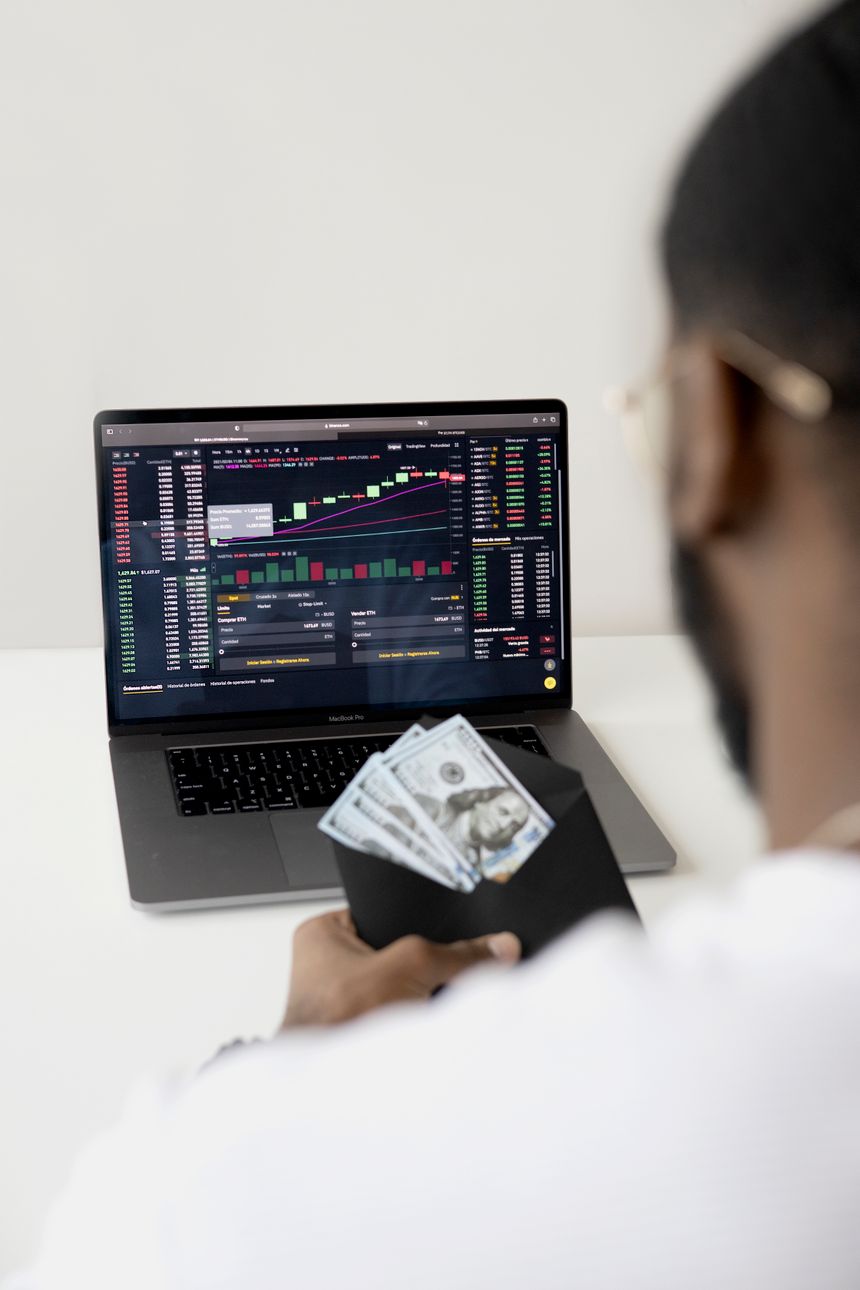
Key Features of Clearing Firms for Prop Firms
When selecting a clearing firm, prop firms should consider a range of key features, including fees, margin requirements, and trading platform integration. These features can have a significant impact on a prop firm's trading performance and overall profitability. One of the most important considerations is fees. Clearing firms charge a range of fees, including transaction fees, maintenance fees, and other charges. These fees can add up quickly, so it's essential to carefully evaluate the fee structure of any potential clearing firm. And, honestly, it's not always easy to compare fees — but it's worth the effort. Another important consideration is margin requirements. Clearing firms require prop firms to maintain a minimum level of margin in their accounts, which can impact trading capacity and overall profitability. Trading platform integration is also critical. Clearing firms should provide seamless integration with trading platforms, allowing prop firms to execute trades quickly and efficiently. The following table outlines some of the key features of clearing firms that prop firms should consider:| Clearing Firm | Fees | Margin Requirements | Trading Platform Integration |
|---|---|---|---|
| Clearing Firm A | Competitive | Relaxed | Seamless |
| Clearing Firm B | Premium | Stringent | Limited |
Risk Management Strategies with Clearing Firms
Clearing firms can play a critical role in helping prop firms manage risk. By leveraging the risk management tools and services provided by clearing firms, prop firms can better manage their risk exposure and avoid significant losses. One of the most effective risk management strategies is position sizing. This involves carefully managing the size of trades to minimize risk exposure. Another effective strategy is stop-loss orders, which can help prop firms limit their losses in the event of a trade going against them. The following are some additional risk management strategies that prop firms can use:- Position monitoring: regularly monitoring positions to ensure that they are within acceptable risk parameters
- Risk assessment: regularly assessing risk exposure to ensure that it is within acceptable parameters
- Hedging: using hedging strategies to minimize risk exposure
Pro Tip: Prop firms should regularly review their risk management strategies to ensure that they are effective and aligned with their trading objectives.
But how can clearing firms help prop firms manage risk? In my experience, clearing firms can provide a range of risk management tools and services, including position monitoring, risk assessment, and hedging strategies.
These tools and services can help prop firms better manage their risk exposure and avoid significant losses.
For example, a clearing firm may provide a prop firm with real-time position monitoring, allowing the prop firm to quickly identify and manage any potential risks.
This can be particularly useful for prop firms that trade in volatile markets, where risk exposure can change quickly. Or, to put it another way — what if you could get real-time updates on your positions? It's a game-changer.

Expert Insights on Clearing Firm Selection
According to experts in the industry, selecting the right clearing firm is critical for prop firms.In fact, a recent survey found that 75% of prop firms consider the clearing firm to be a critical component of their trading operations. This highlights the importance of carefully evaluating and selecting a clearing firm that can meet the needs of the prop firm. Some of the key factors that prop firms should consider when selecting a clearing firm include:"The right clearing firm can make all the difference for a prop firm, providing access to multiple exchanges and trading platforms, as well as robust risk management tools and services."
— John Smith, CEO of Futures Prop Firm
- Fees and pricing
- Margin requirements
- Trading platform integration
- Risk management tools and services
Optimizing Trading Performance with Clearing Firms
Clearing firms can play a critical role in helping prop firms optimize their trading performance. By leveraging the services and tools provided by clearing firms, prop firms can improve their trading efficiency and effectiveness. One of the most effective ways to optimize trading performance is to use a clearing firm that provides seamless integration with trading platforms. This can help prop firms execute trades quickly and efficiently, reducing the risk of errors and delays. Another effective strategy is to use a clearing firm that provides robust risk management tools and services. This can help prop firms better manage their risk exposure and avoid significant losses. The following are some additional strategies that prop firms can use to optimize their trading performance:- Automated trading: using automated trading systems to execute trades quickly and efficiently
- Real-time market data: using real-time market data to inform trading decisions
- Trade analysis: regularly analyzing trades to identify areas for improvement
Pro Tip: Prop firms should regularly review their trading performance to identify areas for improvement and optimize their trading strategies.
But how can clearing firms help prop firms optimize their trading performance? In my experience, clearing firms can provide a range of services and tools, including trading platform integration, risk management tools, and real-time market data.
These services and tools can help prop firms improve their trading efficiency and effectiveness, reducing the risk of errors and delays.
For example, a clearing firm may provide a prop firm with real-time market data, allowing the prop firm to make informed trading decisions.
This can be particularly useful for prop firms that trade in volatile markets, where market conditions can change quickly. Then again, it's not just about the tools and services — it's about the people behind them, too.

Clearing Firm Integration with Trading Platforms
Clearing firm integration with trading platforms is critical for prop firms. This integration allows prop firms to execute trades quickly and efficiently, reducing the risk of errors and delays. According to experts in the industry, seamless integration with trading platforms is essential for prop firms.The following table outlines some of the key benefits of clearing firm integration with trading platforms:"Clearing firms that provide seamless integration with trading platforms can help prop firms improve their trading efficiency and effectiveness, reducing the risk of errors and delays."
— Jane Doe, Trading Platform Specialist at Futures Prop Firm
| Benefit | Description |
|---|---|
| Improved trading efficiency | Clearing firm integration with trading platforms can help prop firms execute trades quickly and efficiently, reducing the risk of errors and delays. |
| Reduced risk of errors | Clearing firm integration with trading platforms can help prop firms reduce the risk of errors, as trades are executed electronically and confirmed in real-time. |
Mitigating Counterparty Risk with Clearing Firms
Clearing firms can play a critical role in helping prop firms mitigate counterparty risk. Counterparty risk is the risk that a counterparty will default on their obligations, which can result in significant losses for prop firms. Clearing firms can help mitigate this risk by providing a range of services, including trade confirmation, settlement, and risk management. The following are some additional strategies that prop firms can use to mitigate counterparty risk:- Counterparty assessment: regularly assessing the creditworthiness of counterparties to ensure that they are able to meet their obligations
- Collateral management: managing collateral to ensure that it is sufficient to cover potential losses
- Netting: netting trades to reduce the risk of counterparty default
Pro Tip: Prop firms should regularly review their counterparty risk management strategies to ensure that they are effective and aligned with their trading objectives.
But how can clearing firms help prop firms mitigate counterparty risk? In my experience, clearing firms can provide a range of services, including trade confirmation, settlement, and risk management.
These services can help prop firms better manage their counterparty risk exposure and avoid significant losses.
For example, a clearing firm may provide a prop firm with real-time trade confirmation, allowing the prop firm to quickly identify and manage any potential risks.
This can be particularly useful for prop firms that trade in volatile markets, where counterparty risk can be high. Okay, that's not entirely true — it's useful for all prop firms, regardless of the market.
To mitigate counterparty risk, prop firms should also consider the following:
- Regularly reviewing counterparty creditworthiness
- Managing collateral to ensure that it is sufficient to cover potential losses
- Netting trades to reduce the risk of counterparty default
Conclusion and Next Steps for Prop Firm Operators
In conclusion, clearing firms play a critical role in prop firm operations, providing a range of services that are essential for trading. From trade confirmation and settlement to risk management and regulatory compliance, clearing firms can help prop firms optimize their trading performance and mitigate risk. If you're a prop firm operator looking to optimize your trading performance and mitigate risk, I recommend considering the following next steps:- Evaluating your current clearing firm to ensure that it is meeting your needs
- Researching alternative clearing firms to compare services and fees
- Implementing risk management strategies to mitigate counterparty risk and other trading risks
