Understanding Futures Prop Trading
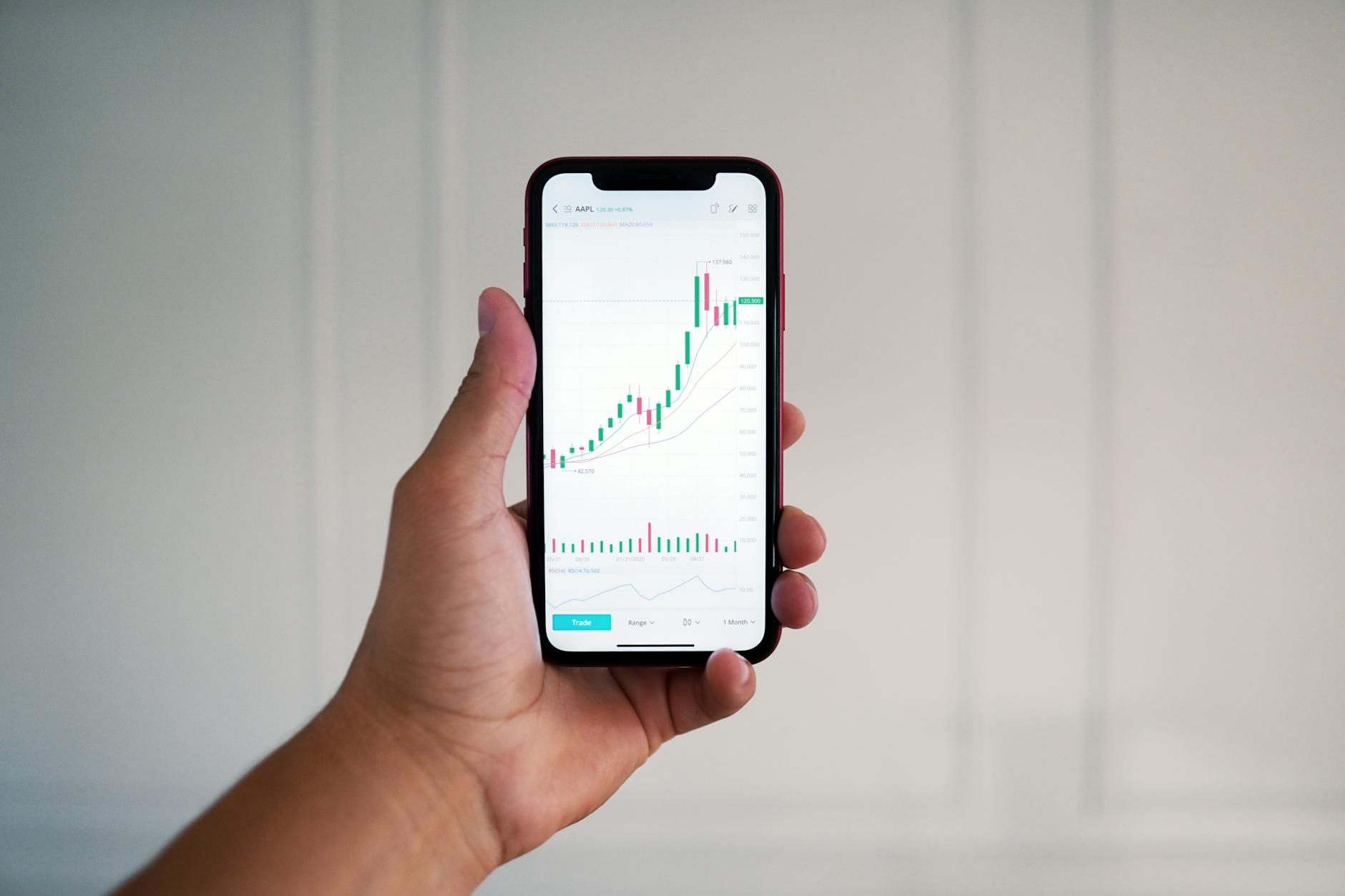
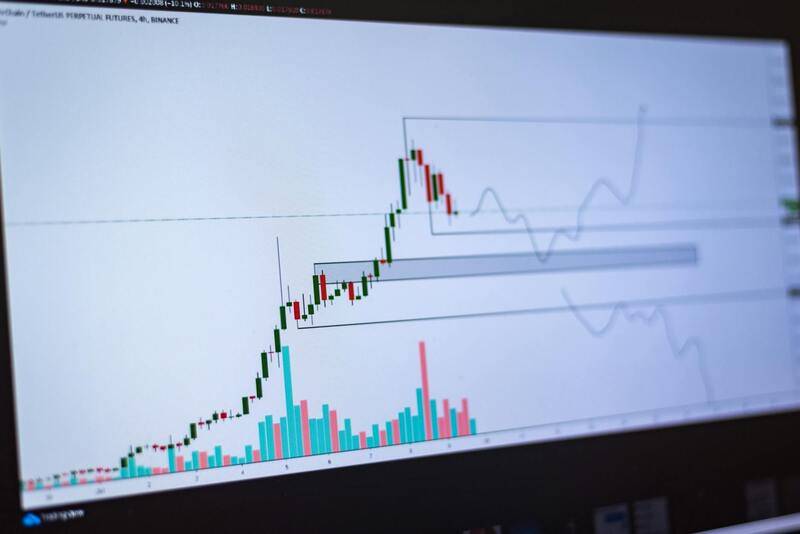
Futures proprietary trading, commonly termed futures prop trading, involves individuals or traders utilizing a firm's capital to execute trades on futures markets. This method enables traders to leverage the firm's resources, providing access to significant trading funds without the need for their own large capital base. Unlike traditional trading, where investors trade their own money through brokerage accounts, futures prop trading takes place within a structured environment where the firm provides the trading capital, risk management frameworks, and support infrastructure.
Futures contracts are agreements to buy or sell an asset at a predetermined price at a set future date. These contracts are used across commodities, indices, currencies, and various other financial instruments. Futures prop traders employ these contracts to speculate on price movements, hedge positions, or generate income by executing well-researched trading strategies. The primary advantage of such arrangements is the potential to significantly amplify trading potential through leverage—since futures contracts inherently involve leverage, allowing traders to control larger positions with a relatively small amount of capital.
Within the landscape of proprietary trading, futures prop firms stand out for their specialization and focus on futures markets. These firms facilitate the connection between skilled traders and substantial trading funds. The firm generally manages risk and provides training, trading platforms, and performance incentives. Traders, on their part, must meet certain criteria and demonstrate a steady, disciplined approach to trading. This partnership enables trading professionals to focus on strategy development and execution while the firm manages operational and financial logistics.
Key Features of Futures Prop Firms
- Leverage Opportunities: Access to large trading capital with controlled risk exposure.
- Structured Trading Programs: Clear rules, risk limits, and performance metrics to guide trading activities.
- Performance Incentives: Profit-sharing arrangements motivate consistent performance and discipline.
- Training and Support: Educational resources, mentorship, and advanced trading platforms enhance skill development.
- Risk Management: Strict protocols to monitor and control potential losses, ensuring the firm's sustainability.
Requirements for Starting Prop Trading
To begin a career in futures prop trading, traders typically need to meet specific prerequisites. These may include a proven track record of disciplined trading, adequate knowledge of futures markets, or passing an evaluation process that assesses trading skills and risk management capabilities. Most firms seek traders with a solid understanding of technical analysis, market psychology, and trading discipline.
In addition to skill assessments, some firms require traders to undergo training sessions or certification programs before granting access to live trading accounts. This phase helps ensure that traders understand the firm's risk policies and operational procedures. Having a functional trading plan, risk management strategies, and a disciplined approach are crucial for new entrants seeking to transition into futures prop trading.

Understanding Futures Prop Trading
Successfully embarking on a futures prop trading career requires a comprehensive understanding of how these firms operate and what they offer to traders. Futures proprietary trading firms create an environment where skilled traders can access significant market capital, allowing them to execute larger trades than they might manage independently. These firms typically provide structured trading programs, where rules, risk parameters, and performance metrics are clearly delineated, ensuring transparency and consistency in trading activities.
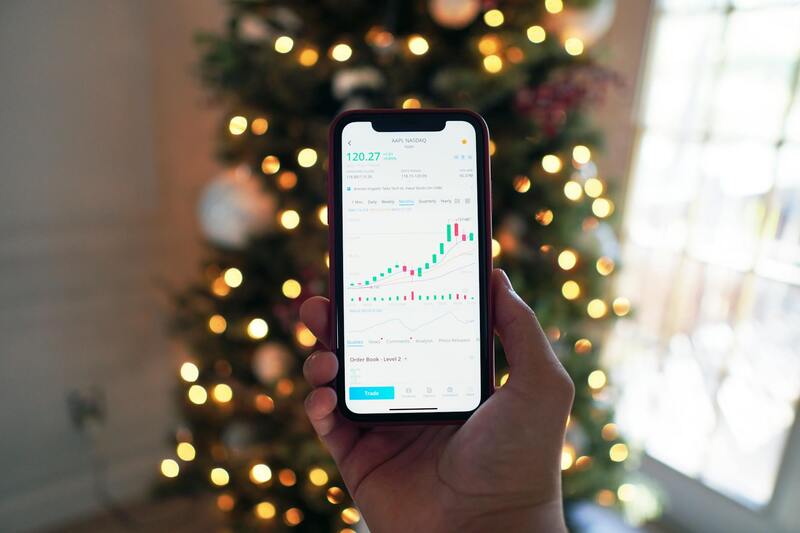
One of the most appealing aspects of futures prop trading is the profit-sharing arrangement. Performance incentives motivate traders to maintain discipline and consistency, as their earnings are directly linked to their trading success. Through well-designed reward structures, traders are incentivized not only to maximize profits but also to adhere strictly to risk management protocols.
In addition to monetary rewards, traders benefit from access to educational resources and advanced trading platforms. Many firms provide mentorship programs, workshops, and ongoing training sessions to promote continuous skill development. These initiatives are vital in refining traders’ technical analysis capabilities, market psychology understanding, and strategic planning skills.
Risk management remains a cornerstone of futures prop trading. Firms implement strict protocols to monitor and regulate potential losses, ensuring the sustainability of both individual traders and the firm as a whole. These include predefined stop-loss levels, position size limits, and real-time monitoring systems. Effective risk control measures reduce the chances of catastrophic losses and maintain operational stability in volatile markets.
Prior to starting, traders often undergo a comprehensive evaluation process that assesses their trading skills, discipline, and risk management aptitude. This process typically involves simulated trading assessments or trading competitions designed to replicate real market conditions. Traders must demonstrate consistent profitability and adherence to risk rules to qualify for a funded account.
Furthermore, many firms require traders to complete training programs or obtain certifications demonstrating their understanding of operational procedures and risk policies. Developing a solid trading plan and risk management framework is essential for new entrants aspiring to transition into futures prop trading, laying a foundation for sustained performance and growth within these firms.

Assessing Skills and Preparing for Entry
Before entering a futures prop trading environment, aspiring traders should focus on honing their trading skills through disciplined practice and education. This involves mastering technical analysis, understanding market structures, and developing a proven trading methodology. Many traders learn through simulation platforms, where they can refine their strategies without risking real capital.
Building a robust trading plan that incorporates thorough risk management strategies is equally important. A well-defined plan helps maintain discipline during volatile market conditions, as emotional decision-making often leads to losses. Traders should also familiarize themselves with the specific rules and operational procedures of their chosen prop firm to ensure compliance and smooth account management once funded.
Ongoing education and self-assessment help traders adapt to changing market dynamics and improve their trading consistency. Through diligent preparation, traders can establish a disciplined approach that aligns with the expectations of futures prop firms, positioning themselves for long-term success in the competitive landscape of futures trading.
Requirements for Starting Prop Trading
Embarking on a futures prop trading journey requires meeting specific criteria set by established firms. These requirements are designed to ensure that aspiring traders possess the foundational skills, discipline, and understanding necessary to succeed within a professional trading environment. Typically, candidates must pass comprehensive trading evaluations that assess their ability to execute strategies effectively, adhere to risk management protocols, and demonstrate consistency over simulated or real trading periods. Successfully meeting these benchmarks indicates readiness to handle real capital and integrate into the firm’s operational framework.
In addition to trading tests, most futures prop firms impose risk management criteria. Candidates are expected to showcase proficiency in setting appropriate stop-loss and take-profit levels, maintaining risk per trade within prescribed limits, and implementing diversification strategies to manage exposure. These measures safeguard both the trader and the firm from disproportionate losses, promoting a sustainable trading approach.
Entry conditions often include minimum trading capital requirements, completion of educational modules, or passing specific assessments related to market analysis and trading psychology. Some firms may require proof of prior trading experience or relevant financial knowledge, while others prioritize a trader’s ability to follow disciplined procedures. Meeting these requirements is fundamental for those looking to join a futures prop trading firm and take advantage of the operational support and leverage offered.

Choosing the Best Futures Prop Firm
Selecting an optimal futures prop firm involves evaluating key factors such as reputation, fee structure, payout terms, and technological support. A reputable firm provides clear guidelines, comprehensive training, and transparency in operations, fostering an environment conducive to trader growth. Fee structures vary, with some firms charging initial deposits, platform fees, or profit splits. Understanding these terms upfront helps traders estimate potential earnings and costs.
Technology infrastructure is an additional critical consideration. Robust trading platforms, real-time data feeds, and reliable customer support are vital for effective operations. Firms that offer demo accounts or trial periods enable potential traders to assess platform functionality and compatibility with their trading styles. Additionally, review the firm's policies regarding funding, withdrawal procedures, and risk management—these influence overall trading experience and financial stability.
Getting insights from current or former traders about the firm’s culture and support systems can reveal valuable information that complements formal research. An ideal futures prop firm aligns with a trader’s objectives, offering growth opportunities, mentorship programs, and fair profit sharing arrangements. Making an educated choice in this regard lays a solid foundation for long-term success in futures trading.
Funding and Account Management
Once accepted into a futures prop trading program, the process of funding the trading account begins. Typically, traders are provided with a virtual or real trading account, often funded in stages based on performance benchmarks or initial deposit requirements. Effective account management hinges on disciplined trading practices, a comprehensive understanding of margin requirements, and adherence to risk limits established by the firm.
Traders must develop a detailed plan for managing their trading capital, including setting daily profit targets and loss limits. Regular monitoring of account balances, trade entries, and risk exposures ensures adherence to firm policies. This systematic approach minimizes emotional trading and helps maintain consistent performance over time.
In many cases, accounts are structured with tiered leverage options, enabling traders to optimize their trading capacity without overexposing themselves to risk. Proper management of leverage and capital allocation is crucial, as it enhances the trader’s ability to capitalize on market opportunities while controlling potential losses. Transparent communication with the firm regarding account status and ongoing performance is essential for continued support and growth.

Discounts and Promotions
Many futures prop firms offer incentives in the form of discounts, promotional funding, or performance bonuses to attract new traders. These promotions are often geared towards providing additional capital or reducing initial costs, making it easier for traders to start or expand their trading activities. Promotions may include reduced fee structures, free access to educational resources, or eligibility for profit-sharing bonuses based on performance milestones.
Understanding the terms and conditions surrounding these incentives ensures traders can maximize their benefits. For example, some promotions require meeting specific trading volume requirements or maintaining certain performance standards. Carefully evaluating these offers before committing allows traders to leverage extra resources effectively, accelerating their development and earning potential within the firms’ frameworks.
Continually staying informed about seasonal or limited-time offers can provide additional opportunities to optimize trading strategies and account growth. Firms often update their promotional packages based on market conditions or company policies, so remaining engaged with official communications is advantageous.
Starting and Scaling in Futures Prop Trading
Entering the futures trading arena marks just the beginning of a trajectory that can be scaled through strategic growth and consistent performance. Many prop firms support traders in scaling their accounts by increasing trading limits or providing additional capital as they prove their ability to generate sustainable profits. This process often involves reaching predefined performance milestones, adherence to risk protocols, and continuous skill development.
Effective scaling requires a focus on disciplined trading routines, ongoing education, and rigorous risk management. Traders who consistently meet profit targets while controlling losses position themselves for account expansion and higher leverage options. Mentorship and community support from these firms can further accelerate growth, fostering an environment of shared learning and accountability.
As traders gain experience and confidence, they can diversify their trading strategies, explore additional markets, and leverage advanced tools supplied by their prop firm. This approach not only broadens their trading horizons but also enhances overall profitability. Strategic scaling is fundamental for turning initial trading efforts into a sustainable and lucrative career path within futures prop trading environments.
Required Skills and Knowledge for Success in Futures Prop Trading
Embarking on a futures prop trading career demands more than just a willingness to trade; it requires a comprehensive skill set rooted in technical expertise, market awareness, and disciplined execution. Prospective traders should develop a solid understanding of market structures, including the mechanics of futures contracts, order types, and trading platforms. Familiarity with real-time data analysis allows traders to identify optimal entry and exit points, reducing exposure to unfavorable price movements.
Risk management stands at the core of sustainable futures trading. This encompasses setting strict stop-loss and take-profit levels, understanding leverage implications, and maintaining diversified trading strategies. A disciplined approach to position sizing and capital allocation helps preserve capital and mitigate losses, especially during volatile market periods. Successful traders also continually refine their strategies through backtesting and paper trading—methods that allow assessment of potential performance without risking real capital.

Continuous education is vital to adapt to evolving markets and regulatory landscapes. Many trader development programs offered by prop firms include regular training sessions, webinars, and mentorship opportunities designed to elevate trading competencies. Furthermore, maintaining a journal of trades and reviewing performance analytics enable traders to identify strengths and areas for improvement, fostering a cycle of constant development.
Developing a Strategic Trading Plan
A clear and structured trading plan provides a roadmap for consistent performance. It should outline specific entry and exit criteria, risk limits, and objectives aligned with the trader’s experience and risk tolerance. Employing a systematic approach reduces impulsive decisions and enhances overall consistency. Incorporating guidelines for trade management, such as adjusting stop-losses or scaling into positions, ensures flexibility without sacrificing discipline.
Adhering strictly to the trading plan underpins success in futures prop environments. Regardless of market conditions, disciplined execution preserves capital and builds a reliable track record—crucial when applying for account scaling opportunities with the prop firm.

Utilizing Technology and Tools Effectively
A key advantage of futures prop trading is the access to advanced technological tools that support trades. Charting software, algorithmic trading bots, and real-time news feeds enable traders to make informed decisions swiftly. Integrating these tools into a trading routine can improve accuracy and reaction times, reducing emotional biases that often hinder trading performance.
Many prop firms provide customized platforms with risk management modules and analytics dashboards that help traders monitor their performance and adhere to firm-specific protocols. Leveraging automation within this infrastructure can streamline routine tasks and enhance precision, freeing traders to focus on strategic decision-making.
Maintaining Proper Capital and Account Management
Effective capital management forms the backbone of a successful futures trading career. Traders should allocate capital based on their trading objectives and risk appetite, ensuring resilience against periods of loss. Proper account management includes setting realistic profit goals and recognizing when to pause or reevaluate strategies after consecutive losses.
Regularly reviewing account performance against established benchmarks allows traders to adapt their approaches and avoid overexposure. Properly managing leverage is also critical, as it can amplify gains but equally magnify losses. Maintaining a conservative leverage stance during initial phases helps build confidence and stability, paving the way for gradual account expansion.

Building a Professional Trading Routine
Success in futures prop trading depends heavily on establishing a disciplined daily routine. This includes pre-market analysis, reviewing news and economic reports, and setting specific trading objectives. During trading sessions, adherence to predefined strategies and risk controls minimizes emotional reactions to market fluctuations.
Post-market review sessions help identify what worked, what didn’t, and provide insights for future trades. Continual evaluation and adjustment of methods ensure ongoing improvement and the ability to adapt to new market dynamics.
Maintaining a professional, focused approach fosters consistency, builds confidence, and enhances overall profitability in the competitive environment of futures prop trading.
Understanding Futures Prop Trading
Futures proprietary trading involves trading futures contracts using capital provided by a firm rather than personal funds. This structure allows traders to leverage the firm's resources to access larger markets and potentially generate higher profits. The primary goal is to execute trades based on market analysis, timing, and risk management strategies, with the firm bearing the financial risk. Success in futures prop trading hinges on disciplined execution, consistent strategy application, and effective risk controls.
Operational Framework of Futures Prop Trading
Within a futures prop environment, traders operate under predefined rules and guidelines established by the firm. They typically receive training, trading platforms, and risk management tools that support strategic decision-making. These firms often emphasize a culture of accountability and continuous learning, encouraging traders to evolve their tactics and improve performance over time. The model fosters an environment where skilled traders can focus solely on trading, without the need to worry about capital constraints.
Advantages of Futures Prop Trading
- Access to substantial trading capital, enabling bigger position sizes and diversification.
- Reduced personal financial risk, as the firm absorbs potential losses.
- Structured risk management and support from experienced traders and mentors.
- Focus on trading strategy and skill development without capital concerns.
- Opportunity to participate in professional trading communities and resources.
Key Features of Futures Prop Firms
Futures prop firms can differ significantly in their operational models, but certain key features are commonly observed across reputable programs. These features are designed to build a transparent, supportive environment for traders aiming to develop their careers in futures trading.
Comprehensive Evaluation Process
Most firms conduct thorough assessments, including trading simulations or evaluation phases, to identify traders' skills and risk management capabilities. These assessments ensure that only disciplined and capable traders access firm capital. During these phases, traders often need to demonstrate consistent profitability and adherence to risk protocols.
Profit-Sharing Arrangements
Profit split models are typical, where traders keep a percentage of their profits in exchange for trading capital and support. The percentages vary depending on the firm's policies, risk-sharing agreements, and trader experience. Transparent payout formulas ensure clarity and motivate traders to meet performance targets.
Risk Management Protocols
Effective risk controls are central to futures prop trading. Firms implement daily loss limits, position size restrictions, and trailing stops to prevent excessive losses. Traders are trained to follow these protocols strictly, which preserves capital and promotes sustainable growth.
Ongoing Development and Support
Leading futures prop firms offer continuous education, mentorship, and technical resources. This supports traders in refining their strategies, understanding market dynamics, and managing emotional responses during trading. Such initiatives are critical in fostering a professional and resilient trading environment.

Requirements for Starting Prop Trading
Engaging in futures prop trading requires a combination of technical skills, psychological readiness, and adherence to specific prerequisites set by firms. Establishing a solid foundation before joining a program is essential for success and long-term growth.
Basic Knowledge of Futures Markets
Prospective traders should possess a strong understanding of futures contracts, market mechanisms, and economic indicators influencing commodity, index, and currency markets. Familiarity with trading platforms, order types, and technical analysis tools is also vital for effective execution.
Trading Discipline and Psychological Preparedness
Successful futures traders demonstrate discipline, patience, and emotional control. The ability to follow predetermined trading plans and risk parameters reduces impulsive decisions that could lead to losses. Psychological resilience helps traders withstand market volatility and recover from setbacks.
Technical Skills and Experience
While formal qualifications are typically not mandatory, demonstrable trading experience and a proven track record are highly valued. Participating in simulated trading environments or demo accounts can help develop skills and build confidence before transitioning into funded accounts.
Meeting Specific Firm Criteria
- Completion of an assessment or evaluation phase, often involving simulated trading challenges.
- Adherence to minimum profit and risk management standards during testing periods.
- Demonstrated consistency and discipline over structured testing durations.
- Agreement to abide by trading rules, profit-sharing arrangements, and conduct policies.
Understanding Futures Prop Trading
Entering the realm of futures proprietary trading (prop trading) involves more than simply opening a trading account. It requires an in-depth understanding of the processes, tools, and methodologies that enable traders to efficiently capitalize on market opportunities using a firm's capital. Prop trading firms provide traders with the necessary infrastructure, capital, and support, typically under a structured set of rules designed to encourage disciplined trading practices. These firms evaluate prospective traders through rigorous testing phases to ensure they possess the skills and mindset required to succeed in the fast-paced futures markets.

To start with prop trading, traders must first demonstrate a solid grounding in trading fundamentals, discipline, and risk management. This process often involves initial assessments that simulate real trading environments, allowing firms to observe a trader's decision-making processes under pressure. The aim is to identify traders who consistently adhere to predetermined risk parameters, exhibit patience, and demonstrate adaptability to market shifts. Once a trader successfully passes these evaluations, they gain access to firm capital and trading infrastructure, marking the transition from demo or simulated trading to real markets with actual financial backing.
Key Features of Futures Prop Firms
Futures prop firms are distinguished by several defining features that attract traders seeking professional growth and capital access:
- Capital Allocation: Firms provide traders with a trading account funded by the firm's capital, rather than using personal funds. This arrangement allows traders to scale their operations without risking their own money directly.
- Structured Evaluation: Before gaining full access, traders typically undergo a rigorous trading challenge or evaluation, which tests their skills, discipline, and risk management over a defined period.
- Profit Sharing Agreements: Most firms operate on a profit-sharing basis, where traders receive a percentage of their profits after meeting specific targets, incentivizing consistent performance.
- Risk Management Protocols: Stringent risk controls are enforced, including daily loss limits, position sizing rules, and mandated trading plans, ensuring both trader and firm protection against large losses.
- Training and Support: Many top-tier firms offer ongoing educational resources, mentorship programs, and trading tools to help traders improve and adapt to evolving markets.
Image Placeholder

Requirements for Starting Prop Trading
Those eager to begin futures prop trading must meet a set of official and methodical requirements designed to ascertain their readiness and fit for professional trading environments. These prerequisites encompass both skill-related and behavioral criteria:
- Educational and Market Knowledge: A robust understanding of futures markets, trading platforms, order types, and technical analysis is essential. This knowledge forms the basis for making informed trading decisions.
- Assessment Performance: Successful completion of simulated trading challenges or evaluations proves an individual’s ability to generate consistent profits while managing risks effectively.
- Discipline and Emotional Control: Demonstrating the ability to adhere strictly to trading plans and risk parameters during evaluations indicates readiness to handle real market volatility.
- Experience: Although formal qualifications aren’t mandatory, having a record of trading experience, even in demo accounts, boosts credibility and performance likelihood.
- Compliance with Criteria: Firms often have minimum profit objectives, risk management standards, and behavioral expectations that applicants must meet during testing phases.
- Official Documentation: Verification documents, such as identity proof, trading history, and financial statements, are typically required as part of the onboarding process.
Image Placeholder

Legal and Industry Considerations
When embarking on a futures prop trading journey, understanding the formal framework encompassing industry standards and operational protocols is essential. While explicit references to legal compliance are omitted here, traders should be aware of the typical procedures that govern responsible trading activities. Adhering to these standards ensures smooth integration into the trading environment and fosters a professional approach.
Operating within the industry entails maintaining comprehensive records of trading activity, which supports transparency and accountability. This includes meticulous documentation of trades, account movements, and communications with the firm. Such record-keeping facilitates performance evaluation and aids in identifying areas for improvement.
Most firms implement established risk management protocols designed to protect both the trader and the organization. These measures often include predefined risk limits per trade, daily loss caps, and automated alerts to prevent significant capital drawdowns. Traders are expected to follow these protocols rigorously to sustain their trading privileges.
Continuing education and staying updated with market developments are encouraged practices. This includes engaging with official materials, participating in training sessions, and leveraging educational resources provided by the firm or industry associations. Such activities enhance traders’ understanding and help them align their strategies with current market conditions.

In addition, traders should cultivate adherence to ethical trading practices, including honest disclosure of trading activities and compliance with the firm’s code of conduct. This approach not only maintains a professional reputation but also fosters a trustworthy trading environment.
Starting Prop Trading with Certified Methods
Engaging in futures prop trading through the right channels ensures a stable foundation for your trading career. Authentic pathways such as working directly with established firms, obtaining professional training, and leveraging verified educational resources provide a clear route to success. These methods typically involve rigorous assessment and adherence to predetermined standards, reinforcing a professional approach from the outset.

Collaborations with Industry-Leading Prop Firms
Partnering with reputable futures prop firms that comply with industry standards enables traders to access the necessary capital and infrastructure. These firms usually require a detailed evaluation process, including a review of your trading plan, risk management strategies, and past performance if available. Successful onboarding involves demonstrating suitability for trading, which is often verified through simulation accounts or trial periods.
Certification and Training Programs
Participating in certified trading courses and workshops led by recognized industry professionals enhances your understanding of futures markets and trading techniques. Many official programs provide validation in the form of certificates, which can be used as proof of your competency when approaching prospective firms or investors. Such educational avenues are designed to instill discipline, improve technical skills, and ensure that traders are well-prepared for the complexities of futures trading.
Obtaining Official Licenses and Accreditations
While direct licensing for trading futures does not typically require individual certifications, engaging with authorized entities that offer compliance-related education or credentials is recommended. These credentials can demonstrate your commitment to adhering to established standards and facilitate connections with established firms. Moreover, having formal recognition of your trading competencies adds a layer of professionalism that can be advantageous in negotiations and account openings.
Building a Robust Trading Profile
Developing a comprehensive trading profile based on transparent and verified data is a significant step in establishing credibility within the industry. This includes maintaining detailed trading records, submitting verified performance reports, and consistently demonstrating disciplined risk management. Such practices not only reinforce your reputation but also streamline the process of securing funding from prop firms.
Utilizing Verified Market Resources
Accessing official market data, reputable trading software, and industry-approved analytical tools is fundamental for maintaining accurate and professional trading practices. These resources ensure that your strategies are based on reliable information, fostering confidence among potential partners and funders. Furthermore, they help in refining your trading techniques by providing insights into market patterns, volatility, and technical signals.
Participating in Industry Events and Forums
Attending recognized industry conferences, seminars, and trading expos provides opportunities for networking with seasoned professionals and learning from industry leaders. Participation in these sanctioned events often involves credentials or registrations that affirm your credibility. Such engagement also keeps you updated on official industry standards, regulatory changes, and best practices, which are essential for sustainable trading activities.