Understanding Prop Trading and Futures Prop Firms
Proprietary trading, commonly referred to as prop trading, involves trading financial instruments using a firm's own capital rather than clients' funds. This approach allows trading entities to capitalize on market opportunities with the primary goal of generating profit from their own trading strategies and expertise. Prop trading firms operate as specialized financial institutions focused on market speculation, employing traders who leverage advanced tools and proprietary algorithms to execute trades across various markets, including stocks, commodities, currencies, and derivatives.
Futures prop firms are a distinct category within this landscape, focusing exclusively on futures contracts. Futures are standardized agreements to buy or sell an asset at a predetermined price at a specified future date. They are widely used for hedging and speculation, spanning markets such as agricultural products, metals, energies, and financial instruments. Futures prop firms act as traders who operate with their own capital, utilizing proprietary systems and market insights to capitalize on price movements in futures markets.
The core advantage of futures prop firms lies in their ability to deploy advanced technology, structured trading strategies, and dedicated risk management practices to maximize profitability. They differentiate themselves from other trading operations primarily through scale, specialization, and rigorous trading protocols. Unlike asset management firms that handle client funds, futures prop firms retain full control over their capital, making them more agile and responsive to market shifts.

A key element of futures prop trading is the emphasis on professional training and systematic analysis. Traders within these firms often have specialized expertise in technical analysis, market psychology, and algorithmic trading. They operate within a structured environment that emphasizes disciplined trading methods, risk controls, and performance evaluation, aiming to optimize returns while mitigating downside risks.
For entrepreneurs considering starting their own prop trading firm, understanding the fundamental role of futures prop firms in the financial markets is essential. This knowledge forms the foundation upon which to build a comprehensive business plan, secure appropriate resources, and develop effective operational procedures. Establishing a futures prop firm requires a strategic approach, combining industry knowledge with sound financial planning and technological infrastructure to ensure long-term success.
Understanding Prop Trading and Futures Prop Firms
Prop trading firms specializing in futures contracts operate as sophisticated entities that leverage proprietary capital to execute trades across diversified markets. These firms play a pivotal role in liquidity provision, market efficiency, and price discovery within futures markets. For entrepreneurs aiming to establish their own futures prop trading firm, acquiring comprehensive knowledge about the operational dynamics and strategic advantages of such entities is fundamental.
Futures prop firms typically utilize a combination of cutting-edge trading technology, disciplined risk management protocols, and systematic trading strategies rooted in quantitative analysis. Their core objective is to generate consistent returns while maintaining robust control over exposure. Unlike traditional asset management firms that manage client funds, proprietary trading firms deploy their own capital, which grants them flexibility in executing strategies and adjusting to dynamic market conditions.
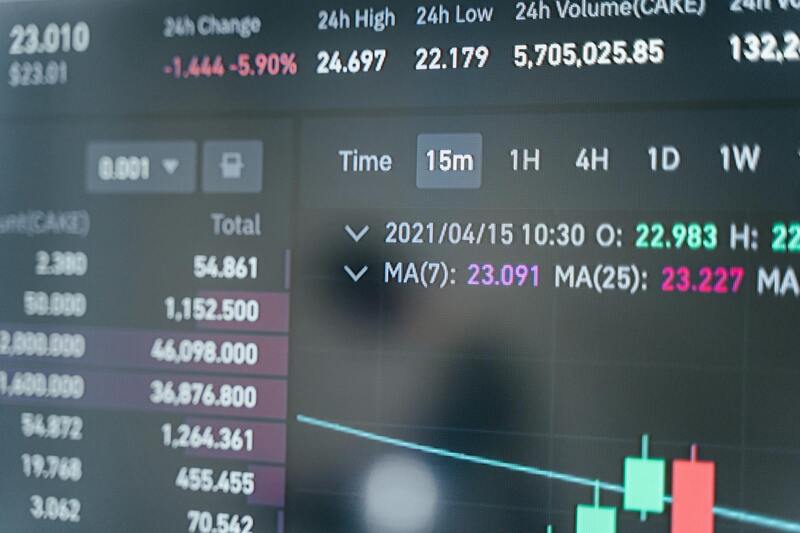
At the heart of futures prop trading is an emphasis on professional training and continuous skill development. Traders in these firms are often experts in various domains such as technical analysis, algorithmic trading, and market psychology. Their work environment fosters disciplined trading practices, meticulous risk controls, and performance evaluation systems designed to refine strategies and improve profitability over time.
Starting your own prop trading firm involves understanding these core operational elements and adapting them to your business model. It requires a combination of industry-specific knowledge, financial acuity, and technological investment. Developing a strategic plan that addresses trading methodologies, risk management procedures, and infrastructure setup is vital in creating a sustainable and profitable enterprise.

Operational success hinges on cultivating a skilled team of traders, deploying sophisticated trading platforms, and implementing rigorous risk controls. Additionally, maintaining transparency and compliance with industry standards enhances credibility and operational integrity. For entrepreneurs, the initial focus should be on understanding the specific nuances of futures markets and aligning strategic goals with practical capabilities. Building a firm with a clear vision, robust technology, and disciplined trading culture paves the way toward establishing a reputable presence in the futures trading landscape.
Building a Business Plan for a Futures Prop Firm
Developing a comprehensive business plan is a critical step in establishing a successful prop trading firm. This plan acts as a roadmap, guiding operational strategies, financial planning, and growth trajectories. A well-structured business plan ensures clarity in goals and provides direction for navigating market challenges.
Key Components of a Business Plan
- Capital Requirements: Determining the initial capital needed for trading accounts, technology infrastructure, regulatory compliance, and operational expenses. Consideration should also be given to reserve funds for unforeseen circumstances and liquidity management.
- Trading Strategies: Establishing disciplined trading methodologies tailored to futures markets. This includes defining trading styles—whether trend-following, scalping, or algorithm-driven approaches—and setting benchmarks for performance evaluation.
- Risk Management Policies: Implementing strict risk controls to limit exposure, such as setting maximum drawdown limits, position sizing rules, and stop-loss protocols. Consistent risk oversight is essential for sustainable profitability.
- Operational Structure: Detailing the organizational hierarchy, roles, and responsibilities within the firm. This involves delineating functions for traders, risk managers, compliance officers, and support staff, ensuring clear communication channels and accountability.
Financial Planning and Forecasting
Accurate financial forecasts support strategic decision-making. Including projections for revenue, expenses, profit margins, and capital growth helps assess the firm’s viability. Incorporate stress tests and scenario analyses to anticipate potential market fluctuations and operational risks.
Market Analysis and Competitive Positioning
Conduct thorough research on current market trends, competitor strategies, and technological advancements. This insight enables the formulation of a differentiated value proposition, whether through unique trading strategies, advanced technology, or superior trader training programs.
Operational Policies and Compliance
Define internal protocols for data security, trade execution, and risk monitoring. Establishing compliance guidelines aligned with industry standards promotes transparency and builds trust among investors and partners.

Securing Funding and Capital Investment
Securing sufficient funding is essential to sustain trading operations and finance growth initiatives. This involves sourcing capital from personal savings, private investors, or institutional partners. Each funding source comes with its own considerations regarding structure, control, and expectations.
Sources of Capital
- Personal Investment: Using personal wealth to finance initial setup costs and trading capital fosters independence but requires careful risk assessment.
- Angel Investors and Venture Capital: Engaging investors who are willing to fund promising trading strategies in exchange for equity or profit-sharing arrangements.
- Institutional Funding: Partnering with hedge funds or asset management firms that have an interest in proprietary trading opportunities.
Investor Pitch and Transparency
Developing a compelling pitch that clearly communicates the firm’s value proposition, risk management approach, and expected returns is key to attracting capital. Demonstrating operational transparency and providing detailed financial forecasts build investor confidence.
Legal Framework for Investment Agreements
Formalizing investment arrangements through enforceable agreements ensures clarity and protects the interests of all parties. Binding contracts outline investor rights, profit-sharing terms, and exit strategies, fostering long-term partnerships.

Establishing a Robust Compliance and Risk Management Framework
Creating a futures proprietary trading firm necessitates implementing a comprehensive compliance and risk management system that aligns with industry standards and best practices. Although explicit legal references are avoided, it remains vital to establish procedures to ensure trading operations are conducted responsibly and efficiently.
Developing internal controls and policies is fundamental to monitor trading activities, prevent misconduct, and enhance operational integrity. These policies should define trading limits, leverage controls, and procedures for reporting suspicious activity, thereby maintaining a disciplined trading environment.
Risk management is the backbone of a resilient prop trading firm. Establishing a formal risk assessment process helps identify potential vulnerabilities before they materialize. This includes setting predetermined thresholds for drawdowns, profit targets, and position sizes that align with the firm’s risk appetite.
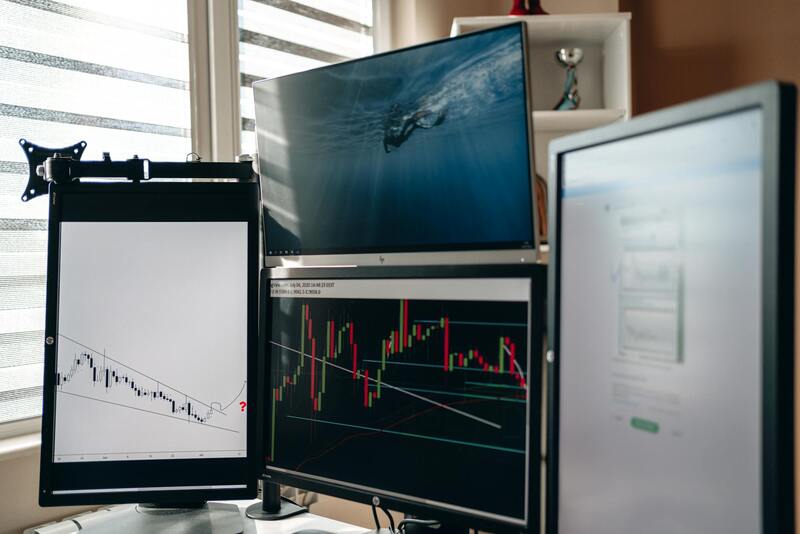
Automated risk monitoring tools can be integrated into the trading infrastructure to provide real-time oversight. These tools enable immediate response to abnormal trading patterns or losses, helping to mitigate adverse outcomes quickly. Coupled with manual oversight from experienced risk officers, this creates a dual-layer safeguard that enhances decision-making and preserves capital.
Leveraging Technology for Competitive Advantage
Investment in state-of-the-art trading technology is critical for operational efficacy and competitive edge. Modern trading platforms must be capable of high-speed execution, robust data analysis, and seamless connectivity to various markets. Choosing reliable data feeds and implementing advanced algorithms can significantly improve trade precision and timing.
Security measures should also be a priority, ensuring proprietary data and trading algorithms are protected from cyber threats. Deploying encryption protocols, firewalls, and secure network infrastructure safeguards sensitive information and maintains client and firm trust.
Operational and Human Resource Planning
Efficient operational management requires well-defined processes for trade execution, compliance monitoring, and financial record-keeping. Automating routine tasks not only reduces errors but also allows staff to focus on strategic decision-making.
Recruiting skilled traders and support personnel involves a meticulous vetting process to ensure alignment with the firm's trading philosophy and operational standards. Ongoing training programs and performance assessments contribute to continuously honing trader skills and maintaining high standards across the team.

By establishing a solid foundation in compliance, risk management, technology, and operational structure, a futures prop trading firm positions itself to navigate complex markets effectively and sustain long-term growth. Focusing on official, proven methods for setting up such a framework ensures the firm operates within sound parameters and upholds professional standards essential for success.
Setting Up Trading Infrastructure and Technology
Establishing a robust trading infrastructure is vital for the seamless operation of your futures prop trading firm. This infrastructure encompasses several critical components that enable efficient trade execution, real-time data analysis, and regulatory compliance.
At the core, selecting a reliable trading platform tailored for futures trading is essential. Platforms such as NinjaTrader, Trading Technologies, or CQG offer high-speed execution, customization options, and integration capabilities that align with professional trading strategies. These platforms facilitate order management, position tracking, and multi-asset trading, providing traders with the tools necessary for precision and efficiency.
Complementary to the trading platform, secure and uninterrupted data feeds are fundamental. Futures trading relies on live market data, including price movements, volume, and order flow. Investing in reputable data providers like Bloomberg, Thomson Reuters, or specialized futures data vendors ensures that your firm receives real-time, accurate information crucial for decision-making.
Risk management systems are another critical element. These tools enable automated monitoring of trading activities, enforce predefined risk limits, and automate stop-loss or take-profit orders. Advanced risk management software from providers like FpML or algorithms integrated within trading platforms helps safeguard capital and maintain compliance with internal policies and external regulations.
Compliance systems are equally vital, ensuring adherence to trading standards and reporting requirements. Implementing comprehensive compliance software helps record trades, monitor adherence to trading limits, and generate necessary documentation for audits. Automated compliance tools reduce manual oversight and mitigate the risk of oversight-related violations.
The integration of these components into a cohesive, secure, and scalable infrastructure guarantees that your futures prop firm operates efficiently and reacts promptly to market shifts.
Security and Maintenance Considerations
Cybersecurity measures, such as end-to-end encryption, firewalls, and intrusion detection systems, should be prioritized to protect sensitive trading data and client information. Regular security audits, software updates, and staff training on security awareness help prevent breaches and operational disruptions.
Ongoing maintenance of trading infrastructure involves system updates, redundancy planning to minimize downtime, and periodic assessments of technological performance. Establishing relationships with dedicated IT support providers specializing in trading systems ensures quick resolution of technical issues and continuous infrastructure optimization.
Visualizing Your Tech Stack
This integrated approach to technological setup underscores the importance of choosing proven solutions that provide speed, accuracy, security, and compliance. Carefully selecting and maintaining these tools serve as the backbone of a successful futures prop trading enterprise.
Setting Up Trading Infrastructure and Technology
Establishing a robust trading infrastructure is fundamental to the success of your futures prop trading firm. This process involves selecting, deploying, and maintaining hardware and software systems that facilitate seamless trading operations, ensure data security, and support compliance with industry standards. A well-architected technology stack not only enhances trading efficiency but also provides the scalability needed to accommodate growth.
Choosing Robust Trading Platforms and Software
Begin by selecting a trading platform that offers real-time market data, rapid order execution, and comprehensive risk management features. Many reputable vendors provide customizable solutions suited for prop trading firms, enabling integration with multiple data feeds and trading instruments. Automated trading software, algorithmic trading tools, and advanced analytics are key components that can give traders a competitive edge and improve decision-making accuracy.

Implementing Data Security and Compliance Measures
The security of your trading environment is paramount. Implement end-to-end encryption protocols to safeguard sensitive client data and trading strategies. Firewalls, intrusion detection systems, and secure access controls minimize unauthorized access risks. Regular security audits, password policies, and staff training on cybersecurity best practices bolster this security framework.
Compliance with industry standards involves maintaining detailed audit logs, trade records, and ensuring data integrity. Automated compliance tools can monitor trading activities in real-time, flagging anomalies or potential violations for immediate review. Establishing a dedicated IT support team familiar with trading systems enhances operational resilience and quick resolution of technical issues.
Ensuring Redundancy and Continuous Monitoring
Creating redundancy within your technological setup protects against system failures that could disrupt trading activities. This includes deploying backup servers, failover mechanisms, and reliable internet connections. Continuous monitoring of the system’s performance, latency, and security alerts helps identify and address issues proactively, minimizing downtime.
Regularly updating software and firmware ensures their resilience against emerging threats and bugs. Conducting periodic technological audits and performance assessments guarantees that your infrastructure remains optimized for high-frequency and complex trading strategies.
Visualizing the Tech Stack

Integrating these elements into a cohesive system helps create a competitive, secure, and scalable trading environment. The selection of reputable providers and continuous optimization of your tech stack are critical to maintaining an edge in the fast-paced futures markets.
Setting Up Trading Infrastructure and Technology
Establishing a robust technological framework is paramount for the efficient operation of a futures proprietary trading firm. This infrastructure not only supports the execution of trades but also ensures data security, compliance, and the capacity to adapt to market changes swiftly. Selecting the right trading platforms, data feeds, risk management tools, and security systems forms the core of your technological setup. High-performance trading software capable of handling high-frequency trading and low-latency data streams is essential to capitalize on market opportunities. Integrating hardware components such as professional-grade servers and network routers minimizes latency, providing a competitive edge in fast-moving markets.
Reputable data providers deliver real-time market data critical for informed decision-making. Advanced order management systems (OMS) streamline trade execution, reducing manual errors, and automating routine tasks. Risk management tools monitor exposure levels, enforce trading limits, and automate stop-loss orders to contain potential losses. Robust cybersecurity measures, including firewalls, encryption, and intrusion detection systems, safeguard sensitive information and trading activities from potential threats.

Continuous evaluation and updating of your technology stack are crucial to stay ahead in dynamic markets. Conduct regular performance audits, software updates, and security reviews to ensure system resilience. Implementing redundancy measures, such as backup servers and failover protocols, minimizes operational disruptions caused by technical failures. Monitoring system performance, latency, and security alerts enables timely responses to any anomalies, safeguarding ongoing trading activities.
Furthermore, fostering relationships with reputable technology providers and leveraging specialized trading hardware can enhance overall profitability. As markets evolve, so must your infrastructure, incorporating emerging technologies such as cloud computing solutions and AI-driven analytics to refine trading strategies and improve decision-making processes.
Securing Funding and Capital Investment
Launching a futures prop trading firm requires substantial capital, which can be sourced through various legitimate channels. Traditional avenues include personal savings, family and friends, or partner contributions. Alternatively, firms often seek external investments from accredited investors, venture capitalists, or institutional backers who recognize the potential of futures trading.
Presenting a compelling business plan that demonstrates risk management strategies, projected profitability, and operational scalability is essential to attract funding. Establishing transparent financial records and a clear allocation plan for the capital ensures trust and credibility with potential investors.
Strategic use of leverage can amplify trading capital but must be managed carefully within predefined risk parameters to prevent overexposure. Implementing a prudent leverage policy fosters sustainable growth while maintaining investor confidence. Additionally, securing lines of credit or establishing trading credit facilities are supplementary methods to increase trading capacity without immediate capital commitments.
Implementing Legal Structuring and Business Formation
Organizing your futures prop firm under an appropriate legal structure lays the foundation for operational legitimacy. Many founders choose LLCs or corporations, which offer liability protection and facilitate capital raising, tax planning, and compliance management.
Obtaining necessary licenses and registrations suited to futures trading ensures compliance with regulatory standards. Proper documentation, registration with relevant authorities, and adherence to reporting requirements help build a reputable business profile. Engaging experienced legal counsel to draft operating agreements, trader contracts, and risk disclosures bolsters your firm's credibility and safeguards against potential disputes.
Staffing and Trader Recruitment
Building a team of skilled traders is critical for sustained success. A thorough recruitment process should focus on candidates' trading experience, technical expertise, and risk management skills. Offering comprehensive training programs enhances their understanding of your trading strategies, compliance protocols, and technological tools.
Performance monitoring and ongoing education foster a disciplined trading environment. Incentive structures aligned with profitability and adhering strictly to compliance standards motivate traders while ensuring they operate within defined risk appetite. Developing a collaborative culture encourages knowledge sharing and continuous improvement, which are vital for adapting to changing market conditions.
Estimated Costs and Financial Planning for Your Prop Trading Firm
Establishing a futures prop trading firm necessitates a comprehensive financial plan that accounts for all potential expenditures and revenue streams. Precise budgeting ensures resource allocation aligns with strategic goals and operational demands, providing a clear pathway toward profitability.
Initial Capital Outlay
Launching your firm demands significant initial investment, including licensing fees, legal expenses, technology infrastructure, and initial trading capital. Obtaining the necessary trading accounts and infrastructure often involves substantial capital commitments, particularly when setting up robust, secure, and scalable trading systems.
Operational Expenses
- Technology and Infrastructure: Costs for trading platforms, data feeds, order management systems, and cybersecurity measures.
- Staffing: Salaries and benefits for traders, compliance officers, risk managers, and administrative personnel.
- Legal and Regulatory Fees: Ongoing compliance costs, licensing renewals, and legal counsel retainers.
- Office Space and Equipment: Rent, hardware, and utility expenses, or costs associated with remote operational setups.
- Marketing and Client Acquisition: Expenses for networking, branding, and outreach efforts to attract traders and investors.
Revenue Projections
Revenue streams primarily stem from trading profits, performance-based fees, or profit-sharing arrangements with traders, depending on your firm's specific model. Accurate forecasting involves analyzing historical market data, trader performance, and market volatility to predict potential returns and establish realistic profit targets.

Establishing Financial Milestones
Setting financial milestones guides your firm toward sustainable growth. These include break-even points, targeted profit margins, and periodic review points to adjust strategies based on market conditions and operational performance. Securing lines of credit or establishing relationships with financial institutions can provide additional liquidity to support expansion or unexpected costs.
Risk Management and Contingency Planning
Sound risk management involves maintaining sufficient capital buffers and diversifying trading strategies to mitigate market volatility. Contingency plans should include provisions for rapid capital infusion, operational downtime recovery, and regulatory changes, ensuring resilience during adverse market conditions.
Meticulous financial planning fortifies your firm's foundation, enabling you to withstand market fluctuations while pursuing consistent growth. Regular financial audits and performance reviews help identify areas for improvement and adaptation, essential for maintaining competitiveness in the dynamic landscape of futures trading.