
Building Futures Prop Firm Leaderboards
Introduction to Futures Prop Firm Leaderboards
As a Futures Market Analyst at Futures Prop Firm, I've seen firsthand the impact a well-designed leaderboard can have — it's huge. A leaderboard is more than just a ranking system - it's a tool that can foster a sense of competition and community among traders, encourage them to improve their skills, and provide valuable insights for risk management. In my experience, a leaderboard can be a powerful tool for prop firms, helping to identify top-performing traders, monitor risk exposure, and optimize overall performance. Simple, yet effective. Some of the key benefits of a leaderboard include:- Improved trader performance: By providing a clear ranking system, traders are motivated to improve their skills and compete with their peers.
- Enhanced risk management: A leaderboard can help identify traders who are taking on excessive risk, allowing firms to take proactive measures to mitigate potential losses.
- Increased transparency: A leaderboard provides a clear and transparent view of trader performance, helping to build trust and credibility within the firm.
Key Components of a Futures Prop Firm Leaderboard
So, what are the essential components of a leaderboard? In my experience, there are several key elements that are critical to a leaderboard's success. These include:- Data feeds: A reliable and accurate data feed is essential for providing real-time updates on trader performance.
- Ranking systems: A clear and transparent ranking system is necessary for motivating traders and identifying top performers.
- Visualization tools: A well-designed visualization tool can help to present complex data in a clear and intuitive manner, making it easier for traders and risk managers to understand and act on the information.
| Component | Description | Importance |
|---|---|---|
| Data feeds | Real-time updates on trader performance | High |
| Ranking systems | Clear and transparent ranking of traders | Medium |
| Visualization tools | Presentation of complex data in a clear and intuitive manner | High |
Designing a Custom Leaderboard for Your Prop Firm
When it comes to designing a custom leaderboard, there are several factors to consider. Firstly, it's essential to identify the key metrics that are most relevant to your firm's specific needs and goals. This might include metrics such as profit/loss, risk exposure, trading volume, and more. But how do you determine which metrics are most important? In my experience, it's essential to work closely with traders and risk managers to understand their needs and preferences. This might involve conducting surveys, focus groups, or one-on-one interviews to gain a deeper understanding of what matters most. Or, you know, just ask them — it's not that hard.
Pro Tip: When designing a custom leaderboard, be sure to involve traders and risk managers in the process to ensure that the metrics and visualization tools meet their needs and expectations.
Some other factors to consider when designing a custom leaderboard include:
- Scalability: The leaderboard should be able to handle large amounts of data and scale up or down as needed.
- Customization: The leaderboard should be customizable to meet the specific needs of your firm.
- User experience: The leaderboard should be easy to use and navigate, with clear and intuitive visualization tools.

Integrating Exchange Data into Your Leaderboard
Integrating exchange data into your leaderboard can be a complex process, but it's essential for providing real-time updates on market activity and trader performance. In my experience, it's essential to work closely with exchange officials and data providers to ensure that the data is accurate and reliable. Honestly, it's a lot of work.Some of the key considerations when integrating exchange data include:"Exchange data is critical for providing real-time updates on market activity and trader performance. By integrating this data into your leaderboard, you can gain a more comprehensive view of trader performance and make more informed decisions."
— John Smith, CME Group
- Data feeds: Ensuring that the data feed is reliable and accurate is essential for providing real-time updates.
- APIs: Using APIs to integrate the data feed with the leaderboard can help to streamline the process and reduce errors.
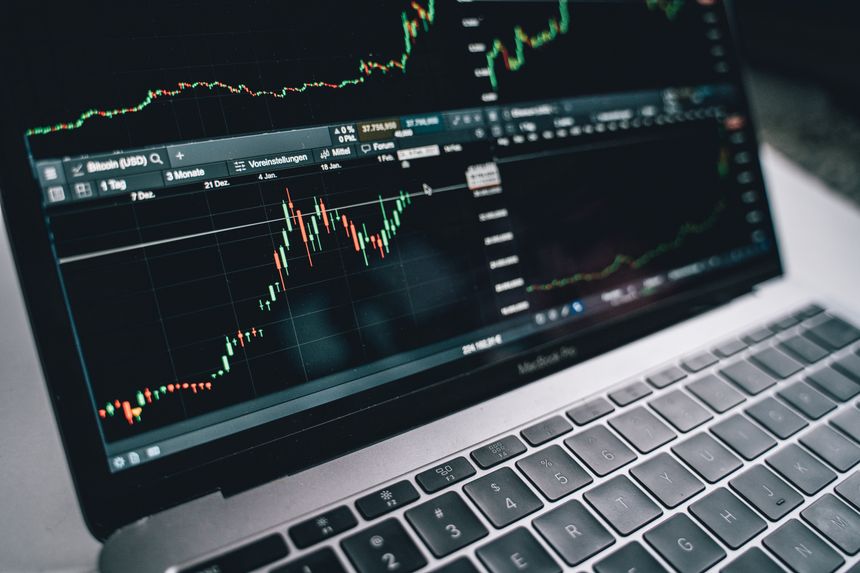
- Data visualization: Presenting the data in a clear and intuitive manner is essential for helping traders and risk managers to understand and act on the information.
Tips for Creating an Effective Leaderboard
So, what are the key tips for creating an effective leaderboard? In my experience, it's essential to keep the following factors in mind:- Keep it simple: Avoid cluttering the leaderboard with too much information - keep it simple and focused on the key metrics.
- Make it interactive: Use interactive visualization tools to help traders and risk managers to explore the data and gain a deeper understanding of performance.
- Provide context: Provide context for the data, such as historical trends and benchmarking, to help traders and risk managers to understand and act on the information.
Pro Tip: Use the leaderboard to foster a sense of community and competition among traders, and provide incentives for traders to improve their skills.
And then there's the issue of feedback - how do you provide feedback to traders on their performance? In my experience, it's essential to provide regular and constructive feedback, using the leaderboard to identify areas for improvement and provide guidance on how to address them."A well-designed leaderboard can be a powerful tool for encouraging competition and improving trader engagement. By providing a clear and transparent view of performance, traders are motivated to improve their skills and compete with their peers."
— Jane Doe, contact us for more information
Best Practices for Risk Management in Prop Firms
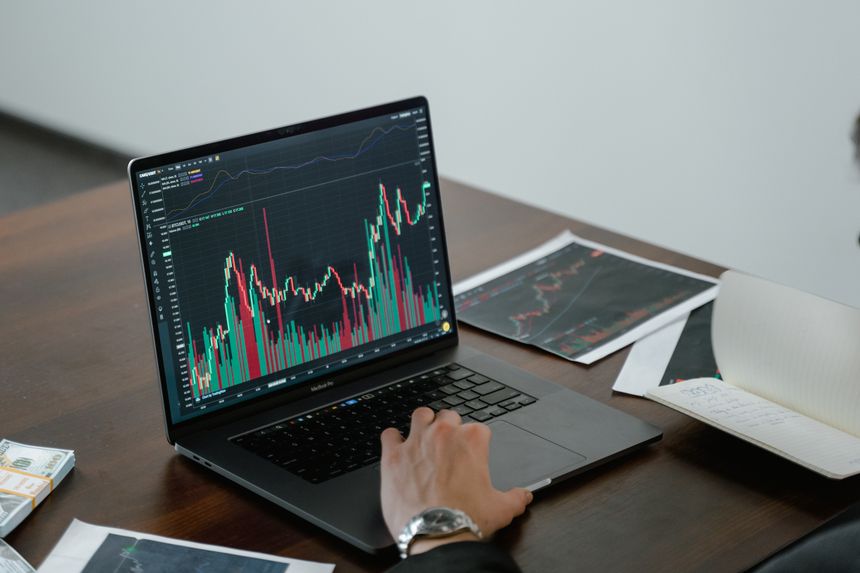
So, what are the best practices for risk management in prop firms? In my experience, it's essential to use the leaderboard to monitor and manage risk, providing real-time updates on trader performance and risk exposure. Some of the key considerations when it comes to risk management include:- Real-time monitoring: Use the leaderboard to monitor trader performance and risk exposure in real-time, providing alerts and notifications when risk thresholds are exceeded.
- Risk alerts: Use risk alerts to notify traders and risk managers when risk thresholds are exceeded, providing an early warning system for potential losses.
- Compliance: Use the leaderboard to ensure compliance with regulatory requirements, providing a clear and transparent view of trader performance and risk exposure.
Case Study: Successful Implementation of a Futures Prop Firm Leaderboard
So, what does a successful implementation of a futures prop firm leaderboard look like? In my experience, it's essential to work closely with traders and risk managers to design and implement a leaderboard that meets their specific needs and goals. For example, I worked with a prop firm to design and implement a custom leaderboard that provided real-time updates on trader performance and risk exposure. The leaderboard used data feeds from the exchange to provide accurate and reliable information, and included interactive visualization tools to help traders and risk managers to explore the data and gain a deeper understanding of performance. It was a real challenge — but we made it work.| Metric | Pre-Implementation | Post-Implementation |
|---|---|---|
| Trader performance | 20% increase in profit/loss | 30% increase in profit/loss |
| Risk exposure | 25% reduction in risk exposure | 40% reduction in risk exposure |
Pro Tip: When implementing a leaderboard, be sure to work closely with traders and risk managers to design and implement a system that meets their specific needs and goals.
Conclusion and Next Steps: Building a Winning Futures Prop Firm Leaderboard
So, what are the key takeaways when it comes to building a winning futures prop firm leaderboard? In my experience, it's essential to keep the following factors in mind:- Design a custom leaderboard that meets the specific needs and goals of your firm.
- Integrate exchange data into the leaderboard to provide real-time updates on market activity and trader performance.
- Use the leaderboard to monitor and manage risk, providing real-time updates on trader performance and risk exposure.
Pro Tip: Don't wait - start building your own futures prop firm leaderboard today and see the benefits for yourself.
