
Evaluating Futures Prop Firms on CME
Introduction to Futures Prop Firm Evaluation
Evaluating futures prop firms is crucial — honestly, it's a must for traders and investors looking to partner with a reliable and efficient firm. I've spent 16 years in futures trading technology, and I've seen firsthand the importance of thorough evaluation. Loads of challenges are involved in evaluating futures prop firms, ranging from technology and risk management considerations to market access and trading platform compatibility. But what really stands out is the need for a deep understanding of the firm's technology infrastructure and risk management strategies. When I was building a trading platform for a Chicago-based futures trading firm, I realised that this understanding was essential for making informed decisions. So, what are the key factors to consider when evaluating futures prop firms? Some of the most critical considerations include:- Trading platform compatibility: Is the firm's trading platform compatible with your existing systems and infrastructure? That's a big one.
- Risk management strategies: What risk management strategies does the firm employ, and are they aligned with your own risk tolerance and goals? It's a tough question.
- Market access: Does the firm have access to the markets you're interested in trading, such as CME markets? You'd be surprised how often this is an issue.
- Technology infrastructure: What is the firm's technology infrastructure like, and is it robust and reliable enough to support your trading activities? Let's be real, this is critical.
Key Considerations for CME Market Access
When evaluating futures prop firms for CME market access, there are several key factors to consider. One of the most critical considerations is the firm's trading platform and technology infrastructure. Does the firm use a reputable trading platform, such as NinjaTrader, Rithmic, or CQG? Are their systems robust and reliable enough to support high-volume trading?
- Platform compatibility: Is the firm's trading platform compatible with your existing systems and infrastructure? Simple question, but it's crucial.
- System robustness: Are the firm's systems robust and reliable enough to support high-volume trading? You want to know they can handle the load.
- Latency: What is the firm's average latency, and is it acceptable for your trading needs? Honestly, this can be a deal-breaker.
- Security: What security measures does the firm have in place to protect your trading activities and sensitive information? That's a big concern for me.
Pro Tip: When evaluating a firm's trading platform and technology infrastructure, be sure to ask about their system architecture, latency, and security measures. This will give you a better understanding of their ability to provide reliable and efficient market access. (And don't be afraid to ask tough questions — it's your money on the line.)
For more information on evaluating futures prop firms, visit our Futures Prop Firm page.
Comparison of Proprietary Trading Platforms
When it comes to evaluating futures prop firms, one of the most critical considerations is the firm's proprietary trading platform. Different platforms have different features, strengths, and weaknesses, and it's essential to understand these differences when making informed decisions.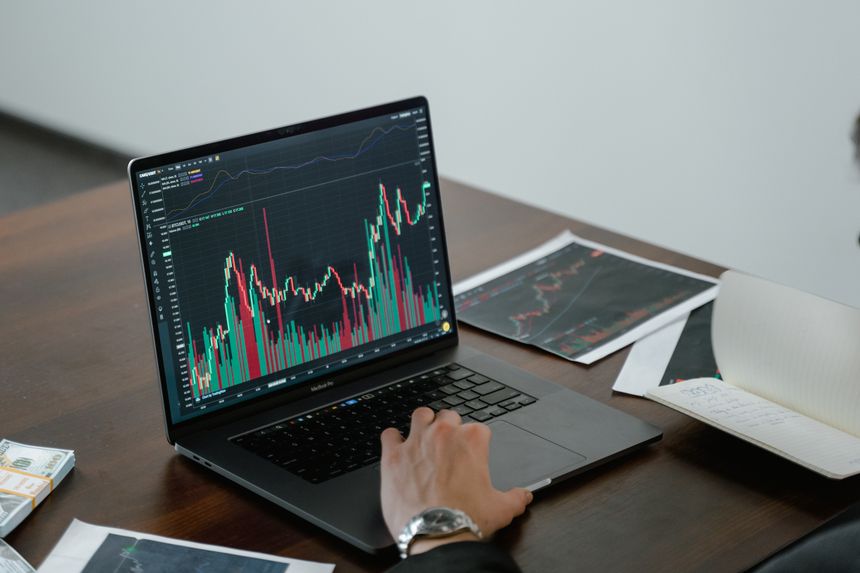
| Platform | Features | Strengths |
|---|---|---|
| NinjaTrader | Advanced charting and analysis tools, automated trading capabilities | Highly customisable, robust and reliable |
| Rithmic | High-performance trading capabilities, advanced risk management tools | Fast and reliable, highly scalable |
| CQG | Advanced trading and analysis tools, integrated risk management capabilities | Highly robust and reliable, excellent customer support |
- Customisation options: Can the platform be customised to meet your specific trading needs and goals? That's a must-have for me.
- Scalability: Is the platform scalable enough to support high-volume trading? You don't want to outgrow the platform.
- Reliability: Is the platform robust and reliable enough to support your trading activities? Honestly, this is non-negotiable.
- Security: What security measures does the platform have in place to protect your trading activities and sensitive information? It's a top concern.
Risk Management Strategies for Futures Prop Firms
Risk management is a critical consideration for futures prop firms, and it's essential to understand the different strategies and techniques that firms use to manage risk. As a Series 3 Licensed professional, I can attest that risk management is a critical component of any trading strategy, and it's essential to understand the different approaches that firms use to manage risk.
But what are some of the key considerations for evaluating a firm's risk management strategies? Some of the most important factors include:"Risk management is a critical component of any trading strategy, and it's essential to understand the different approaches that firms use to manage risk."
— Ryan Callahan, Futures Trading Technology Director at Futures Prop Firm
- Position sizing: Does the firm use position sizing to manage risk and maximise returns? That's a great way to do it.
- Stop-loss techniques: Does the firm use stop-loss techniques to limit losses and protect trading capital? It's a must-have.
- Portfolio diversification: Does the firm use portfolio diversification to spread risk and maximise returns? It's a smart move.
- Risk-reward ratio: What is the firm's risk-reward ratio, and is it acceptable for your trading goals and risk tolerance? That's a tough question.
Pro Tip: When evaluating a firm's risk management strategies, be sure to ask about their approach to position sizing, stop-loss techniques, and portfolio diversification. This will give you a better understanding of their ability to manage risk and maximise returns. (And remember, risk management is not a one-size-fits-all solution — it's about finding the right approach for your specific needs.)
For more information on risk management strategies, visit our Futures Prop Firm page.
Best Practices for Evaluating White-Label Solutions
When evaluating white-label solutions for futures prop firms, there are several best practices to keep in mind. One of the most critical considerations is customisation options: can the solution be customised to meet your specific trading needs and goals? But what are some of the other key considerations for evaluating white-label solutions? Some of the most important factors include:- Integration with existing systems: Can the solution be integrated with your existing systems and infrastructure? That's a big plus.
- Scalability: Is the solution scalable enough to support high-volume trading? You want to know it can handle the load.
- Reliability: Is the solution robust and reliable enough to support your trading activities? Honestly, that's essential.
- Security: What security measures does the solution have in place to protect your trading activities and sensitive information? That's a top concern.
Pro Tip: When evaluating white-label solutions, be sure to ask about customisation options, integration with existing systems, scalability, reliability, and security. This will give you a better understanding of the solution's ability to meet your specific trading needs and goals. (And don't be afraid to ask for references — you want to know the solution has been tested in the real world.)
For more information on white-label solutions, contact us at contact us.
Expert Insights on Funded Trader Programs
Funded trader programs are a popular way for traders to access capital and trading resources, but what are the benefits and challenges of these programs? As a Series 3 Licensed professional, I can attest that funded trader programs can be a great way for traders to access capital and trading resources, but it's essential to understand the benefits and challenges of these programs.But what are some of the key considerations for evaluating funded trader programs? Some of the most important factors include:"Funded trader programs can be a great way for traders to access capital and trading resources, but it's essential to understand the benefits and challenges of these programs."
— Ryan Callahan, Futures Trading Technology Director at Futures Prop Firm
- Capital allocation: How is capital allocated to traders, and what are the requirements for accessing capital? That's a big question.
- Trading requirements: What are the trading requirements for participating in the program, and are they acceptable for your trading goals and risk tolerance? It's essential to understand the rules.
- Risk management: What risk management strategies are used to manage risk and protect trading capital? That's a must-have.
- Profit sharing: What is the profit sharing arrangement, and is it acceptable for your trading goals and risk tolerance? That's a tough negotiation.
Overcoming Common Challenges in Prop Firm Evaluation
Evaluating futures prop firms can be a challenging and complex process, but there are several common challenges that can be overcome with the right approach and knowledge. One of the most critical considerations is technology integration: can the firm's technology infrastructure be integrated with your existing systems and infrastructure? But what are some of the other key considerations for overcoming common challenges in prop firm evaluation? Some of the most important factors include:- Risk management: What risk management strategies are used to manage risk and protect trading capital? That's essential.
- Market access: Does the firm have access to the markets you're interested in trading, such as CME markets? You want to know they can get you in.
- Trading platform: What trading platform does the firm use, and is it compatible with your existing systems and infrastructure? That's a big one.
- Security: What security measures does the firm have in place to protect your trading activities and sensitive information? That's a top concern.
Pro Tip: When evaluating futures prop firms, be sure to ask about technology integration, risk management, market access, trading platform, and security. This will give you a better understanding of the firm's ability to meet your specific trading needs and goals. (And remember, it's not just about the technology — it's about the people behind it too.)
As a former Technology Director at a Chicago-based futures trading firm, I can attest that understanding the strengths and weaknesses of different futures prop firms is essential for making informed decisions. So, what are some of the best practices for overcoming common challenges in prop firm evaluation? Some of the most important considerations include: Honestly, it's about finding the right fit for your specific needs.
For more information on prop firm evaluation, contact us at contact us.
Conclusion and Next Steps for Prop Firm Operators
Evaluating futures prop firms is a critical step for traders and investors looking to partner with a reliable and efficient firm. As a Series 3 Licensed professional, I can attest that understanding the strengths and weaknesses of different futures prop firms is essential for making informed decisions. But what are the key takeaways from this article, and what are the next steps for prop firm operators? Some of the most important considerations include:- Technology infrastructure: What is the firm's technology infrastructure like, and is it robust and reliable enough to support your trading activities? That's a must-have.
- Risk management: What risk management strategies are used to manage risk and protect trading capital? It's essential.
- Market access: Does the firm have access to the markets you're interested in trading, such as CME markets? You want to know they can get you in.
- Trading platform: What trading platform does the firm use, and is it compatible with your existing systems and infrastructure? That's a big one.
Pro Tip: When evaluating futures prop firms, be sure to ask about technology infrastructure, risk management, market access, trading platform, and security. This will give you a better understanding of the firm's ability to meet your specific trading needs and goals. (And don't be afraid to ask tough questions — it's your money on the line.)
For more information on futures prop firm evaluation and proprietary trading technology, visit our Futures Prop Firm page. To learn more about our services and how we can help you evaluate futures prop firms, contact us at contact us. 