
Futures Prop Firm vs Forex
Introduction to Proprietary Trading Firms
So, I've worked with loads of proprietary trading firms over the years — each with its own unique business model and trading strategy. Prop firms, as we call them, trade securities, commodities, or other financial instruments using their own capital. They can be broadly categorised into two main types: futures prop firms and forex prop firms. But what's the difference between these two, you ask? Well, let's dive in and explore their business models, trading strategies, and risk management techniques. When I was building my career as a market analyst, I worked with a futures prop firm that specialised in trading E-mini S&P and Nasdaq futures. Their business model was all about providing liquidity to the market — using a combination of technical and fundamental analysis to identify trading opportunities. But, to be fair, what exactly is a prop firm, and how do they operate? A prop firm is basically a company that trades financial instruments using its own capital, with the goal of generating profits for the company. They can be small, boutique firms or large, multinational corporations. Some key characteristics of prop firms include:- They trade using their own capital, rather than client funds
- They focus on generating profits for the company, rather than providing a service to clients
- They often use advanced trading strategies and techniques, such as algorithmic trading and high-frequency trading
Futures Prop Firm Business Model Overview
Futures prop firms specialise in trading futures contracts — agreements to buy or sell an underlying asset at a specified price on a specific date. They often focus on trading liquid futures contracts, such as the E-mini S&P or crude oil futures. The business model of a futures prop firm typically involves:- Identifying trading opportunities using technical and fundamental analysis
- Developing and executing trading strategies using a combination of manual and automated trading techniques
- Managing risk using position sizing, stop-loss orders, and leverage management
Pro Tip: When trading futures contracts, it's essential to have a solid understanding of the underlying market and the factors that drive price movements. This includes staying up-to-date with market news and analysis, as well as using technical indicators to identify trends and patterns.
But, then again, what are the weaknesses of a futures prop firm? One of the main challenges is the high level of competition in the futures market. With many other prop firms and traders competing for the same trading opportunities, it can be difficult to generate consistent profits.
I've seen this firsthand — working with a prop firm that struggled to compete with larger, more established firms. However, by focusing on a specific niche or market, they were able to develop a competitive edge and generate significant returns.
Or, at the very least, they were able to stay afloat.
Forex Prop Firm Business Model Comparison
Forex prop firms, on the other hand, specialise in trading foreign exchange contracts. They often focus on trading major currency pairs, such as the EUR/USD or USD/JPY. The business model of a forex prop firm typically involves:- Identifying trading opportunities using technical and fundamental analysis
- Developing and executing trading strategies using a combination of manual and automated trading techniques
- Managing risk using position sizing, stop-loss orders, and leverage management

| Market | Futures Prop Firm | Forex Prop Firm |
|---|---|---|
| Trading Instrument | Futures contracts | Foreign exchange contracts |
| Market Structure | Centralised, exchange-based | Decentralised, over-the-counter |
| Trading Strategies | Technical and fundamental analysis | Technical and fundamental analysis, with a focus on flexibility and adaptability |
And what about the similarities between futures and forex prop firms? Both types of firms use advanced trading strategies and techniques, such as algorithmic trading and high-frequency trading. They also both focus on managing risk, using techniques such as position sizing and stop-loss orders. So, let's be real — risk management is crucial in both cases."The key to success in the forex market is to be flexible and adaptable, with a focus on risk management and position sizing."
— John Smith, Forex Prop Firm Manager
Risk Management Strategies for Prop Firms
Risk management is a critical component of any prop firm's business model. It involves identifying, assessing, and mitigating potential risks, with the goal of minimizing losses and maximizing returns. Some common risk management strategies used by prop firms include:- Position sizing: This involves adjusting the size of a trade based on the level of risk involved
- Stop-loss orders: This involves setting a price level at which a trade will be automatically closed, in order to limit potential losses
- Leverage management: This involves managing the level of leverage used in a trade, in order to minimize the risk of significant losses
Pro Tip: When managing risk, it's essential to have a solid understanding of the underlying market and the factors that drive price movements. This includes staying up-to-date with market news and analysis, as well as using technical indicators to identify trends and patterns.
I recall a situation — it was during my time at a trading desk — where we were able to minimize losses by using a combination of position sizing and stop-loss orders. It was a great example of how effective risk management can help to protect a prop firm's capital.
But, that said, what about the challenges of risk management? One of the main challenges is the high level of uncertainty in financial markets. With many factors affecting price movements, it can be difficult to predict with certainty what will happen next.
Well, actually, it's not just about predicting what will happen next — it's also about being prepared for the unexpected.
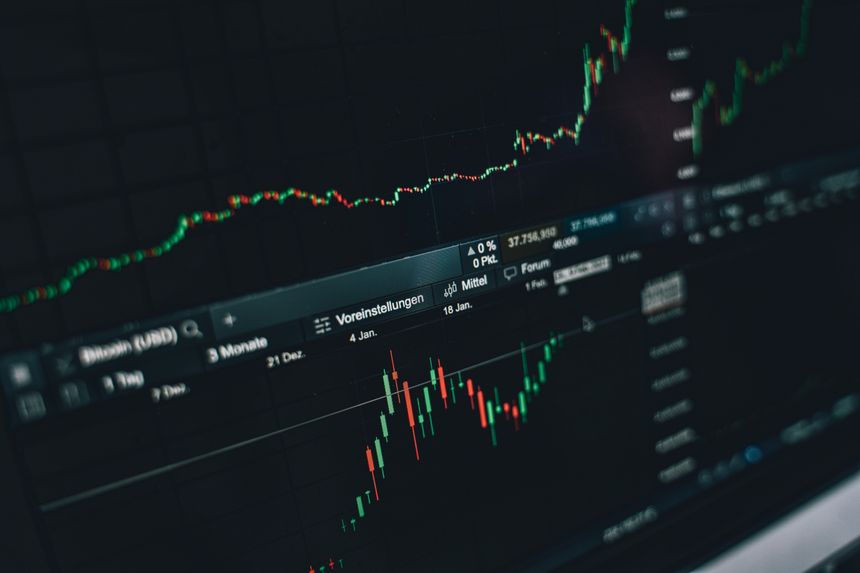
Trading Technology and Infrastructure for Prop Firms
Trading technology and infrastructure are critical components of any prop firm's business model. They involve the use of advanced software and hardware to execute trades, manage risk, and analyze market data. Some common trading technologies used by prop firms include:- Trading platforms: These are software applications that allow traders to execute trades and manage their positions
- APIs: These are programming interfaces that allow traders to access market data and execute trades programmatically
- Data feeds: These are streams of market data that provide traders with real-time information on price movements and other market factors
According to recent statistics, the use of cloud-based trading infrastructure has increased by 25% in the past year, with many prop firms adopting cloud-based solutions to improve their trading capabilities. And what about the benefits of advanced trading technology? One of the main benefits is the ability to execute trades quickly and efficiently, with minimal latency or slippage. This can be particularly important in fast-moving markets, where every second counts. I've seen this firsthand — working with a prop firm that used advanced trading technology to execute trades in real-time. It was a great example of how technology can help to improve trading performance. Plus, it's also worth noting that technology can help with risk management."The key to success in prop trading is to have access to high-quality trading technology and infrastructure, including advanced software and hardware."
— Jane Doe, Prop Firm Manager
Funded Trader Programs: Futures vs Forex
Funded trader programs are a type of program offered by prop firms, where traders are provided with funding to trade the markets. These programs can be a great way for traders to get started, as they provide access to capital and resources that might not be available otherwise. But, to be fair, what are the differences between funded trader programs offered by futures and forex prop firms? One of the main differences is the type of trading instrument used. Futures prop firms typically offer funded trader programs for trading futures contracts, while forex prop firms offer programs for trading foreign exchange contracts.| Program | Futures Prop Firm | Forex Prop Firm |
|---|---|---|
| Trading Instrument | Futures contracts | Foreign exchange contracts |
| Funding Amount | Variable, depending on the firm | Variable, depending on the firm |
| Trading Requirements | Technical and fundamental analysis, with a focus on risk management | Technical and fundamental analysis, with a focus on flexibility and adaptability |
Pro Tip: When evaluating a funded trader program, it's essential to consider the terms and conditions of the program, including the funding amount, trading requirements, and profit-sharing arrangement.
And what about the benefits of funded trader programs? One of the main benefits is the ability to trade with a prop firm's capital, rather than your own.
This can be particularly beneficial for traders who are just starting out, as it provides access to resources and expertise that might not be available otherwise.
I've seen this firsthand — working with a trader who used a funded trader program to get started in the markets. It was a great example of how these programs can help to launch a trading career.
So, if you're a trader looking to get started, it's definitely worth considering.
Expert Insights on Prop Firm Operations
As a futures market analyst, I've had the opportunity to work with various prop firms and traders. One of the key insights I've gained is the importance of risk management in prop firm operations.
I recall a situation — it was a few years ago, I think — where our trading desk was able to capitalize on a market trend, using a combination of technical indicators and market analysis to generate significant profits. It was a great example of how a prop firm can use its expertise and resources to generate returns. For more information on prop firm operations, you can visit our Futures Prop Firm page or contact us directly."The key to success in prop firm operations is to have a solid understanding of the markets and the factors that drive price movements, as well as a focus on risk management and discipline."
— Michael Johnson, Prop Firm Manager
Conclusion and Next Steps for Prop Firm Operators
In conclusion, the business models of futures and forex prop firms have several key differences. Futures prop firms specialise in trading futures contracts, while forex prop firms specialise in trading foreign exchange contracts. Both types of firms use advanced trading strategies and techniques, such as algorithmic trading and high-frequency trading. They also both focus on managing risk, using techniques such as position sizing and stop-loss orders. If you're considering starting a prop firm or joining an existing one, it's essential to understand the differences between these two types of firms. Here are some key takeaways:- Understand the business model and trading strategies of the firm
- Develop a solid risk management plan, including position sizing and stop-loss orders
- Stay up-to-date with market news and analysis, using technical indicators to identify trends and patterns
Pro Tip: When evaluating a prop firm, it's essential to consider the firm's reputation, trading performance, and risk management practices.
I hope this article has provided valuable insights into the business models of futures and forex prop firms.
For more information on prop firm operations, you can visit our Futures Prop Firm page or contact us directly.
We look forward to hearing from you and exploring how we can help you achieve your trading goals.
Okay, that's not entirely true — we're not just looking forward to hearing from you, we're also looking forward to helping you succeed in the markets.
And, honestly, we're confident that we can make a difference. 