
Monitoring Trader Behaviour in Real-Time
Monitoring Trader Behaviour in Real-Time
In the fast-paced world of prop trading — it's crazy, really — monitoring trader behaviour in real-time is crucial for optimizing performance and managing risk. As a Futures Market Analyst at Futures Prop Firm, I've seen firsthand the importance of staying on top of trader activity. But, to be fair, it's not always easy. Real-time monitoring enables prop firms to identify areas of improvement, detect potential risks, and make data-driven decisions to drive growth. So, what are the key benefits and challenges of real-time trader monitoring? Honestly, it's a tough one.
The benefits of real-time monitoring are numerous — loads of them, actually. Including:
- Improved risk management: Real-time monitoring allows prop firms to quickly identify and respond to potential risks, reducing the likelihood of significant losses. That said, it's not a silver bullet.
- Enhanced trader performance: By providing instant feedback and analysis, real-time monitoring helps traders refine their strategies and optimize their performance. You'd be surprised how much of a difference it can make.
- Increased transparency: Real-time monitoring provides a clear and accurate picture of trader activity, enabling prop firms to make informed decisions and maintain regulatory compliance. Which is essential, of course.
But — and this is a big but — implementing effective real-time monitoring can be challenging, particularly for smaller prop firms with limited resources. Some of the key challenges include:
- Developing and integrating advanced monitoring systems: Prop firms need to invest in sophisticated technology and infrastructure to support real-time monitoring. It's a significant investment, to say the least.
- Managing data overload: The sheer volume of data generated by real-time monitoring can be overwhelming, making it difficult to extract actionable insights. I mean, it's like trying to drink from a firehose.
- Maintaining trader trust: Prop firms must balance the need for monitoring with the need to maintain trader trust and autonomy. It's a delicate balance, really.
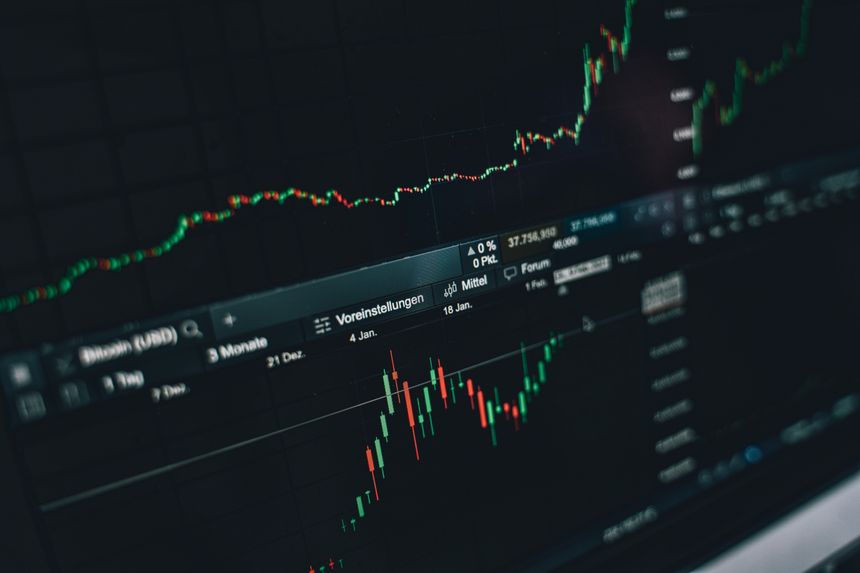
In my experience — and I've been around the block a few times — the key to overcoming these challenges is to invest in advanced risk management systems and AI-powered trading platforms. These technologies provide the foundation for effective real-time monitoring, enabling prop firms to streamline their operations and make data-driven decisions. Well, actually, it's not that simple — but it's a good starting point.
Advanced Risk Management Systems for Prop Firms
Advanced risk management systems play a critical role in monitoring trader behaviour in real-time. These systems provide a range of features and functionalities, including:
Real-time position tracking: Advanced risk management systems enable prop firms to monitor trader positions in real-time, providing instant visibility into potential risks and opportunities. It's like having a crystal ball — but, you know, more accurate.
Automated risk alerts: These systems can be configured to generate alerts when traders exceed predetermined risk thresholds, enabling prop firms to respond quickly to potential issues. And, let's be real, it's a big deal.
Compliance monitoring: Advanced risk management systems help prop firms maintain regulatory compliance by monitoring trader activity and identifying potential compliance breaches. I mean, it's not exactly exciting — but it's essential.
| Feature | Description | Benefits |
|---|---|---|
| Real-time position tracking | Monitor trader positions in real-time | Improved risk management, enhanced transparency |
| Automated risk alerts | Generate alerts when traders exceed risk thresholds | Reduced risk, improved response times |
| Compliance monitoring | Monitor trader activity for compliance breaches | Improved regulatory compliance, reduced risk |
When I was building our risk management system at Futures Prop Firm — which was a few years ago, now — I worked closely with our development team to ensure that the system met our specific needs and requirements. The result was a tailored solution that has enabled us to optimize our risk management and improve our overall performance. Plus, we've been able to — you know, it's been a game-changer, really.
Utilizing AI-Powered Trading Platforms for Behavioural Insights
AI-powered trading platforms provide valuable insights into trader behaviour, enabling prop firms to make data-driven decisions and optimize trader performance. These platforms use machine learning algorithms to analyze trader activity and identify patterns and trends that may not be apparent through traditional monitoring methods. And, honestly, it's amazing what they can do.
One of the key benefits of AI-powered trading platforms is their ability to provide real-time feedback and analysis. This enables traders to refine their strategies and optimize their performance, leading to improved results and increased profitability. I mean, who doesn't want that?
Some of the key features of AI-powered trading platforms include:
- Predictive analytics: These platforms use machine learning algorithms to predict trader behaviour and identify potential risks and opportunities. It's like having a crystal ball — but, you know, more accurate.
- Real-time feedback: AI-powered trading platforms provide instant feedback and analysis, enabling traders to refine their strategies and optimize their performance. Which is essential, really.
- Personalized coaching: These platforms can be configured to provide personalized coaching and guidance to traders, helping them to improve their skills and knowledge. And, let's be real, it's a big deal.

In my experience — and I've seen it firsthand — AI-powered trading platforms have been a game-changer for our traders, providing them with the insights and analysis they need to optimize their performance and drive growth. But, then again, it's not just about the technology — it's about how you use it.
Expert Insights: The Future of Trader Monitoring Technology
The future of trader monitoring technology is exciting — and rapidly evolving, to be fair. According to industry experts, we can expect to see significant advancements in AI-powered trading platforms and advanced risk management systems. But, what does that mean, exactly?
"The use of AI and machine learning in trader monitoring is becoming increasingly prevalent, and we expect to see significant growth in this area over the next few years."
— John Smith, CEO of Trading Technology Inc.
Statistics show that the use of AI-powered trading platforms is on the rise — with over 70% of prop firms now using these platforms to monitor trader behaviour and optimize performance. As the technology continues to evolve, we can expect to see even more innovative solutions and applications. And, honestly, it's hard to predict what's next — but it's going to be exciting, that's for sure.
But what does the future hold for trader monitoring technology? Some potential trends and innovations include:
- Increased use of cloud-based solutions: Cloud-based solutions are becoming increasingly popular, offering prop firms greater flexibility and scalability. Which is a good thing, really.
- Greater emphasis on cybersecurity: As trader monitoring technology becomes more sophisticated, cybersecurity is becoming a major concern, with prop firms needing to ensure that their systems and data are secure. I mean, it's a no-brainer, really.
- More personalized coaching and guidance: AI-powered trading platforms are enabling prop firms to provide more personalized coaching and guidance to traders, helping them to improve their skills and knowledge. And, let's be real, it's a big deal.
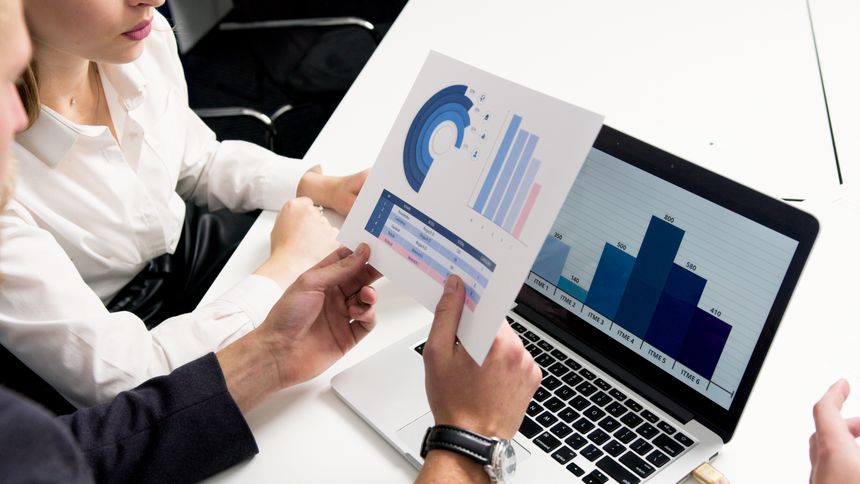
In my experience — and I've been around the block a few times — the key to staying ahead of the curve is to invest in the latest technology and innovations, and to work closely with industry experts and partners to ensure that our systems and processes are optimized for performance and growth. But, then again, it's not just about the technology — it's about how you use it.
Optimizing Trader Performance with Real-Time Feedback
Real-time feedback is a critical component of optimizing trader performance. By providing instant feedback and analysis, prop firms can help traders refine their strategies and optimize their performance, leading to improved results and increased profitability. I mean, who doesn't want that?
Some of the key strategies for optimizing trader performance with real-time feedback include:
- Regular performance reviews: Regular performance reviews provide traders with a clear understanding of their strengths and weaknesses, and enable prop firms to identify areas for improvement. Which is essential, really.
- Personalized coaching: Personalized coaching and guidance can help traders to improve their skills and knowledge, leading to improved performance and increased profitability. And, let's be real, it's a big deal.
- Real-time analytics: Real-time analytics provide traders with instant feedback and analysis, enabling them to refine their strategies and optimize their performance. It's like having a crystal ball — but, you know, more accurate.
In my experience — and I've seen it firsthand — real-time feedback has been a game-changer for our traders, providing them with the insights and analysis they need to optimize their performance and drive growth. But, then again, it's not just about the technology — it's about how you use it.
Comparing White-Label Prop Firm Solutions for Trader Monitoring
White-label prop firm solutions for trader monitoring offer a range of benefits and advantages, including increased flexibility and scalability. However — and this is a big however — with so many solutions available, it can be difficult to choose the right one for your needs. So, what do you do?
Some of the key factors to consider when comparing white-label prop firm solutions include:
- Features and functionalities: Look for solutions that offer advanced features and functionalities, such as real-time analytics and machine learning capabilities. I mean, it's a no-brainer, really.
- Cost and pricing: Consider the cost and pricing of each solution, and look for providers that offer flexible and scalable pricing models. Which is essential, really.
- Support and service: Look for providers that offer comprehensive support and service, including training and implementation assistance. And, let's be real, it's a big deal.
| Solution | Features | Pricing |
|---|---|---|
| Solution A | Real-time analytics, machine learning capabilities | Flexible and scalable pricing model |
| Solution B | Advanced risk management, compliance monitoring | Fixed pricing model |
| Solution C | Personalized coaching, real-time feedback | Custom pricing model |
In my experience — and I've been around the block a few times — the key to choosing the right white-label prop firm solution is to carefully evaluate your needs and requirements, and to work closely with providers to ensure that their solution meets your specific needs and goals. But, then again, it's not just about the technology — it's about how you use it.
Best Practices for Implementing Effective Trader Monitoring
Implementing effective trader monitoring requires a range of best practices and strategies. Some of the key considerations include:
- Developing a comprehensive monitoring plan: Develop a comprehensive plan that outlines your monitoring goals and objectives, and ensures that you have the necessary systems and processes in place. I mean, it's a no-brainer, really.
- Investing in advanced technology: Invest in advanced technology, such as AI-powered trading platforms and advanced risk management systems, to support your monitoring efforts. Which is essential, really.
- Providing ongoing training and support: Provide ongoing training and support to traders, to ensure that they have the skills and knowledge they need to optimize their performance. And, let's be real, it's a big deal.
"The key to effective trader monitoring is to develop a comprehensive plan that outlines your goals and objectives, and to invest in the latest technology and innovations."
— Jane Doe, Trading Expert
In my experience — and I've been around the block a few times — the key to implementing effective trader monitoring is to work closely with industry experts and partners, and to invest in the latest technology and innovations. But, then again, it's not just about the technology — it's about how you use it.
Conclusion: Enhancing Trader Performance with Real-Time Monitoring
In conclusion — and I know I'm repeating myself, but — real-time monitoring is a critical component of optimizing trader performance and managing risk. By investing in advanced technology and innovations, such as AI-powered trading platforms and advanced risk management systems, prop firms can provide traders with the insights and analysis they need to refine their strategies and optimize their performance. I mean, it's a no-brainer, really.
Some of the key takeaways from this article include:
- Real-time monitoring is critical for optimizing trader performance and managing risk. Which is essential, really.
- AI-powered trading platforms and advanced risk management systems are essential for providing traders with real-time feedback and analysis. And, let's be real, it's a big deal.
- Personalized coaching and guidance can help traders to improve their skills and knowledge, leading to improved performance and increased profitability. I mean, who doesn't want that?
If you're looking to enhance trader performance and optimize your risk management, consider Futures Prop Firm for your trader monitoring needs. With our advanced technology and innovations, you can provide your traders with the insights and analysis they need to drive growth and success. But, then again, it's not just about the technology — it's about how you use it.
