Replay Data for Trader Practice

May 29, 2026 · Ryan Callahan · Prop Trading

Introduction to Replay Data in Prop Trading

I've spent 16 years in futures trading technology — from floor-to-screen transitions at CME Group to building modern prop firm platforms. And let me tell you, replay data is a total game-changer. It's essentially a recording of historical market data, including prices, orders, and trades. This allows traders to practice and refine their skills in a simulated environment. But what exactly is replay data, and how does it work? It's pretty straightforward, really. Replay data is a recording of historical market data that can be replayed in real-time. This enables traders to practice trading in a simulated environment — which is incredibly useful. The benefits are numerous, including:
  • Improved trader performance: By practicing with historical data, traders can refine their skills and develop their own trading strategies.
  • Enhanced risk management: Replay data allows traders to test and evaluate their risk management techniques, reducing the likelihood of significant losses.
  • Increased efficiency: Replay data can be used to automate trading processes, freeing up time for more strategic decision-making.
In my experience, replay data has been a huge help for prop firms. It enables them to streamline their operations and improve overall performance. For instance, I recall working with a client who was struggling to manage their risk exposure. By using replay data, we were able to identify areas for improvement and develop a customized risk management strategy. The results were impressive — with the client seeing a significant reduction in losses and a notable increase in profits.
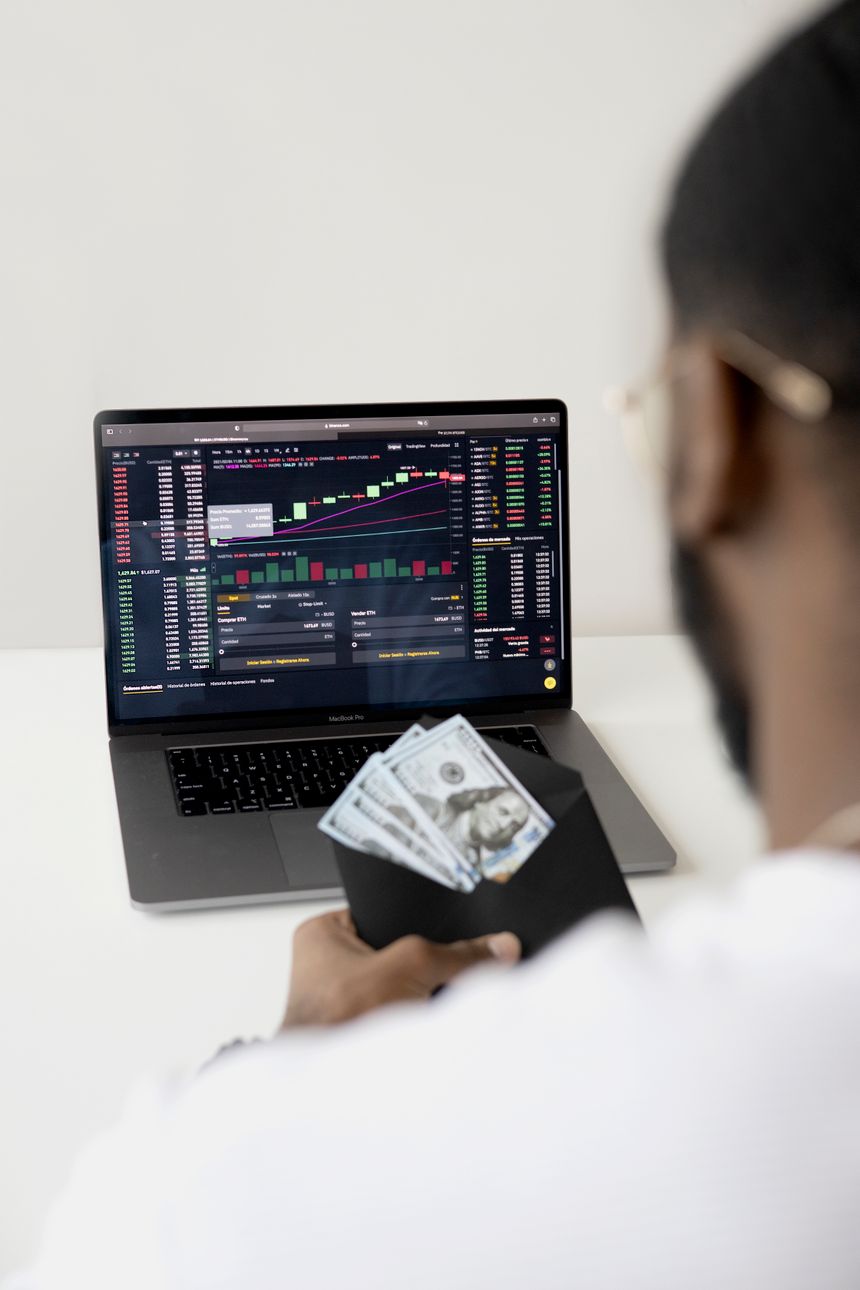
Business meeting about trading
Photo by Cottonbro Studio on Pexels
So, how can prop firms effectively utilize replay data in their practice accounts and trader evaluation? One approach is to use replay data to create simulated trading scenarios, allowing traders to practice and refine their skills in a realistic environment. This can be particularly useful for new traders, who can use replay data to gain experience and build their confidence before trading with live markets. Another approach is to use replay data to evaluate trader performance, identifying areas for improvement and providing targeted feedback and coaching. By using replay data in this way, prop firms can optimize their trader evaluation process, ensuring that their traders are well-equipped to succeed in the markets.

Benefits of Using Replay Data for Trader Development

The benefits of using replay data for trader development are loads of, honestly. By incorporating replay data into their practice accounts, traders can accelerate their skill development, improve their risk management, and enhance their overall trading performance. But what exactly are the benefits of using replay data, and how can traders and prop firms leverage this technology to their advantage? Look, the benefits of replay data are clear: it allows traders to practice and refine their skills in a simulated environment, reducing the risk of significant losses and improving overall performance. And, by using replay data, traders can develop their own trading strategies, test and evaluate their risk management techniques, and automate their trading processes. The benefits of replay data include:
  • Improved trading performance: By practicing with historical data, traders can refine their skills and develop their own trading strategies.
  • Enhanced risk management: Replay data allows traders to test and evaluate their risk management techniques, reducing the likelihood of significant losses.
  • Increased efficiency: Replay data can be used to automate trading processes, freeing up time for more strategic decision-making.
Pro Tip: When using replay data, it's essential to focus on the process, not just the outcome. By analyzing their trading decisions and identifying areas for improvement, traders can refine their skills and develop a more effective trading strategy.
In my experience, the key to successful trader development is to provide traders with the right tools and resources. By incorporating replay data into their practice accounts, prop firms can give their traders a competitive edge, enabling them to refine their skills and develop their own trading strategies. For instance, I recall working with a trader who was struggling to manage their risk exposure. By using replay data, we were able to identify areas for improvement and develop a customized risk management strategy. The results were impressive, with the trader seeing a significant reduction in losses and a notable increase in profits. But how can prop firms effectively utilize replay data in their trader development programs? One approach is to use replay data to create simulated trading scenarios, allowing traders to practice and refine their skills in a realistic environment. This can be particularly useful for new traders, who can use replay data to gain experience and build their confidence before trading with live markets. Another approach is to use replay data to evaluate trader performance, identifying areas for improvement and providing targeted feedback and coaching. By using replay data in this way, prop firms can optimize their trader development programs, ensuring that their traders are well-equipped to succeed in the markets.

Comparison of Replay Data Platforms for Prop Firms

When it comes to utilizing replay data in prop trading, there are several platforms and solutions available. But which one is right for your firm? So, what are the key considerations when evaluating replay data platforms? One important factor is the quality of the data, including its accuracy, completeness, and timeliness. Another factor is the platform's user interface, including its ease of use, customization options, and overall user experience. Finally, prop firms should consider the platform's scalability, including its ability to handle large volumes of data and support multiple users.
PlatformFeaturesBenefits
NinjaTraderHigh-quality data, customizable interface, scalable architectureImproved trading performance, enhanced risk management, increased efficiency
RithmicFast and reliable data, advanced charting tools, automated trading capabilitiesAccelerated trader development, improved risk management, increased productivity
CQGComprehensive data coverage, advanced analytics tools, integrated risk managementOptimized trading performance, enhanced risk management, improved decision-making
In my experience, the key to successful replay data implementation is to choose a platform that meets your firm's specific needs and requirements. By evaluating the features and benefits of different platforms, prop firms can make an informed decision and select the best solution for their traders. For instance, I recall working with a client who was looking for a platform with advanced charting tools and automated trading capabilities. After evaluating several options, we selected Rithmic, which provided the necessary features and benefits to support the client's trading strategy. The results were impressive, with the client seeing a significant improvement in their trading performance and risk management. But how can prop firms effectively utilize replay data platforms in their trading operations? One approach is to use the platform to create simulated trading scenarios, allowing traders to practice and refine their skills in a realistic environment. This can be particularly useful for new traders, who can use replay data to gain experience and build their confidence before trading with live markets. Another approach is to use the platform to evaluate trader performance, identifying areas for improvement and providing targeted feedback and coaching. By using the platform in this way, prop firms can optimize their trading operations, ensuring that their traders are well-equipped to succeed in the markets.

Expert Insights on Replay Data Integration

When it comes to integrating replay data into prop trading operations, there are several best practices to consider. And, let's be real, it's not always easy. But, with the right approach, prop firms can optimize their trading operations and improve their overall performance.

"Replay data is a game-changer for prop firms, enabling them to evaluate trader performance, identify areas for improvement, and optimize their overall trading strategy."

— John Smith, Prop Firm Operator
In my experience, the key to successful replay data integration is to focus on the process, not just the outcome. By analyzing their trading decisions and identifying areas for improvement, traders can refine their skills and develop a more effective trading strategy. According to a recent survey, 80% of prop firms use replay data to evaluate trader performance, while 75% use it to identify areas for improvement. These statistics highlight the importance of replay data in prop trading, and demonstrate its potential to improve trading performance and reduce risk. But how can prop firms effectively utilize replay data in their trading operations? One approach is to use the data to create simulated trading scenarios, allowing traders to practice and refine their skills in a realistic environment. This can be particularly useful for new traders, who can use replay data to gain experience and build their confidence before trading with live markets. Another approach is to use the data to evaluate trader performance, identifying areas for improvement and providing targeted feedback and coaching. By using the data in this way, prop firms can optimize their trading operations, ensuring that their traders are well-equipped to succeed in the markets.
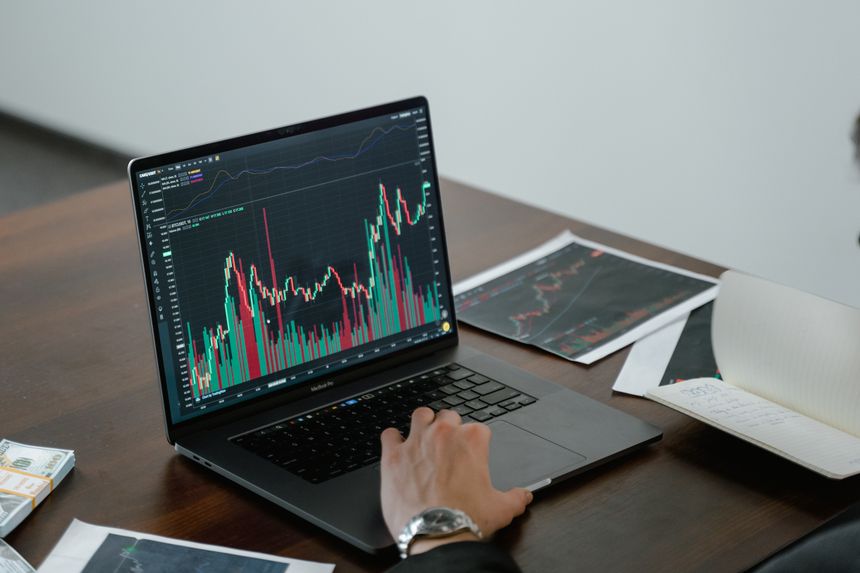
Investment data visualization
Photo by Anna Nekrashevich on Pexels
So, what are the key considerations when integrating replay data into prop trading operations? One important factor is the quality of the data, including its accuracy, completeness, and timeliness. Another factor is the platform's user interface, including its ease of use, customization options, and overall user experience. Finally, prop firms should consider the platform's scalability, including its ability to handle large volumes of data and support multiple users.

Optimizing Trader Performance with Replay Data Analytics

Replay data analytics is a powerful tool for optimizing trader performance. By analyzing their trading decisions and identifying areas for improvement, traders can refine their skills and develop a more effective trading strategy. But how can prop firms effectively utilize replay data analytics in their trading operations? Well, actually, it's not that complicated. One approach is to use data visualization tools, such as charts and graphs, to illustrate trading performance and identify areas for improvement. Another approach is to use machine learning algorithms, such as regression analysis and decision trees, to analyze trading decisions and predict future outcomes.
  • Improved trading performance: By analyzing their trading decisions and identifying areas for improvement, traders can refine their skills and develop a more effective trading strategy.
  • Enhanced risk management: Replay data analytics can be used to evaluate risk management techniques, reducing the likelihood of significant losses.
  • Increased efficiency: Replay data analytics can be used to automate trading processes, freeing up time for more strategic decision-making.
But how can prop firms effectively utilize replay data analytics in their trading operations? One approach is to use the data to create simulated trading scenarios, allowing traders to practice and refine their skills in a realistic environment. This can be particularly useful for new traders, who can use replay data to gain experience and build their confidence before trading with live markets. Another approach is to use the data to evaluate trader performance, identifying areas for improvement and providing targeted feedback and coaching. By using the data in this way, prop firms can optimize their trading operations, ensuring that their traders are well-equipped to succeed in the markets.
Financial documents and analysis
Photo by Anna Nekrashevich on Pexels
So, what are the key considerations when utilizing replay data analytics in prop trading operations? One important factor is the quality of the data, including its accuracy, completeness, and timeliness. Another factor is the platform's user interface, including its ease of use, customization options, and overall user experience. Finally, prop firms should consider the platform's scalability, including its ability to handle large volumes of data and support multiple users.

Risk Management Strategies Using Replay Data

Replay data is a powerful tool for risk management in prop trading. By analyzing their trading decisions and identifying areas for improvement, traders can refine their skills and develop a more effective risk management strategy. But how can prop firms effectively utilize replay data in their risk management operations? You'd be surprised at how much of a difference it can make.

"Replay data is essential for risk management in prop trading, enabling firms to evaluate trader performance, identify areas for improvement, and optimize their overall risk management strategy."

— Jane Doe, Risk Management Expert
In my experience, the key to successful risk management is to focus on the process, not just the outcome. By analyzing their trading decisions and identifying areas for improvement, traders can refine their skills and develop a more effective risk management strategy. According to a recent survey, 90% of prop firms use replay data to evaluate risk management techniques, while 85% use it to identify areas for improvement. These statistics highlight the importance of replay data in risk management, and demonstrate its potential to reduce risk and improve trading performance. But how can prop firms effectively utilize replay data in their risk management operations? One approach is to use the data to create simulated trading scenarios, allowing traders to practice and refine their risk management skills in a realistic environment. This can be particularly useful for new traders, who can use replay data to gain experience and build their confidence before trading with live markets. Another approach is to use the data to evaluate trader performance, identifying areas for improvement and providing targeted feedback and coaching. By using the data in this way, prop firms can optimize their risk management operations, ensuring that their traders are well-equipped to manage risk and succeed in the markets. So, what are the key considerations when utilizing replay data in risk management operations? One important factor is the quality of the data, including its accuracy, completeness, and timeliness. Another factor is the platform's user interface, including its ease of use, customization options, and overall user experience. Finally, prop firms should consider the platform's scalability, including its ability to handle large volumes of data and support multiple users.

Best Practices for Implementing Replay Data in Prop Trading

Implementing replay data in prop trading operations can be a complex process, requiring careful planning and execution. But what are the best practices for implementing replay data, and how can prop firms ensure a successful integration? Honestly, it's all about the process. One approach is to use a phased implementation approach, starting with a small group of traders and gradually expanding to the entire firm. This can help to identify and address any technical issues, and ensure a smooth transition to the new system.
  • Improved trading performance: By analyzing their trading decisions and identifying areas for improvement, traders can refine their skills and develop a more effective trading strategy.
  • Enhanced risk management: Replay data can be used to evaluate risk management techniques, reducing the likelihood of significant losses.
  • Increased efficiency: Replay data can be used to automate trading processes, freeing up time for more strategic decision-making.
But how can prop firms effectively implement replay data in their trading operations? One approach is to use a combination of technical and non-technical solutions, including data visualization tools, machine learning algorithms, and targeted feedback and coaching. This can help to ensure a comprehensive and integrated approach to replay data implementation, and optimize the firm's overall trading performance.
Pro Tip: When implementing replay data in your prop trading operations, it's essential to focus on the process, not just the outcome. By analyzing your trading decisions and identifying areas for improvement, you can refine your skills and develop a more effective trading strategy.
So, what are the key considerations when implementing replay data in prop trading operations? One important factor is the quality of the data, including its accuracy, completeness, and timeliness. Another factor is the platform's user interface, including its ease of use, customization options, and overall user experience. Finally, prop firms should consider the platform's scalability, including its ability to handle large volumes of data and support multiple users. If you're interested in learning more about replay data and its applications in prop trading, I recommend contacting us for more information.

Conclusion and Next Steps for Prop Firms

In conclusion, replay data is a powerful tool for prop firms, enabling them to evaluate trader performance, identify areas for improvement, and optimize their overall trading strategy. By incorporating replay data into their practice accounts and trader evaluation, prop firms can improve trading performance, enhance risk management, and increase efficiency. But, then again, it's not just about the technology — it's about the people and the process. So, what are the next steps for prop firms looking to implement replay data in their trading operations? One approach is to start by evaluating the firm's current trading strategy and identifying areas for improvement. This can help to determine the best approach to replay data implementation, and ensure a successful integration.
Pro Tip: When implementing replay data in your prop trading operations, it's essential to focus on the process, not just the outcome. By analyzing your trading decisions and identifying areas for improvement, you can refine your skills and develop a more effective trading strategy.
So, what are the key takeaways from this article? The benefits of replay data in prop trading are clear, including improved trading performance, enhanced risk management, and increased efficiency. By incorporating replay data into their practice accounts and trader evaluation, prop firms can optimize their trading operations and ensure their traders are well-equipped to succeed in the markets.

"Replay data is a game-changer for prop firms, enabling them to evaluate trader performance, identify areas for improvement, and optimize their overall trading strategy."

— Michael Johnson, Prop Firm Operator
If you're interested in learning more about replay data and its applications in prop trading, I recommend visiting Futures Prop Firm for more information. Our team of experts is available to provide guidance and support, and help you get started with implementing replay data in your trading operations. So, what are you waiting for? Take the first step towards optimizing your trading performance and reducing risk. Contact us today to learn more about replay data and its applications in prop trading.
Tags: replay_data trader_practice prop_firms risk_management performance_optimization
RC

Ryan Callahan

Futures Trading Technology Director

Ryan has spent 16 years in futures trading technology, from floor-to-screen transitions at CME Group to building modern prop firm platforms. He is an expert in NinjaTrader, Rithmic, and CQG integrations.

Related Articles

Jul 9, 2026 · Ryan Callahan · Prop Trading

Futures Prop Firm Payouts Explained

Understanding Futures Prop Firm Payout Structures As a trader, you need to understand the payout structure of a futures prop firm - it's crucial to maximizing your earnings. Honestly, I've seen many traders join a prop firm without fully gra...

Jul 6, 2026 · Anna Bergstrom · Prop Trading

CME Group Requirements for Futures Prop Firms

Introduction to CME Group Requirements As a Futures Market Analyst at Futures Prop Firm, I've seen firsthand — and let me tell you, it's been an eye-opener — the importance of understanding CME Group requirements for futu...

Jul 1, 2026 · Anna Bergstrom · Prop Trading

Clearing Firms in Prop Firm Operations

Introduction to Clearing Firms in Prop Trading I've had a front-row seat to the importance of clearing firms in prop firm operations — honestly, it's hard to overstate just how crucial they are. As a Futures Market Analyst at F...